4 new astronauts head to the International Space Station for a 6-month stay
Advertisement
Read this article for free:
or
Already have an account? Log in here »
To continue reading, please subscribe:

Digital Subscription
One year of digital access for only $205*
- Enjoy unlimited reading on winnipegfreepress.com
- Read the E-Edition, our digital replica newspaper
- Access News Break, our award-winning app
- Play interactive puzzles
*First annual payment billed as $205.00 + GST for one year. This annual subscription will automatically renew at $233.00 + GST every 52 weeks (10% off the regular annual price of $259.35). Offer available to new and qualified returning subscribers only. Cancel any time.
To continue reading, please subscribe:
Add Free Press access to your Brandon Sun subscription for only an additional
$1 for the first 4 weeks*
- Enjoy unlimited reading on winnipegfreepress.com
- Read the E-Edition, our digital replica newspaper
- Access News Break, our award-winning app
- Play interactive puzzles
*Your next Brandon Sun subscription payment will increase by $1.00 and you will be charged $17.95 plus GST for four weeks. After four weeks, your payment will increase to $24.95 plus GST every four weeks.
Read unlimited articles for free today:
or
Already have an account? Log in here »
Hey there, time traveller!
This article was published 03/03/2024 (952 days ago), so information in it may no longer be current.
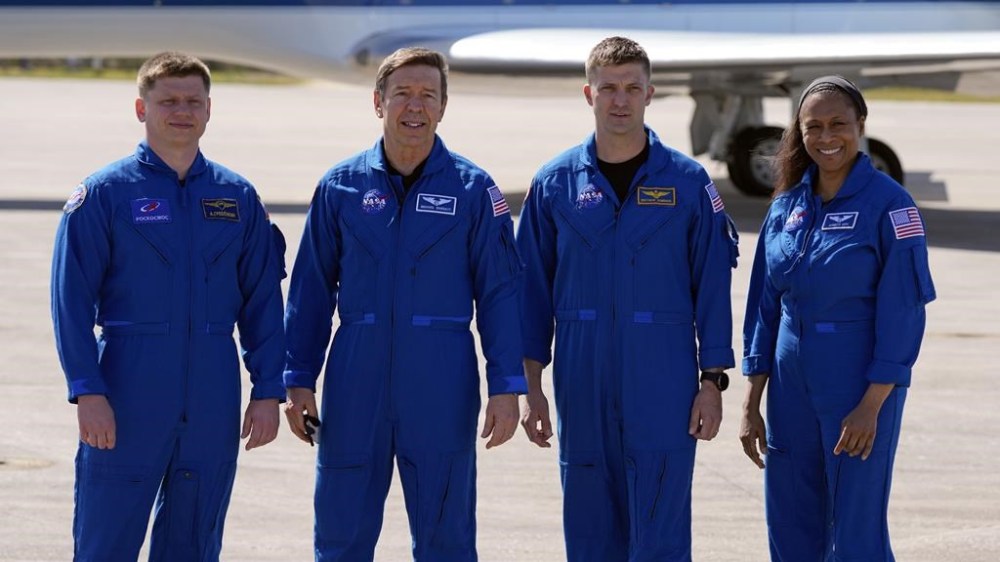
CAPE CANAVERAL, Fla. (AP) — Four astronauts headed to the International Space Station on Sunday where they will oversee the arrivals of two new rocketships during their half-year stint.
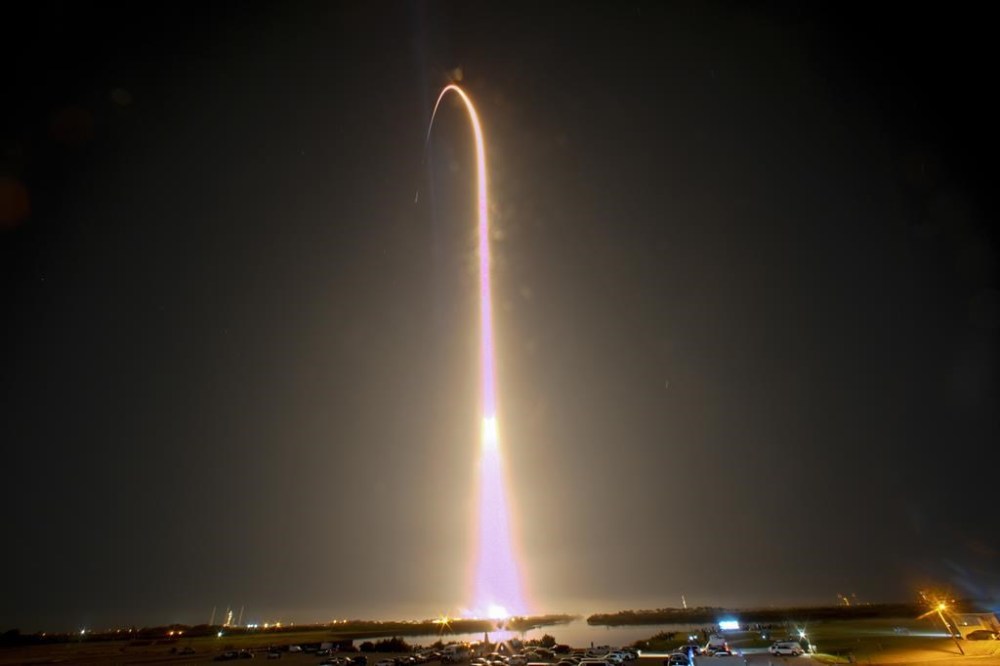
SpaceX’s Falcon rocket blasted off from Kennedy Space Center, carrying NASA’s Matthew Dominick, Michael Barratt and Jeanette Epps and Russia’s Alexander Grebenkin.
The astronauts should reach the orbiting lab on Tuesday. They will replace a crew from the U.S., Denmark, Japan and Russia, who have been there since August.
“When are you getting here already?” space station commander Andreas Mogensen asked via X, formerly Twitter, after three days of delay due to high wind. SpaceX Launch Control termed it “fashionably late.”
There was almost another postponement Sunday night. A small crack in the seal of the SpaceX capsule’s hatch prompted a last-minute flurry of reviews, but it was deemed safe for the whole mission.
The new crew’s six-month stay includes the arrival of two rocketships ordered by NASA. Boeing’s new Starliner capsule with test pilots is due in late April. A month or two later, Sierra Space’s Dream Chaser, a mini shuttle, should arrive. It is for delivering cargo to the station, but not passengers yet.
Epps was originally assigned to fly Boeing’s Starliner, which got bogged down with problems and stalled. NASA finally switched her to SpaceX.
“I am in a New York state of mind right now, it is amazing,” she said upon reaching orbit, referring to the Billy Joel song.
Epps, who is from Syracuse, N.Y., is the second Black woman assigned to a long station mission. She said before the flight that she is especially proud to be a role model for Black girls, demonstrating that spaceflight “is an option for them, that this is not just for other people.”
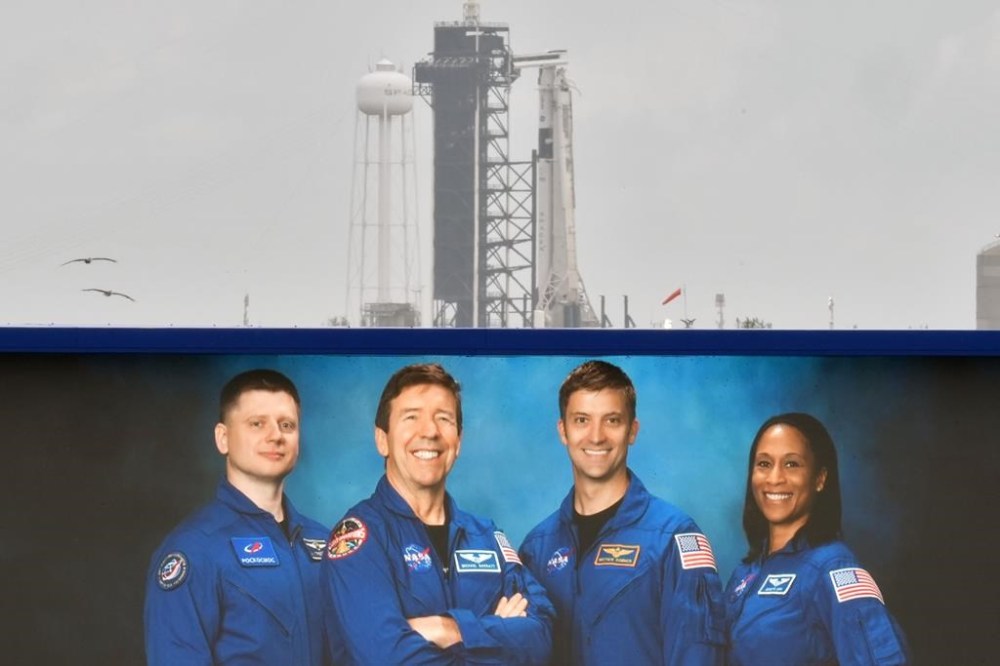
An engineer, she worked for Ford Motor Co. and the CIA before becoming an astronaut in 2009. Epps should have launched to the space station on a Russian rocket in 2018, but was replaced for reasons never publicly disclosed.
Also new to space are Dominick, a Navy pilot, and Grebenkin, a former Russian military officer.
Barratt, a doctor on his third mission, is the oldest full-time astronaut to fly in space. He turns 65 in April.
“It’s kind of like a roller coaster ride with a bunch of really excited teenagers,” Barratt said after reaching orbit. As for his age, he said before the flight, “As long as we stay healthy and fit and engaged, we’re good to fly.”
Flight controllers are monitoring a growing cabin leak on Russia’s side of the space station. The leak has doubled in size in the past few weeks and the area has been sealed off, NASA program manager Joel Montalbano said. He stressed there is no impact to station operations or crew safety.
___
The Associated Press Health and Science Department receives support from the Howard Hughes Medical Institute’s Science and Educational Media Group. The AP is solely responsible for all content.