Consciousness a ‘realistic possibility’ in birds, fish, squid and bees, scholars say
Advertisement
Read this article for free:
or
Already have an account? Log in here »
To continue reading, please subscribe:

Digital Subscription
One year of digital access for only $205*
- Enjoy unlimited reading on winnipegfreepress.com
- Read the E-Edition, our digital replica newspaper
- Access News Break, our award-winning app
- Play interactive puzzles
*First annual payment billed as $205.00 + GST for one year. This annual subscription will automatically renew at $233.00 + GST every 52 weeks (10% off the regular annual price of $259.35). Offer available to new and qualified returning subscribers only. Cancel any time.
To continue reading, please subscribe:
Add Free Press access to your Brandon Sun subscription for only an additional
$1 for the first 4 weeks*
- Enjoy unlimited reading on winnipegfreepress.com
- Read the E-Edition, our digital replica newspaper
- Access News Break, our award-winning app
- Play interactive puzzles
*Your next Brandon Sun subscription payment will increase by $1.00 and you will be charged $17.95 plus GST for four weeks. After four weeks, your payment will increase to $24.95 plus GST every four weeks.
Read unlimited articles for free today:
or
Already have an account? Log in here »
Hey there, time traveller!
This article was published 22/04/2024 (877 days ago), so information in it may no longer be current.
ST. JOHN’S, N.L. – Scientists and philosophers across the globe agree it is reasonable to assume the vast majority of creatures on Earth are sentient in some way — including lobster, squid and the tiny flies that swarm over drinks left outside in the summer.
The New York Declaration on Animal Consciousness, released Friday, was signed by 39 cognition scholars at universities from Canada to Australia. It says there is “at least a realistic possibility” that all vertebrates and many invertebrates have conscious experience.
The declaration rests on recent scientific studies that show garter snakes can recognize their own scent, crows can report what they see, octopi can avoid pain and fruit flies can sleep — and they sleep best when they’re with other fruit flies.
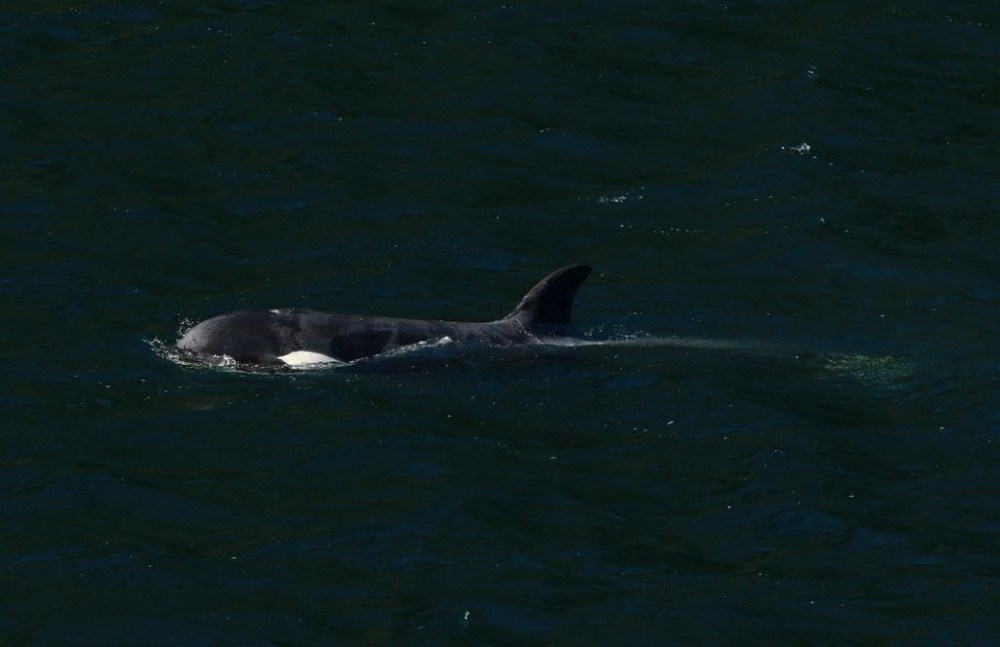
“We’re not saying that these animals are having internal monologues,” said Noam Miller, an associate professor of biology and psychology who runs the Collective Cognition Lab at Wilfrid Laurier University.
“What we’re addressing here is a very simple level (of cognition): the ability to feel something, the ability to have an internal experience.”
There is no accepted definition of consciousness, nor a specific test that can identify it; therefore, there is no real way to scientifically determine that anything — even a person — has consciousness, Miller said in an interview.
But there are many accepted “behavioural markers” of consciousness that can be rigorously and scientifically tested, such as decision making or pain aversion, he said. Scientists have recently started running those tests on simple creatures, like bees, crayfish and lobsters, and they’ve come up with stunning results.
A 2022 study showed bumblebees will roll tiny wooden balls around for no other reason than they seem to enjoy it. Crayfish exhibit “anxious” behaviour, which changed if they were given benzodiazepines, according to studies published between 2014 and 2017. And in 2019, scientists found that cleaner wrasse fish in front of a mirror seem to recognize an unfamiliar mark on their body and will try to get it off.
The declaration released Friday assembles that research, which shows these creatures exhibit behavioural markers of consciousness and concludes that because they have these markers, it’s reasonable to assume they have consciousness, Miller said. The declaration challenges people — including other scientists — to stop assuming these animals are insentient, or incapable of feeling.
“We’re talking about shifting what our initial assumption is, rather than making any kind of definitive statement one way or the other,” he said.
As an example, Kristin Andrews, a philosophy professor at York University, says scientific evidence supports the assumption that it “feels like something” for a fish to be caught on a hook.
When it is reasonable to assume that an animal has consciousness or feeling, it is reasonable to treat it accordingly, perhaps by adopting harvesting methods that kill fish quickly or by abandoning the practice of boiling lobsters alive, Andrews said in an interview.
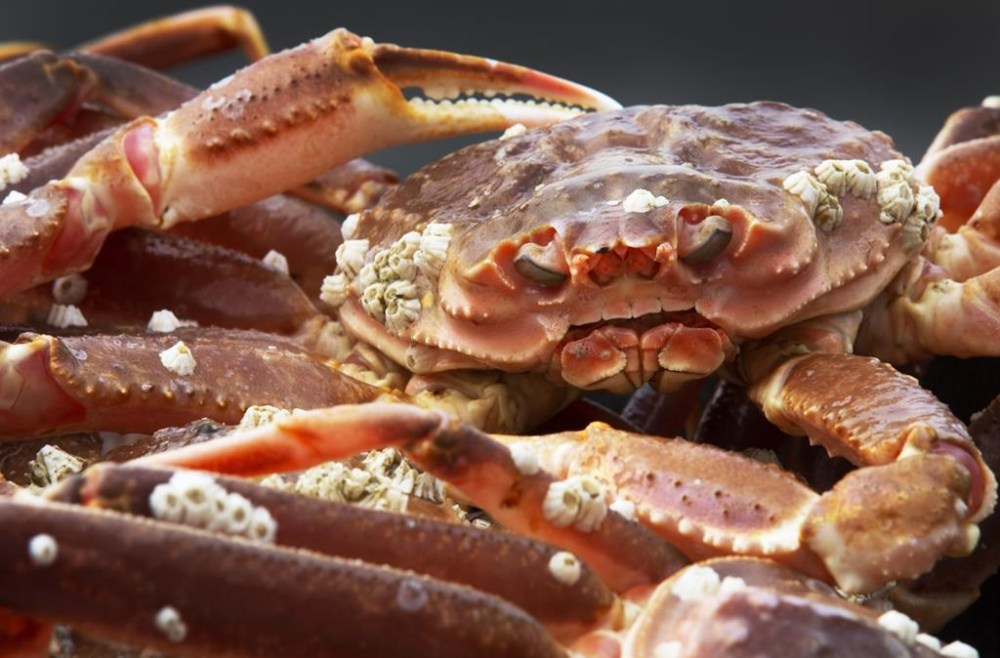
Someone may even think twice before squishing an ant that isn’t bothering them, she added.

“It doesn’t mean that you can’t kill them, it doesn’t mean that you can’t eat them, right?” she said. “It just means that we’re going to treat them as if they could potentially feel pain, and we’re going to minimize the pain that they experience.”
Andrews was one of three main organizers of the declaration, which she described as a “huge deal.” The recognition that so many creatures have feeling offers everyone the possibility of a wider, deeper connection to the natural around them, she said.
And a better understanding of sentience in crayfish or crabs could help scholars understand consciousness in more complex animals, such as humans.
If insects or other simpler animals have consciousness, “then we have an example of a model organism that’s not as elaborated as humans, and that might not distract us with things like language,” she said. “And we might actually be able to uncover the very nature of consciousness, once we’ve acknowledged that these animals might be conscious.”
This report by The Canadian Press was first published April 22, 2024.