Yes, some animals can have babies without a mate. Here’s how
Advertisement
Read this article for free:
or
Already have an account? Log in here »
To continue reading, please subscribe:

Digital Subscription
One year of digital access for only $205*
- Enjoy unlimited reading on winnipegfreepress.com
- Read the E-Edition, our digital replica newspaper
- Access News Break, our award-winning app
- Play interactive puzzles
*First annual payment billed as $205.00 + GST for one year. This annual subscription will automatically renew at $233.00 + GST every 52 weeks (10% off the regular annual price of $259.35). Offer available to new and qualified returning subscribers only. Cancel any time.
To continue reading, please subscribe:
Add Free Press access to your Brandon Sun subscription for only an additional
$1 for the first 4 weeks*
- Enjoy unlimited reading on winnipegfreepress.com
- Read the E-Edition, our digital replica newspaper
- Access News Break, our award-winning app
- Play interactive puzzles
*Your next Brandon Sun subscription payment will increase by $1.00 and you will be charged $17.95 plus GST for four weeks. After four weeks, your payment will increase to $24.95 plus GST every four weeks.
Read unlimited articles for free today:
or
Already have an account? Log in here »
Hey there, time traveller!
This article was published 03/07/2024 (773 days ago), so information in it may no longer be current.
A boa constrictor in the U.K. gave birth to 14 babies — without a mate.
Is it a miracle? The result of a secret rendezvous? Probably not. Females of species have the ability to reproduce asexually, without sperm from a male. The process is called parthenogenesis, from the Greek words for “virgin” and “birth.”
Some plants and insects can do it, as well as some amphibians, reptiles, birds and fish. A stingray named Charlotte that was thought to have become pregnant by this method died this week at an aquarium in North Carolina, though she never delivered and it is unclear if she was ever pregnant.
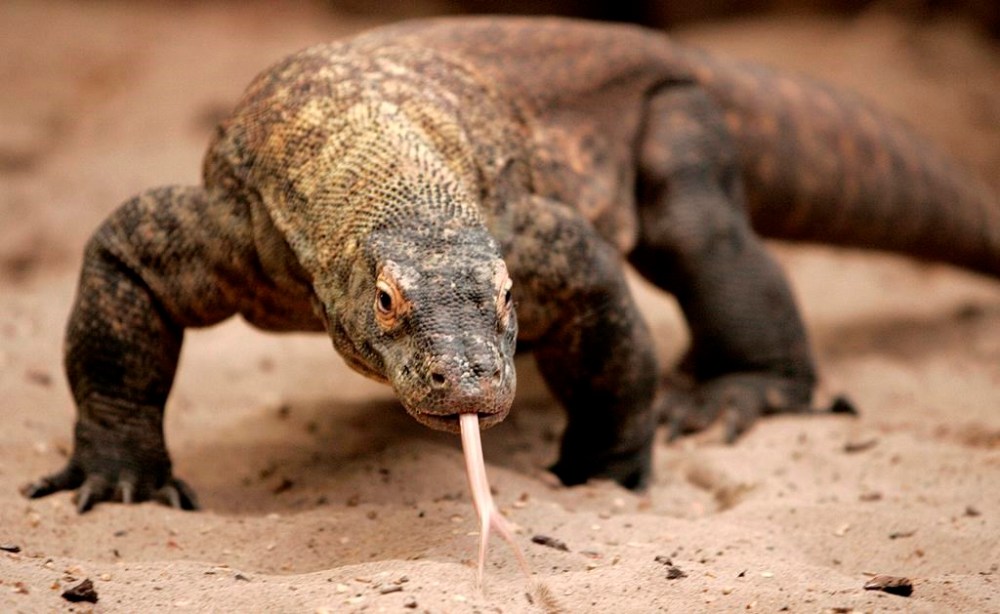
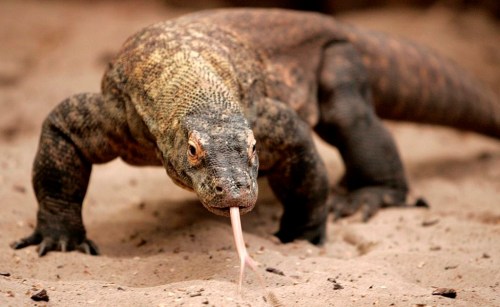
Some wasps, crustaceans and lizards reproduce only through parthenogenesis. But in other species it’s rare and usually only observed in captivity. Scientists have a good idea how it happens, though they aren’t clear why it happens, according to Kady Lyons, a research scientist at the Georgia Aquarium in Atlanta.
A female’s egg fuses with another cell, often a cell leftover from a process that allows the female to create the egg. That cell, known as a polar body, gives the egg the genetic information it would normally get from sperm. The cell starts dividing and that leads to the creation of an embryo.
The snake, a 6-foot, 13-year-old Brazilian Rainbow Boa named Ronaldo, gave birth last week after having no contact with any other snakes for at least nine years, according to the City of Portsmouth College, which kept the snake.

___
The Associated Press Health and Science Department receives support from the Howard Hughes Medical Institute’s Science and Educational Media Group. The AP is solely responsible for all content.