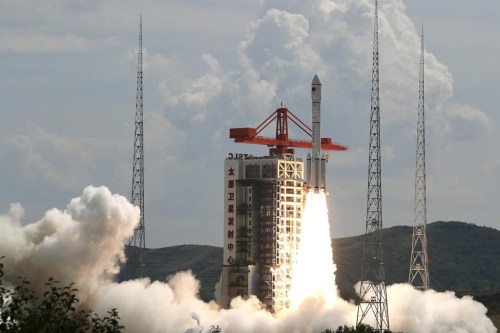
China launches rocket carrying new constellation of satellites
Advertisement
Read this article for free:
or
Already have an account? Log in here »
To continue reading, please subscribe:

Digital Subscription
One year of digital access for only $205*
- Enjoy unlimited reading on winnipegfreepress.com
- Read the E-Edition, our digital replica newspaper
- Access News Break, our award-winning app
- Play interactive puzzles
*First annual payment billed as $205.00 + GST for one year. This annual subscription will automatically renew at $233.00 + GST every 52 weeks (10% off the regular annual price of $259.35). Offer available to new and qualified returning subscribers only. Cancel any time.
To continue reading, please subscribe:
Add Free Press access to your Brandon Sun subscription for only an additional
$1 for the first 4 weeks*
- Enjoy unlimited reading on winnipegfreepress.com
- Read the E-Edition, our digital replica newspaper
- Access News Break, our award-winning app
- Play interactive puzzles
*Your next Brandon Sun subscription payment will increase by $1.00 and you will be charged $17.95 plus GST for four weeks. After four weeks, your payment will increase to $24.95 plus GST every four weeks.
Read unlimited articles for free today:
or
Already have an account? Log in here »
Hey there, time traveller!
This article was published 06/08/2024 (761 days ago), so information in it may no longer be current.
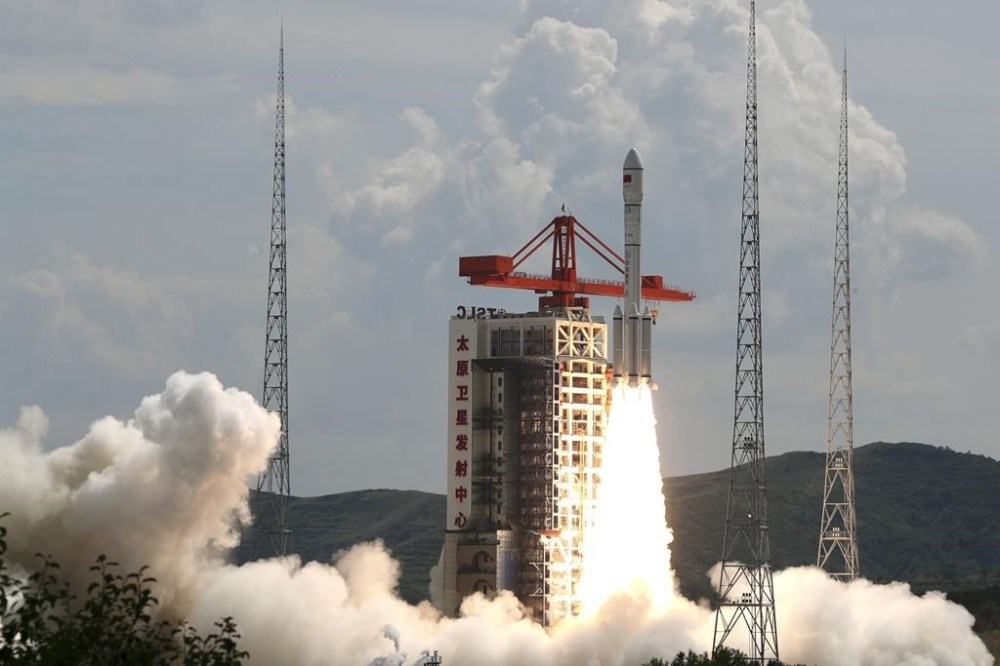
TAIPEI, Taiwan (AP) — China says it launched a rocket Tuesday carrying a constellation of a reported 18 satellites as part of efforts to assert its presence in space.
The satellites were carried aboard a Long March-6 carrier rocket from the Taiyuan Satellite Launch Center in north China’s Shanxi Province early on Tuesday afternoon.
The official Xinhua News Agency said the rocket had reached its pre-programmed orbit without incident.
China’s space program has launched numerous crewed missions, put a space station into orbit with a revolving crew of three astronauts aboard and sent a rover to the Moon that has brought back rocks and soil.
It has also launched the Beidou System of satellites for national security, communications and scientific purposes, seen as an alternative — or possible competitor — to the GPS system widely used for navigation that is mainly helmed by China’s strategic rival, the United States.