California announces new deal with tech to fund journalism, AI research
Advertisement
Read this article for free:
or
Already have an account? Log in here »
To continue reading, please subscribe:

Digital Subscription
One year of digital access for only $205*
- Enjoy unlimited reading on winnipegfreepress.com
- Read the E-Edition, our digital replica newspaper
- Access News Break, our award-winning app
- Play interactive puzzles
*First annual payment billed as $205.00 + GST for one year. This annual subscription will automatically renew at $233.00 + GST every 52 weeks (10% off the regular annual price of $259.35). Offer available to new and qualified returning subscribers only. Cancel any time.
To continue reading, please subscribe:
Add Free Press access to your Brandon Sun subscription for only an additional
$1 for the first 4 weeks*
- Enjoy unlimited reading on winnipegfreepress.com
- Read the E-Edition, our digital replica newspaper
- Access News Break, our award-winning app
- Play interactive puzzles
*Your next Brandon Sun subscription payment will increase by $1.00 and you will be charged $17.95 plus GST for four weeks. After four weeks, your payment will increase to $24.95 plus GST every four weeks.
Read unlimited articles for free today:
or
Already have an account? Log in here »
Hey there, time traveller!
This article was published 21/08/2024 (786 days ago), so information in it may no longer be current.
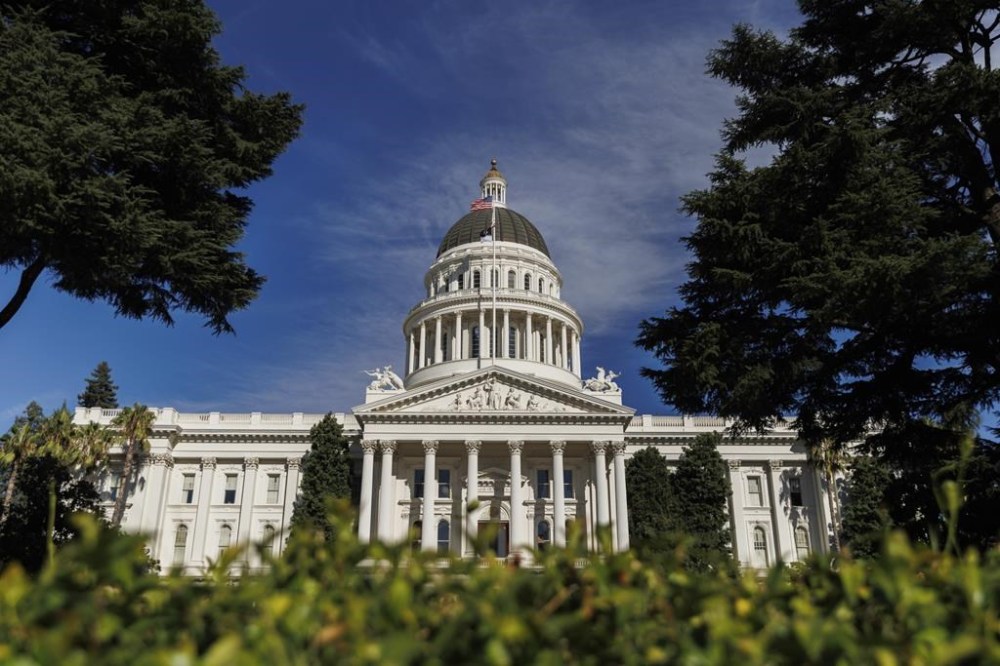
SACRAMENTO, Calif. (AP) — California will be the first U.S. state to direct millions of dollars from taxpayer money and tech companies to help pay for journalism and AI research under a new deal announced Wednesday.
Under the first-in-the-nation agreement, the state and tech companies would collectively pay roughly $250 million over five years to support California-based news organization and create an AI research program. The initiatives are set to kick in in 2025 with $100 million the first year, and the majority of the money would go to news organizations, said Democratic Assemblymember Buffy Wicks, who brokered the deal.
“This agreement represents a major breakthrough in ensuring the survival of newsrooms and bolstering local journalism across California — leveraging substantial tech industry resources without imposing new taxes on Californians,” Gov. Gavin Newsom said in a statement. “The deal not only provides funding to support hundreds of new journalists but helps rebuild a robust and dynamic California press corps for years to come, reinforcing the vital role of journalism in our democracy.”
Wicks’ office didn’t immediately answer questions about specifics on how much funding would come from the state, which news organizations would be eligible and how much money would go to the AI research program.
The deal effectively marks the end of a yearlong fight between tech giants and lawmakers over Wicks’ proposal to require companies like Google, Facebook and Microsoft to pay a certain percentage of advertising revenue to media companies for linking to their content.
The bill, modelled after a legislation in Canada aiming at providing financial help to local news organizations, faced intense backlash from the tech industry, which launched ads over the summer to attack the bill. Google also tried to pressure lawmakers to drop the bill by temporarily removing news websites from some people’s search results in April.
“This partnership represents a cross-sector commitment to supporting a free and vibrant press, empowering local news outlets up and down the state to continue in their essential work,” Wicks said in a statement. “This is just the beginning.”

California has tried different ways to stop the loss of journalism jobs, which have been disappearing rapidly as legacy media companies have struggled to profit in the digital age. More than 2,500 newspapers have closed in the U.S. since 2005, according to Northwestern University’s Medill School of Journalism. California has lost more than 100 news organizations in the past decade, according to Wicks’ office.
The Wednesday agreement is supported by California News Publishers Association, which represents more than 700 news organizations, Google’s corporate parent Alphabet and OpenAI. But journalists, including those in Media Guild of the West, slammed the deal and said it would hurt California news organizations.
State Sen. Steve Glazer, who authored a bill to provide news organizations a tax credit for hiring full-time journalists, said the agreement “seriously undercuts our work toward a long term solution to rescue independent journalism.”
State Senate President Pro Tempore Mike McGuire also said the deal doesn’t go far enough to address the dire situation in California.
“Newsrooms have been hollowed out across this state while tech platforms have seen multi-billion dollar profits,” he said in a statement. “We have concerns that this proposal lacks sufficient funding for newspapers and local media, and doesn’t fully address the inequities facing the industry.”