Trump’s executive order gives TikTok a reprieve. What happens next?
Advertisement
Read this article for free:
or
Already have an account? Log in here »
To continue reading, please subscribe:

Digital Subscription
One year of digital access for only $205*
- Enjoy unlimited reading on winnipegfreepress.com
- Read the E-Edition, our digital replica newspaper
- Access News Break, our award-winning app
- Play interactive puzzles
*First annual payment billed as $205.00 + GST for one year. This annual subscription will automatically renew at $233.00 + GST every 52 weeks (10% off the regular annual price of $259.35). Offer available to new and qualified returning subscribers only. Cancel any time.
To continue reading, please subscribe:
Add Free Press access to your Brandon Sun subscription for only an additional
$1 for the first 4 weeks*
- Enjoy unlimited reading on winnipegfreepress.com
- Read the E-Edition, our digital replica newspaper
- Access News Break, our award-winning app
- Play interactive puzzles
*Your next Brandon Sun subscription payment will increase by $1.00 and you will be charged $17.95 plus GST for four weeks. After four weeks, your payment will increase to $24.95 plus GST every four weeks.
Read unlimited articles for free today:
or
Already have an account? Log in here »
Hey there, time traveller!
This article was published 21/01/2025 (603 days ago), so information in it may no longer be current.
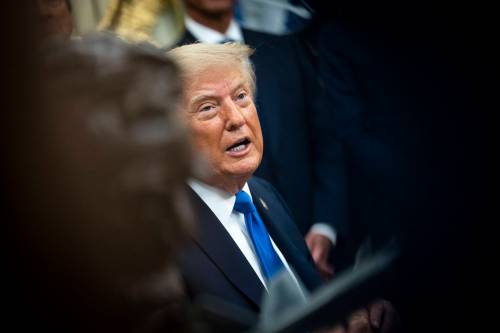
President Donald Trump has directed his Justice Department to pause enforcement of the TikTok ban until early April, but a host of questions remain – including whether Trump has the authority to issue such an order and if TikTok’s China-based parent would be amenable to selling the popular social media platform.
In an executive order signed on Monday, Trump instructed the U.S. attorney general to not enforce the ban for 75 days while his administration determines “the appropriate course forward in an orderly way that protects national security while avoiding an abrupt shutdown” of TikTok.
Under a federal law that was upheld by the Supreme Court last week, TikTok’s parent company ByteDance was required to sell the platform to an approved buyer by Sunday or face a nationwide ban. On Saturday evening, a few hours before the ban took effect, TikTok became unusable for U.S. users. But it came back online on Sunday, with TikTok crediting Trump for helping the platform after he vowed on social media to stall the ban.
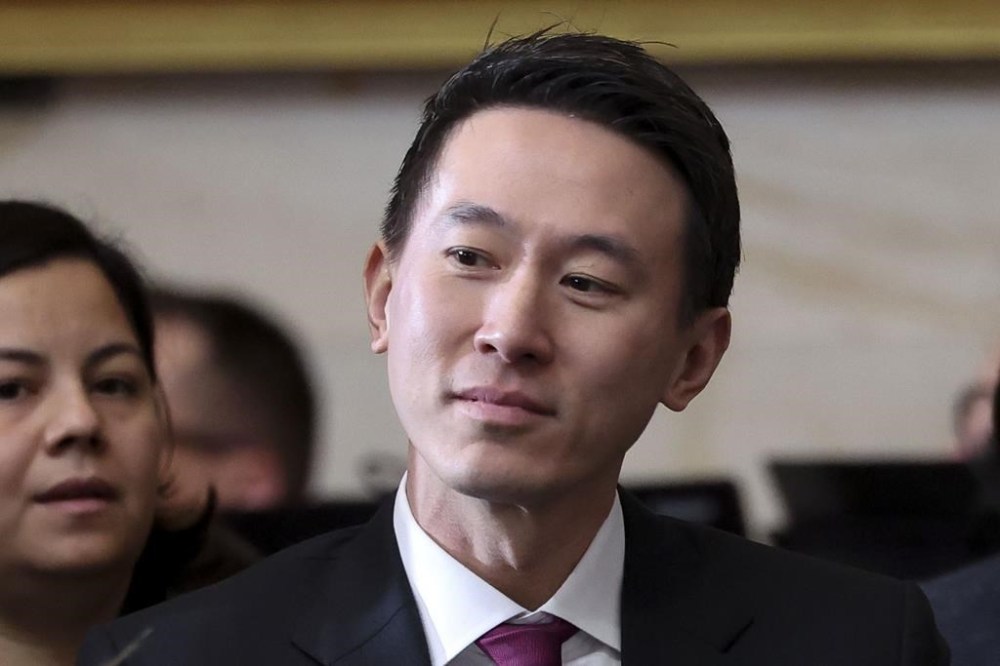
The federal law, passed with bipartisan support in Congress last year, provides a 90-day extension if progress has been made toward a sale. But Trump’s executive order now complicates matters for companies who could be liable for delivering TikTok’s service to U.S. users.
Some — at least as of now — appear to be taking a cautious approach. On Tuesday, Apple and Google, which operate the two most prominent app stores, did not offer TikTok or any other ByteDance-affiliated apps, such as Lemon8 or the video editing app CapCut, on their digital marketplaces.
Here’s what we know:
Can Trump put a pause on the TikTok ban?
The Justice Department is generally tasked with enforcing the laws of the federal government. But Trump does not have the power to overturn a law that Congress passed and subsequently upheld by the Supreme Court.
The law does give the sitting president latitude on certain details, such as what would count as a “qualified divesture” of TikTok. But since an extension on a ban can only occur if “significant progress” has been made towards a sale of TikTok’s U.S. platform, it’s possible that Trump’s order could face legal challenges.
On Tuesday, the Electronic Frontier Foundation, a digital rights organization that filed amicus briefs in support of TikTok’s legal challenge against the statute, said it believed it would be “unconstitutional” to ignore the law.
“There are no winners here, unless Congress repeals this law,” David Greene, the organization’s Civil Liberties Director, said in a statement.
On Sunday, Sen. Tom Cotton of Arkansas posted a message on X listing a number of state and federal agencies, and private entities, that might be willing to go to court to get the ban enforced. However, it’s unclear if anyone is planning to challenge Trump’s order.
The order also warns possible challengers that because of “the national security interests at stake,” attempts by parties to enforce the law “represents an encroachment on the powers” of the executive branch.
Is TikTok going to be sold?
Even if an extension faces and fails to withstand legal scrutiny, it will buy time for ByteDance and TikTok to figure out their next move.
Trump on Monday said he is looking to have the U.S. government broker a deal for 50% control of TikTok, adding that “every rich person” has called him about acquiring the social media platform.
A day prior, he proposed terms in which the U.S. would have a 50% stake “in a joint venture” that would be “set up between the U.S. and whichever purchase we so choose.” But the details remain murky, and it was unclear whether Trump was proposing control of the app by the government or another U.S. entity.
According to TikTok, roughly 60% of the privately-held ByteDance is owned by global investors, such as General Atlantic and Susquehanna International Group. ByteDance employees and the company’s founder, Zhang Yiming, also each have a 20% stake.
The technology company has not disclosed financial details for its subsidiaries, including TikTok’s global or U.S. operation.
Even if an American company can acquire a 50% stake in TikTok, it’s unclear how a Trump-orchestrated transaction would address some of the national security concerns that led lawmakers and the Biden administration to push for a divestment.
For example, Trump has not addressed whether he will allow ByteDance to keep controlling the TikTok algorithm that fuels what users see on the platform. The algorithm, which is updated and maintained by ByteDance engineers in China, has been one of the main concerns among supporters of the law.
Trump’s executive order notes the administration must have a review period to assess government intelligence and the steps TikTok has taken to address Washington’s concerns.
What happens next?
Most likely, lots of negotiations about the future of TikTok.
Last year, Beijing called the push in Washington to require a divestment of TikTok a “robbers” act. But on Monday, China signaled a possible softening of its stance.
Chinese Foreign Ministry spokeswoman Mao Ning said that business operations and acquisitions “should be independently decided by companies in accordance with market principles.”
“If it involves Chinese companies, China’s laws and regulations should be observed,” Mao said on Monday.
Trump has threatened to slap tariffs as high as 100% on Chinese goods if Beijing refuses to allow a sale of TikTok. If China doesn’t approve the deal, Trump said on Monday he would consider it somewhat of a “hostile act.”
After the law was passed last year, ByteDance said it did not have any plans to sell TikTok and then fought a legal battle against the statute for months. Representatives for the company and TikTok did not immediately respond Tuesday on whether they are willing to cut ties with each other within the new 75-day extension period.
In a note, Gabriel Wildau, a managing director of the Teneo consultancy, wrote that if amicable negotiations happen, Beijing might ultimately approve the export of TikTok’s algorithm. However, a sale that excludes that technology might be more feasible legally and technically, Wildau wrote. Previously, Teneo had made a case that Beijing would not allow ByteDance to sell TikTok because of its concern for national dignity.

“This is all a game of high-stakes poker,” said Wedbush analyst Dan Ives. “TikTok is a chip on the table in broader U.S.-China negotiations.”
On Tuesday, Trump was asked whether he’s installed the app on his phone. The U.S. government has banned it from federal devices due to concerns it could lead to spying by Chinese intelligence agencies.
“No but I think I might put it there,” said Trump, who credits the platform with helping him win more youth votes during last year’s presidential election. During his first term, he tried to ban TikTok, calling it a national security threat.
_________________________
Associated Press writer Didi Tang contributed to this story.
Related Articles
From backing a ban to being hailed as a savior: Inside Trump's TikTok shift




Advertisement Advertise With Us
Advertisement Advertise With Us