When heavy rainfall threatens flooding, you can protect yourself. Here’s how
Advertisement
Read this article for free:
or
Already have an account? Log in here »
To continue reading, please subscribe:

Digital Subscription
One year of digital access for only $205*
- Enjoy unlimited reading on winnipegfreepress.com
- Read the E-Edition, our digital replica newspaper
- Access News Break, our award-winning app
- Play interactive puzzles
*First annual payment billed as $205.00 + GST for one year. This annual subscription will automatically renew at $233.00 + GST every 52 weeks (10% off the regular annual price of $259.35). Offer available to new and qualified returning subscribers only. Cancel any time.
To continue reading, please subscribe:
Add Free Press access to your Brandon Sun subscription for only an additional
$1 for the first 4 weeks*
- Enjoy unlimited reading on winnipegfreepress.com
- Read the E-Edition, our digital replica newspaper
- Access News Break, our award-winning app
- Play interactive puzzles
*Your next Brandon Sun subscription payment will increase by $1.00 and you will be charged $17.95 plus GST for four weeks. After four weeks, your payment will increase to $24.95 plus GST every four weeks.
Read unlimited articles for free today:
or
Already have an account? Log in here »
Hey there, time traveller!
This article was published 03/04/2025 (552 days ago), so information in it may no longer be current.
Extreme weather is dangerous weather, and that’s particularly true for the heavy rainfall events that experts say are becoming more frequent with climate change. The powerful storms can pose threats ranging from falling limbs to downed power lines to drowning.
Experts say disaster preparation and good planning can help protect lives and property.
What should you do if you face record rainfall?
Long before extreme weather happens, it’s important to consider whether your home meets building codes, and to know what your insurance covers, experts say. This is the time to address any shortcomings.
Once storms draw near, stay informed by signing up for real-time city, county and federal weather alerts, and listen to the news and whatever your local officials are saying. You can take simple steps to help protect your property, such as ensuring that gutters, storm drains and stormwater systems are clear and ready to do their part in carrying off heavy rain.
If using sandbags to protect property, make sure they’re properly made and stacked to keep water out.
Should you try to evacuate or stay put?
If there are local orders to evacuate, you need to heed them. Gather important documents, get enough gas to drive out and prepare to be away for an extended period of time, said Jeannette Sutton, associate professor at the University at Albany. People need to err on the side of caution, she said.
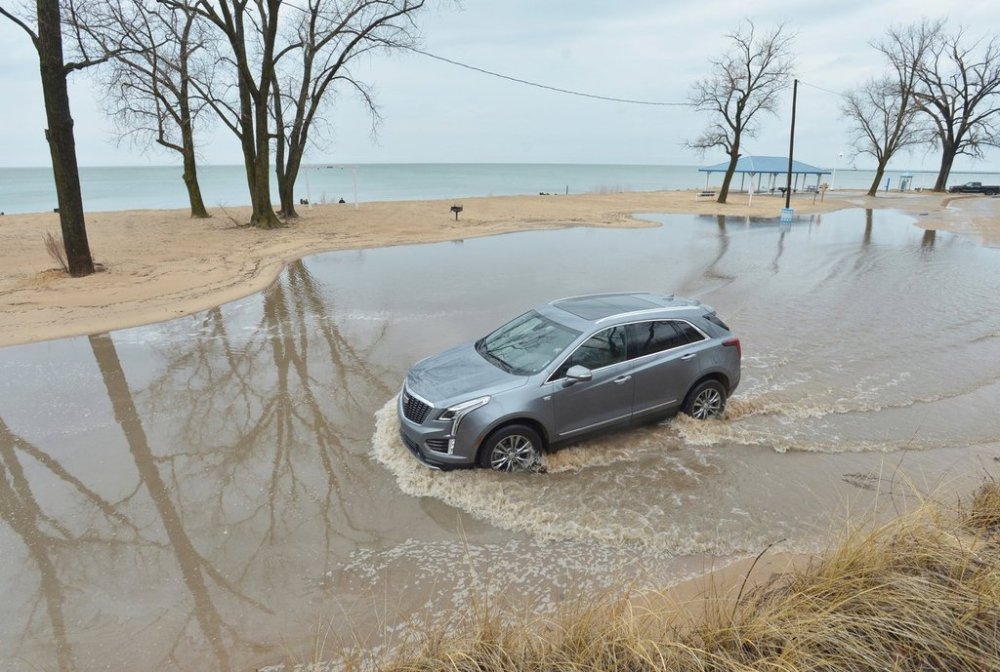
As major storms move in, there often comes a point when leaving is more hazardous than staying put. One major danger involves flooded roadways. Drivers who attempt to push through them can be swept away by water that is deeper than it appeared and stronger than thought.
How can you prepare your home and belongings?
Moving keepsakes, furniture and valuables to upper levels and making sure sump pump batteries are fully charged are shorter-term ways to prepare, along with ensuring there’s enough food, water and medical supplies.
Cars can be protected by getting them into a parking structure with upper levels.
Experts also say use common sense in planning: Don’t keep your backup generators in a basement where they can be ruined by flooding, for instance.
What can you do once a disaster has started?
If you aren’t able to prepare for floods in time, you should move to the highest level of your home, experts say, or seek out a safe shelter.
If high winds and tornadoes are a threat, however, it could be dangerous to be too high up. That’s why checking forecasts is critical.
___
Alexa St. John is an Associated Press climate reporter. Follow her on X: @alexa_stjohn. Reach her at ast.john@ap.org.
Related Articles
What you do before and during a tornado could mean the difference between life and death
Advertisement Advertise With Us
Advertisement Advertise With Us