La Nina exits after three weak months, leaving Earth in neutral climate state
Advertisement
Read this article for free:
or
Already have an account? Log in here »
To continue reading, please subscribe:

Digital Subscription
One year of digital access for only $205*
- Enjoy unlimited reading on winnipegfreepress.com
- Read the E-Edition, our digital replica newspaper
- Access News Break, our award-winning app
- Play interactive puzzles
*First annual payment billed as $205.00 + GST for one year. This annual subscription will automatically renew at $233.00 + GST every 52 weeks (10% off the regular annual price of $259.35). Offer available to new and qualified returning subscribers only. Cancel any time.
To continue reading, please subscribe:
Add Free Press access to your Brandon Sun subscription for only an additional
$1 for the first 4 weeks*
- Enjoy unlimited reading on winnipegfreepress.com
- Read the E-Edition, our digital replica newspaper
- Access News Break, our award-winning app
- Play interactive puzzles
*Your next Brandon Sun subscription payment will increase by $1.00 and you will be charged $17.95 plus GST for four weeks. After four weeks, your payment will increase to $24.95 plus GST every four weeks.
Read unlimited articles for free today:
or
Already have an account? Log in here »
Hey there, time traveller!
This article was published 10/04/2025 (489 days ago), so information in it may no longer be current.
WASHINGTON (AP) — See you later La Nina, we hardly knew you.
La Nina, the natural cooling flip side of the better known and warmer El Nino climate phenomenon, has dwindled away after just three months. The La Nina that appeared in January, months later than forecast, was a weak one, the National Oceanic and Atmospheric Administration said Thursday.
Earth is now in a neutral setting in the El Nino Southern Oscillation cycle, which is generally the most benign of the three states that help influence hurricane formation, droughts, floods and global temperatures. NOAA forecasts the neutral setting to last most if not all of 2025. That makes longer-term weather forecasts a bit trickier because one of the major factors is not pushing one way or the other.
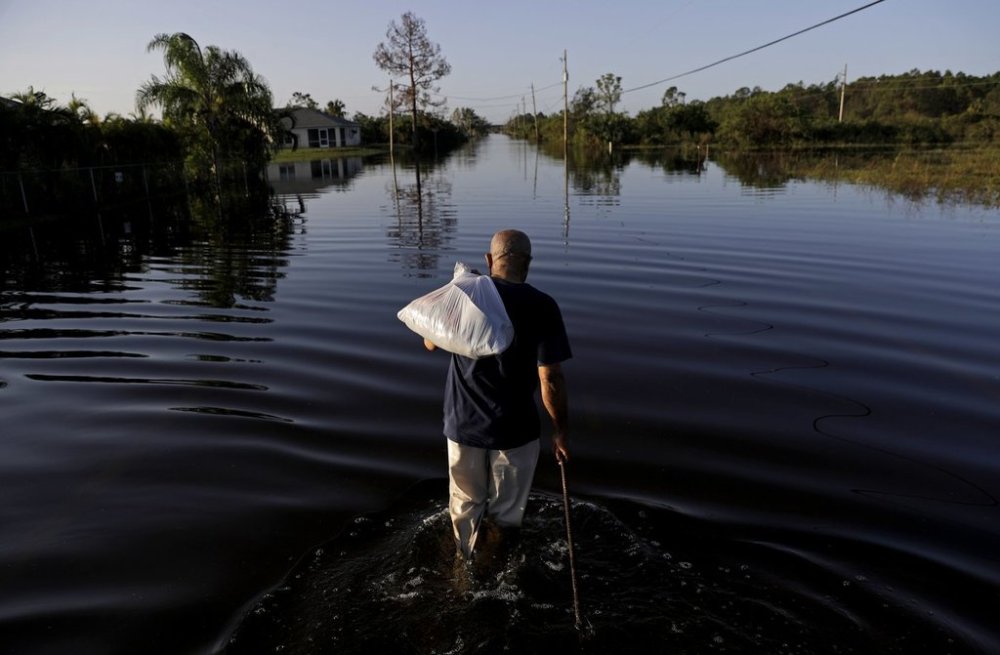
La Nina is an irregular rising of unusually cold water in a key part of the central equatorial Pacific that changes weather patterns worldwide. It typically brings more Atlantic hurricanes in the summer, but it won’t be a factor this year. In the United States, La Ninas tend to cause drier weather in the South and West and often make it wetter in parts of Indonesia, northern Australia and southern Africa.
Studies have found that La Ninas tend to be costlier than El Ninos and neutral conditions.
Before this three-month La Nina, the world had an unusually long three-year La Nina that ended in 2023.

___
The Associated Press’ climate and environmental coverage receives financial support from multiple private foundations. AP is solely responsible for all content. Find AP’s standards for working with philanthropies, a list of supporters and funded coverage areas at AP.org.