

How to catch the Eta Aquarid meteor shower, debris of Halley’s comet
Advertisement
Read this article for free:
or
Already have an account? Log in here »
To continue reading, please subscribe:
Monthly Digital Subscription
$1 per week for 24 weeks*
- Enjoy unlimited reading on winnipegfreepress.com
- Read the E-Edition, our digital replica newspaper
- Access News Break, our award-winning app
- Play interactive puzzles
*Billed as $4.00 plus GST every four weeks. After 24 weeks, price increases to the regular rate of $19.95 plus GST every four weeks. Offer available to new and qualified returning subscribers only. Cancel any time.
Monthly Digital Subscription
$4.99/week*
- Enjoy unlimited reading on winnipegfreepress.com
- Read the E-Edition, our digital replica newspaper
- Access News Break, our award-winning app
- Play interactive puzzles
*Billed as $19.95 plus GST every four weeks. Cancel any time.
To continue reading, please subscribe:
Add Free Press access to your Brandon Sun subscription for only an additional
$1 for the first 4 weeks*
*Your next subscription payment will increase by $1.00 and you will be charged $16.99 plus GST for four weeks. After four weeks, your payment will increase to $23.99 plus GST every four weeks.
Read unlimited articles for free today:
or
Already have an account? Log in here »
Hey there, time traveller!
This article was published 02/05/2025 (328 days ago), so information in it may no longer be current.
Halley’s comet swings near Earth every 75 years. But debris left by the comet leads to two major meteor showers every year including the Eta Aquarids.
When this meteor shower lights up the night sky, “you’ll know that Earth is crossing the path of the most famous comet,” said Shauna Edson of the Smithsonian’s National Air and Space Museum.
The Eta Aquarids are “pretty fast meteors” said NASA’s Bill Cooke.
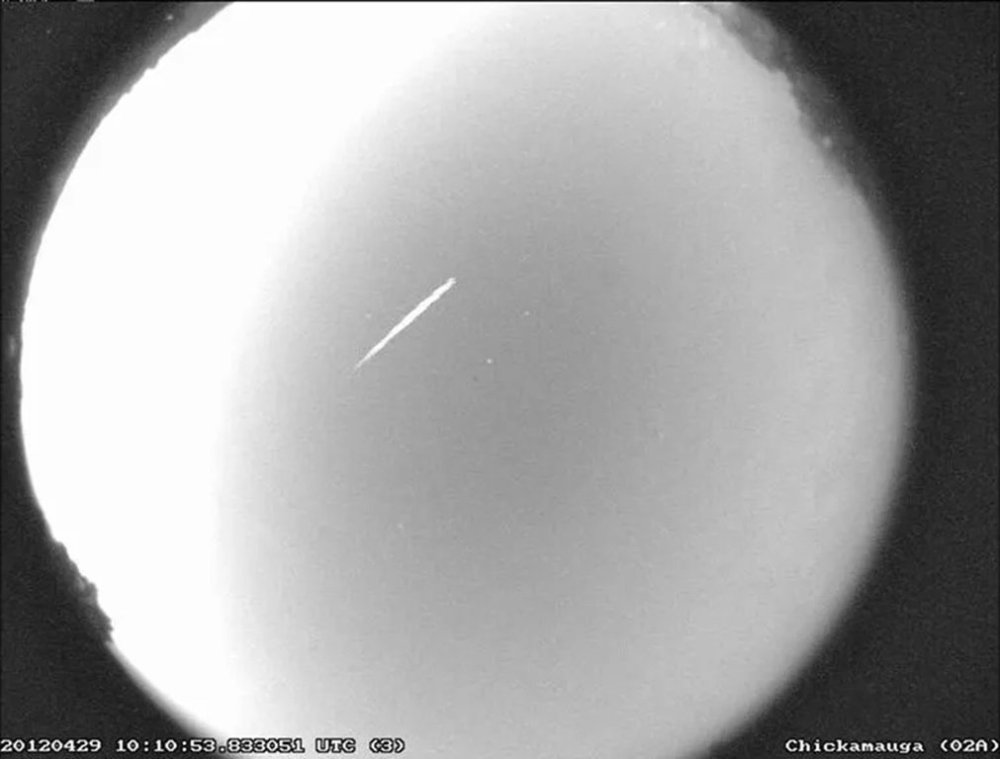
During Tuesday morning’s peak, expect to see 10 to 15 meteors per hour in ideal viewing conditions, said Cooke.
However, the moon will be nearly two-thirds full, which will likely reduce visibility.
Viewing lasts until May 28. Here’s what to know about the Eta Aquarids and other meteor showers.
What is a meteor shower?
As the Earth orbits the sun, several times a year it passes through debris left by passing comets and sometimes asteroids. The source of the Eta Aquarids is debris from Halley’s comet.
When these fast-moving space rocks enter Earth’s atmosphere, the debris encounters new resistance from the air and becomes very hot, eventually burning up.
Sometimes the surrounding air glows briefly, leaving behind a fiery tail — the end of a “shooting star.”
You don’t need special equipment to see the various meteor showers that flash across annually, just a spot away from city lights.
How to view a meteor shower
The best time to watch a meteor shower is in the early predawn hours when the moon is low in the sky.
Competing sources of light — such as a bright moon or artificial glow — are the main obstacles to a clear view of meteors. Cloudless nights when the moon wanes smallest are optimal viewing opportunities.

And keep looking up, not down. Your eyes will be better adapted to spot shooting stars if you aren’t checking your phone.
When is the next meteor shower?
The next major meteor shower, the Southern Delta Aquarids, peaks in late July.
___
The Associated Press Health and Science Department receives support from the Howard Hughes Medical Institute’s Science and Educational Media Group. The AP is solely responsible for all content.