

Harvard researcher charged with trying to smuggle frog embryos to be transferred to Massachusetts
Advertisement
Read this article for free:
or
Already have an account? Log in here »
To continue reading, please subscribe:
Monthly Digital Subscription
$1 per week for 24 weeks*
- Enjoy unlimited reading on winnipegfreepress.com
- Read the E-Edition, our digital replica newspaper
- Access News Break, our award-winning app
- Play interactive puzzles
*Billed as $4.00 plus GST every four weeks. After 24 weeks, price increases to the regular rate of $19.95 plus GST every four weeks. Offer available to new and qualified returning subscribers only. Cancel any time.
Monthly Digital Subscription
$4.99/week*
- Enjoy unlimited reading on winnipegfreepress.com
- Read the E-Edition, our digital replica newspaper
- Access News Break, our award-winning app
- Play interactive puzzles
*Billed as $19.95 plus GST every four weeks. Cancel any time.
To continue reading, please subscribe:
Add Free Press access to your Brandon Sun subscription for only an additional
$1 for the first 4 weeks*
*Your next subscription payment will increase by $1.00 and you will be charged $16.99 plus GST for four weeks. After four weeks, your payment will increase to $23.99 plus GST every four weeks.
Read unlimited articles for free today:
or
Already have an account? Log in here »
Hey there, time traveller!
This article was published 16/05/2025 (316 days ago), so information in it may no longer be current.
MONROE, La. (AP) — A federal judge has ordered the transfer of a Russian-born scientist and Harvard University researcher facing deportation from Louisiana, where she was detained by immigration authorities, to Massachusetts, where she has been charged with trying to smuggle frog embryos.
Kseniia Petrova, 30, has been detained since February and filed a petition seeking her release. She was charged Wednesday with one count of smuggling goods into the United States, shortly after another federal judge had set a hearing date on her petition.
Petrova’s transfer was ordered Thursday. Her lawyer, Gregory Romanovsky, had said he expected that to happen in the next few weeks.
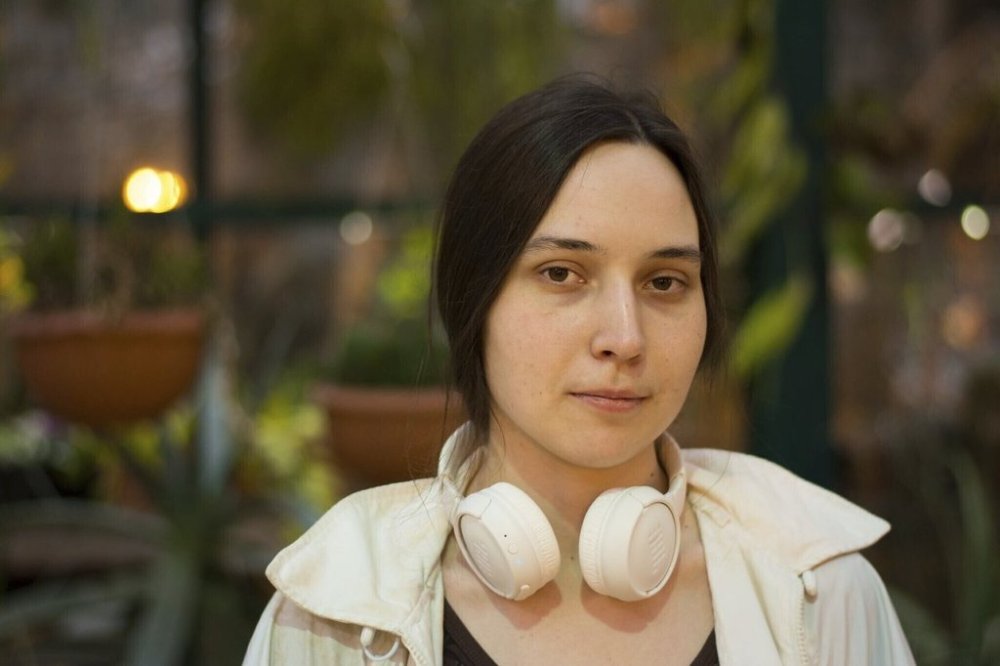
If convicted, Petrova faces a sentence of up to 20 years in prison and a fine of up to $250,000.
Petrova had been vacationing in France, where she stopped at a lab specializing in splicing superfine sections of frog embryos and obtained a package of samples to be used for research.
As she passed through a U.S. Customs and Border Protection checkpoint in Boston Logan International Airport, Petrova was questioned about the samples. Petrova told The Associated Press in an interview last month that she did not realize the items needed to be declared and was not trying to sneak in anything. After an interrogation, Petrova was told her visa was being canceled.
Romanovsky said Customs and Border Protection officials had no legal basis for canceling Kseniia’s visa and detaining her.

The Department of Homeland Security said in a statement on the social platform X that Petrova was detained after “lying to federal officers about carrying substances into the country.” They allege messages on her phone “revealed she planned to smuggle the materials through customs without declaring them.”
Harvard had said in a statement that the university “continues to monitor the situation.”