Apple has had few incentives in the past to start making iPhones in US
Advertisement
Read this article for free:
or
Already have an account? Log in here »
To continue reading, please subscribe:

Digital Subscription
One year of digital access for only $205*
- Enjoy unlimited reading on winnipegfreepress.com
- Read the E-Edition, our digital replica newspaper
- Access News Break, our award-winning app
- Play interactive puzzles
*First annual payment billed as $205.00 + GST for one year. This annual subscription will automatically renew at $233.00 + GST every 52 weeks (10% off the regular annual price of $259.35). Offer available to new and qualified returning subscribers only. Cancel any time.
To continue reading, please subscribe:
Add Free Press access to your Brandon Sun subscription for only an additional
$1 for the first 4 weeks*
- Enjoy unlimited reading on winnipegfreepress.com
- Read the E-Edition, our digital replica newspaper
- Access News Break, our award-winning app
- Play interactive puzzles
*Your next Brandon Sun subscription payment will increase by $1.00 and you will be charged $17.95 plus GST for four weeks. After four weeks, your payment will increase to $24.95 plus GST every four weeks.
Read unlimited articles for free today:
or
Already have an account? Log in here »
Hey there, time traveller!
This article was published 23/05/2025 (480 days ago), so information in it may no longer be current.
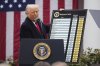
SAN FRANCISCO (AP) — Lashing out at Apple’s plans to make most of its U.S. iPhones in India, President Donald Trump on Friday threatened to slap a 25% tariff on the popular device unless the tech giant starts building the product in its home country — a move that still seems unlikely to happen any time soon, if ever.
Apple for decades has been building most of its devices in China, where it has invested tens of billions of dollars on massive factories that rely on a vast network of local suppliers. The company’s reliance on a crucial pipeline outside the U.S. thrust the technology trendsetter into the crosshairs of Trump’s trade war.
In response to Trump’s tussle with China, Apple CEO Tim Cook said earlier this month that most iPhones sold in the U.S. during the March-June period would come from India. Although Trump in late April decided to temporarily exempt the iPhone and other electronics from most of his initial tariffs, Cook said the trade war would end up costing Apple an additional $900 million during the March-June period.
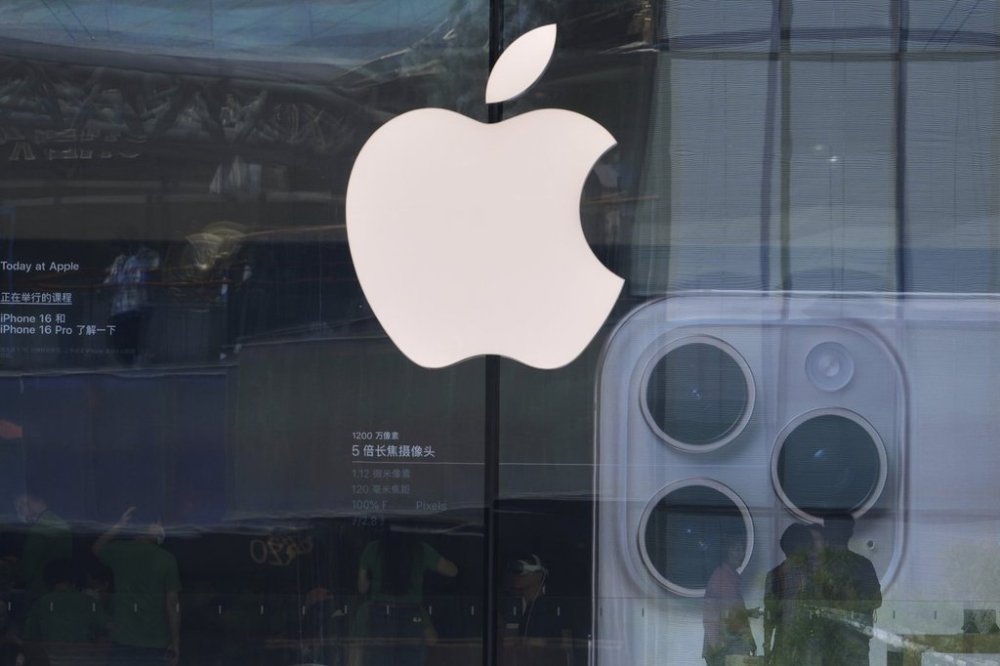
After Trump initially unveiled his sweeping tariffs in early April, industry analysts estimated the fees would drive up the cost of a $1,200 iPhone made in China to $1,500. That might sound steep, but most analysts believe if Apple somehow could suddenly start making iPhones in the U.S., prices for the devices would soar to at least $2,000 and possibly might rise as high as $3,500.
The disincentives for Apple shifting its production domestically include a complex supply chain that Cook began to engineer during the 1990s while he was working for his predecessor, company co-founder Steve Jobs, who died in 2011. It would take several years and cost billions of dollars to build new plants in the U.S. Combined with current economic forces, the price of an iPhone could triple, threatening to torpedo sales of Apple’s marquee product, which generated revenue of $201 billion during the company’s last fiscal year.
“The concept of making iPhones in the U.S. is a nonstarter,” asserted Wedbush Securities analyst Dan Ives, reflecting a widely held view in the investment community that tracks Apple’s every move. He estimated that the current $1,000 price tag for an iPhone made in China, or India, would soar to more than $3,000 if production shifted to the U.S. And he believes that moving production domestically likely couldn’t be done until, at the earliest, 2028. “Price points would move so dramatically, it’s hard to comprehend.”
In a Friday research note, Ives predicted Cook would engage in a “game of negotiations” with Trump that would spare the iPhone from the 25% tariffs.
Planning for the future is also becoming more difficult for Apple and other technology companies amid the upheaval being caused by the rapid rise of artificial intelligence. As AI becomes more sophisticated, the technology may spawn a forthcoming wave of hands-free and screen-free devices that diminish the demand for smartphones.
“You may not need an iPhone 10 years from now, as crazy as it sounds,” Apple executive Eddy Cue said earlier this month during a trial about the U.S. Justice Department’s proposed breakup of Google for running an illegal monopoly in search.
Apple didn’t immediately respond to a request for comment Friday. On a quarterly earnings call earlier in May, Cook told investors that tariffs had a “limited impact” on the company in the March quarter because it was able to optimize its supply chain. But Cook warned that it is “very difficult” to predict beyond June “because I’m not sure what will happen with tariffs.”
The big question is how long Apple might be willing to hold the line on its current prices if Trump’s threatened tolls become too much to bear and consumers are asked to shoulder some of the burden. Even without an escalation in tariffs, many analysts are predicting Apple will raise iPhone prices this autumn when the latest models are typically released — a prospect that could prod consumers to splurge on an upgrade this summer.
One of the main reasons that Apple has had wiggle room to hold the line on its current iPhone pricing is because the company continues to reap huge profit margins from the revenue generated by subscriptions and other services tied to its product, said Forrester Research analyst Dipanjan Chatterjee. That division, which collected $96 billion in revenue during Apple’s last fiscal year, remains untouched by Trump’s tariffs.
“Apple can absorb some of the tariff-induced cost increases without significant financial impact, at least in the short term,” Chatterjee said.
But now Apple is facing a significant decline in its service revenue after a federal judge recently issued an order prohibiting it from collecting commissions on transactions within iPhone apps that are processed on other payment systems other than its own. Unless Apple prevails in an appeal, the decision could cost the company billions of dollars annually.
Apple tried to appease Trump in February by announcing plans to spend $500 billion and hire 20,000 people in the U.S. through 2028, but none of it was tied to making an iPhone domestically. Instead, Apple pledged to fund a Houston data center for computer servers powering artificial intelligence — a technology the company is expanding into as part of an industrywide craze.
U.S. Commerce Secretary Howard Lutnick also predicted tariffs would force a manufacturing shift during an April 6 appearance on a CBS News program. “The army of millions and millions of human beings screwing in little screws to make iPhones, that kind of thing is going to come to America,” Lutnick said.
But during a 2017 appearance at a conference in China, Cook expressed doubt about whether the U.S. labor pool had enough workers with the vocational skills required to do the painstaking and tedious work that Lutnick was discussing.
“In the U.S. you could have a meeting of tooling engineers and I’m not sure we could fill the room,” Cook said. “In China, you could fill multiple football fields.”
Advertisement Advertise With Us
Advertisement Advertise With Us