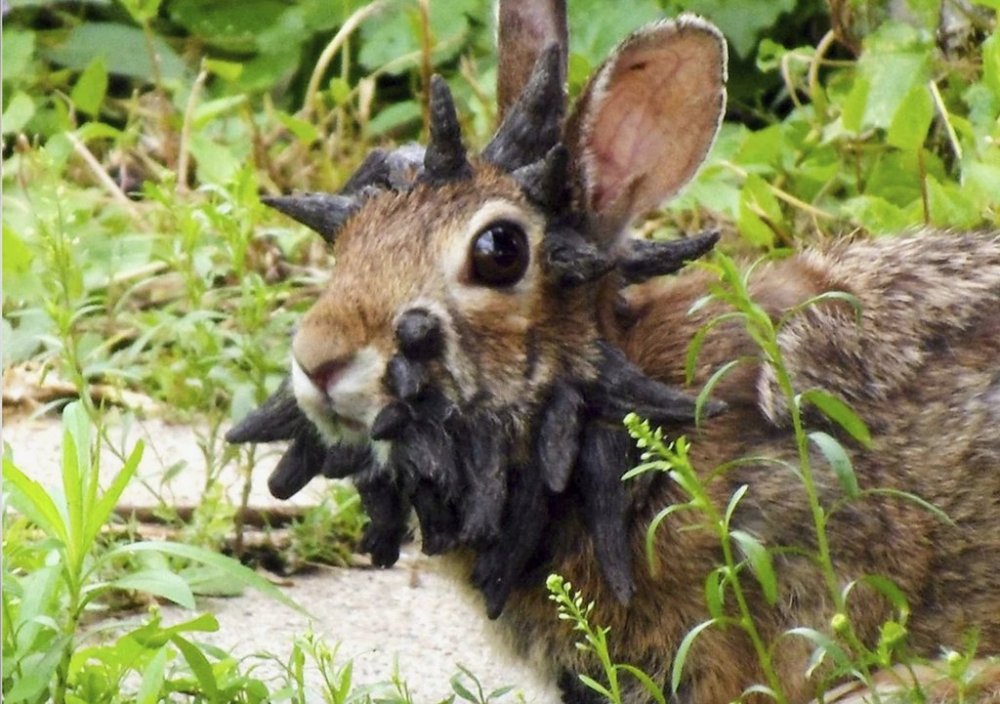
Rabbits with ‘horns’ in Colorado are being called ‘Frankenstein bunnies.’ Here’s why
Advertisement
Read this article for free:
or
Already have an account? Log in here »
To continue reading, please subscribe:

Digital Subscription
One year of digital access for only $205*
- Enjoy unlimited reading on winnipegfreepress.com
- Read the E-Edition, our digital replica newspaper
- Access News Break, our award-winning app
- Play interactive puzzles
*First annual payment billed as $205.00 + GST for one year. This annual subscription will automatically renew at $233.00 + GST every 52 weeks (10% off the regular annual price of $259.35). Offer available to new and qualified returning subscribers only. Cancel any time.
To continue reading, please subscribe:
Add Free Press access to your Brandon Sun subscription for only an additional
$1 for the first 4 weeks*
- Enjoy unlimited reading on winnipegfreepress.com
- Read the E-Edition, our digital replica newspaper
- Access News Break, our award-winning app
- Play interactive puzzles
*Your next Brandon Sun subscription payment will increase by $1.00 and you will be charged $17.95 plus GST for four weeks. After four weeks, your payment will increase to $24.95 plus GST every four weeks.
Read unlimited articles for free today:
or
Already have an account? Log in here »
Hey there, time traveller!
This article was published 13/08/2025 (408 days ago), so information in it may no longer be current.
DENVER (AP) — A group of rabbits in Colorado with grotesque, hornlike growths may seem straight out of a low-budget horror film, but scientists say there’s no reason to be spooked — the furry creatures merely have a relatively common virus.
The cottontails recently spotted in Fort Collins are infected with the mostly harmless Shope papillomavirus, which causes wart-like growths that protrude from their faces like metastasizing horns.
Viral photos have inspired a fluffle of unflattering nicknames, including “Frankenstein bunnies,” “demon rabbits” and “zombie rabbits.” But their affliction is nothing new, with the virus inspiring ancient folklore and fueling scientific research nearly 100 years ago.
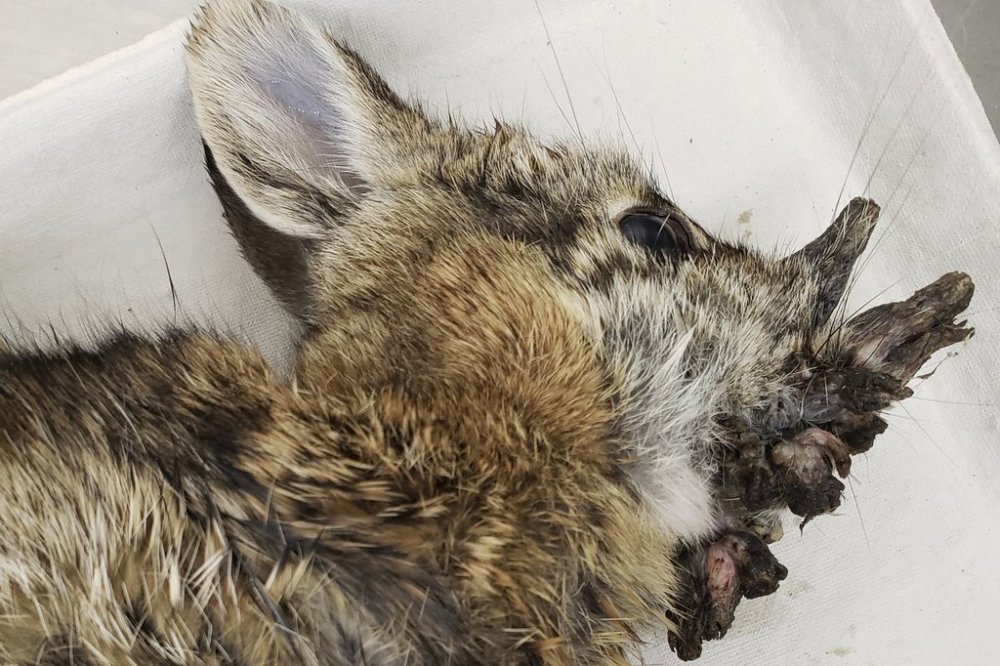
The virus likely influenced the centuries-old jackalope myth in North America, which told of a rabbit with antlers or horns, among other animal variations. The disease in rabbits also contributed to scientists’ knowledge about the connection between viruses and cancer, such as the human papillomavirus that causes cervical cancer.
The virus in rabbits was named after Dr. Richard E Shope, a professor at The Rockefeller University who discovered the disease in cottontails in the 1930s.
News about the rabbit sightings in Fort Collins, 65 miles (105 kilometers) north of Denver, started getting attention after residents started spotting them around town and posting pictures.

Kara Van Hoose, a spokesperson for Colorado Parks and Wildlife, told The Associated Press on Wednesday that the agency has been getting calls about the rabbits seen in Fort Collins.
But she said that it’s not uncommon to see infected rabbits, especially in the summer, when the fleas and ticks that spread the virus are most active. The virus can spread from rabbit to rabbit but not to other species, including humans and pets, she said.

The growths resemble warts but can look like horns if they grow longer, Van Hoose said. The growths don’t harm rabbits unless they grow on their eyes or mouths and interfere with eating. Rabbits’ immune systems are able to fight the virus and, once they do, the growths will disappear, she said.
___
Finley reported from Norfolk, Virginia.