Ottawa using AI to review public comments on its national AI strategy
Advertisement
Read this article for free:
or
Already have an account? Log in here »
To continue reading, please subscribe:

Digital Subscription
One year of digital access for only $205*
- Enjoy unlimited reading on winnipegfreepress.com
- Read the E-Edition, our digital replica newspaper
- Access News Break, our award-winning app
- Play interactive puzzles
*First annual payment billed as $205.00 + GST for one year. This annual subscription will automatically renew at $233.00 + GST every 52 weeks (10% off the regular annual price of $259.35). Offer available to new and qualified returning subscribers only. Cancel any time.
To continue reading, please subscribe:
Add Free Press access to your Brandon Sun subscription for only an additional
$1 for the first 4 weeks*
- Enjoy unlimited reading on winnipegfreepress.com
- Read the E-Edition, our digital replica newspaper
- Access News Break, our award-winning app
- Play interactive puzzles
*Your next Brandon Sun subscription payment will increase by $1.00 and you will be charged $17.95 plus GST for four weeks. After four weeks, your payment will increase to $24.95 plus GST every four weeks.
Read unlimited articles for free today:
or
Already have an account? Log in here »
Hey there, time traveller!
This article was published 11/12/2025 (298 days ago), so information in it may no longer be current.
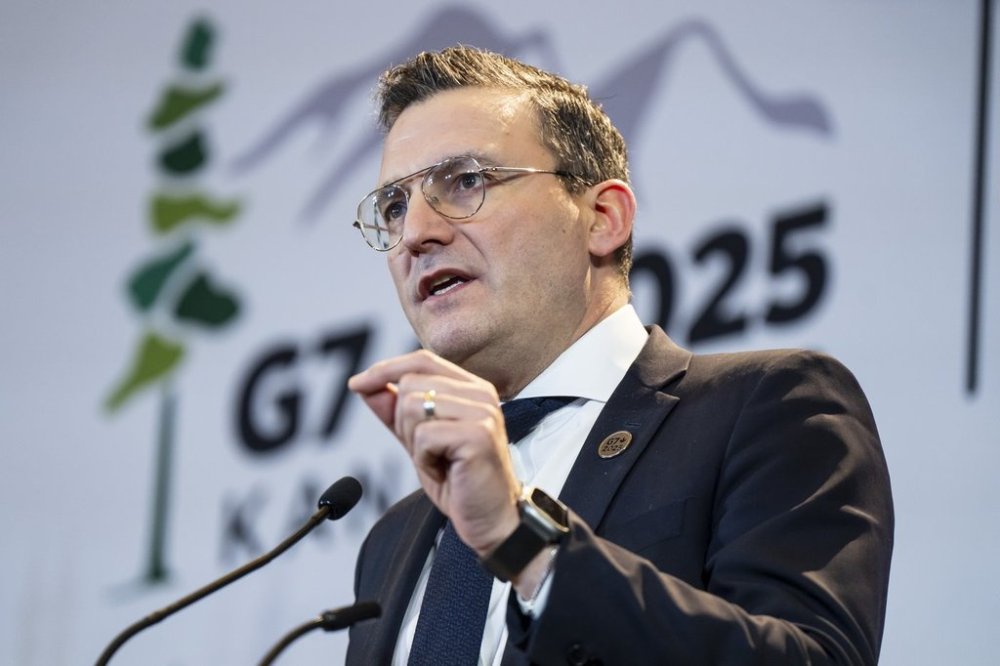
OTTAWA – The federal government is using artificial intelligence to sort through public input on AI policy, Artificial Intelligence Minister Evan Solomon said Thursday.
Solomon said an internally developed AI platform is being used to translate and summarize more than 11,000 comments the government received through its public consultation on an update to its national AI strategy.
The work complies with rules set out by the Treasury Board, and the comments will be made public once the work is finished, Solomon said.
The public consultation ran alongside an expert “task force” that Solomon assigned this fall to guide him on updating the strategy.
Experts, including University of Ottawa law professor Teresa Scassa, have accused the task force of being too skewed toward the perspective of industry and the tech sector.
Scassa said she would be surprised if the government wasn’t using AI to go through the comments.
AI is good at tasks like picking out themes, detecting letter-writing campaigns that result in many people submitting the same comments, or doing a sentiment analysis to figure out whether comments were generally positive or negative, she said.
“Those are, I think, perfectly valid uses of AI in this context,” Scassa said.
There are risks, she said. For instance, AI summaries might miss “key points or nuances depending on how people have expressed themselves in their comments.”

“If you’re getting lots of formal industry submissions written by professionals in the field and you’re getting also more passionate submissions written by people who are concerned about their jobs or concerned about issues with AI, and the system doesn’t process them in the same way, then that could be an issue as well,” Scassa noted.
Solomon said the updated strategy will be released in the new year. It will follow a 30-day time frame the government gave the task force to do its work and a month it allotted for the public consultation.
Scassa said the consultation period was a very short one, which worked against civil society organizations and ordinary citizens.
“Having a one-month consultation period automatically skews the consultation towards big organizations with lots of resources,” she said.
This report by The Canadian Press was first published Dec. 11, 2025.
Related Articles
Disney invests $1B in OpenAI in deal to bring characters like Mickey Mouse to Sora AI video tool
Advertisement Advertise With Us
Advertisement Advertise With Us