Moldova to impose 60-day energy and water emergency due to drought and rising costs
Advertisement
Read this article for free:
or
Already have an account? Log in here »
To continue reading, please subscribe:

Digital Subscription
One year of digital access for only $205*
- Enjoy unlimited reading on winnipegfreepress.com
- Read the E-Edition, our digital replica newspaper
- Access News Break, our award-winning app
- Play interactive puzzles
*First annual payment billed as $205.00 + GST for one year. This annual subscription will automatically renew at $233.00 + GST every 52 weeks (10% off the regular annual price of $259.35). Offer available to new and qualified returning subscribers only. Cancel any time.
To continue reading, please subscribe:
Add Free Press access to your Brandon Sun subscription for only an additional
$1 for the first 4 weeks*
- Enjoy unlimited reading on winnipegfreepress.com
- Read the E-Edition, our digital replica newspaper
- Access News Break, our award-winning app
- Play interactive puzzles
*Your next Brandon Sun subscription payment will increase by $1.00 and you will be charged $17.95 plus GST for four weeks. After four weeks, your payment will increase to $24.95 plus GST every four weeks.
Read unlimited articles for free today:
or
Already have an account? Log in here »
CHISINAU, Moldova (AP) — Moldova voted on Tuesday to impose a 60-day state of emergency on its energy and water sectors due to severely low water levels on the Dniester River and global conflicts that are driving up energy costs.
Moldova is facing “a severe hydrological deficit” on both the Dniester and Prut rivers, which threatens the European Union candidate country’s water supply, according to the Ministry of Environment, which said the measures would give the authorities the power to intervene faster and apply temporary measures where necessary to maintain supplies.
“Particular attention is paid to the situation on the Dniester River, which is one of the main water sources of the Republic of Moldova,” the ministry said.
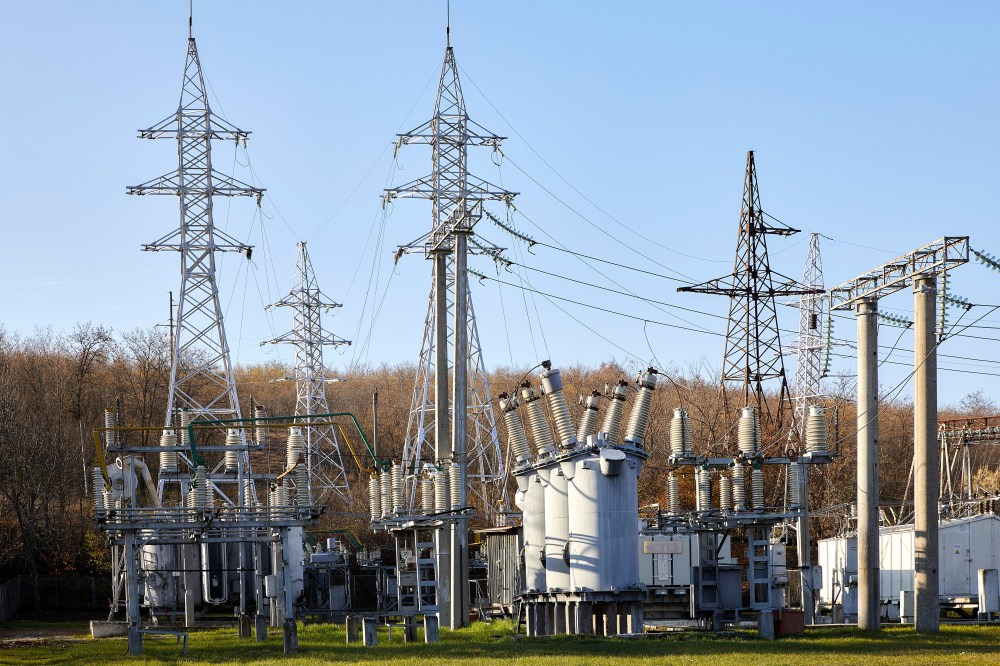
The 101-seat legislature approved the measure in a 54-20 vote, with 22 lawmakers not casting ballots. The emergency takes effect on Saturday.
The decision comes a day after President Maia Sandu chaired a National Security Council meeting on the “impact of the international energy crisis” on Moldova and “measures to strengthen national energy resilience” ahead of winter.
Prime Minister Vasile Tofan said on Tuesday that a “perfect storm” of issues, such as drought, conflicts in the Middle East and Ukraine, and the destruction of refineries, has led to rising energy costs and put pressure on Moldova’s energy sector.

Moldova depends heavily on imported natural gas and electricity. Similar states of alert, which expire on Friday, have been in place in both sectors since July, when a severe drought began to grip Europe.
“I’m not saying that tomorrow we’ll run out of gas, diesel, electricity or water,” Tofan said. “The problem is that we are entering the cold season with several major risks overlapping at the same time.”
Tofan said about 22 cubic meters of water per second were flowing into the Novodnistrovsk reservoir upstream in Ukraine, well below the minimum of 60 cubic meters per second that he said was needed.
Environment Minister Gheorghe Hajder said restrictions on nonessential water use may be necessary. “We must have all the tools required to intervene,” he said.
Moldova declared a state of emergency in the energy sector in March after Russian strikes on Ukraine’s energy grid disconnected a key power line linking Moldova to Romania. That same month, thousands of Moldovans were left without water after a Russian strike on the Novodnistrovsk hydropower plant resulted in pollution on the Dniester.