Take a tasty trip down he produce aisle
Advertisement
Read this article for free:
or
Already have an account? Log in here »
To continue reading, please subscribe:

Digital Subscription
One year of digital access for only $205*
- Enjoy unlimited reading on winnipegfreepress.com
- Read the E-Edition, our digital replica newspaper
- Access News Break, our award-winning app
- Play interactive puzzles
*First annual payment billed as $205.00 + GST for one year. This annual subscription will automatically renew at $233.00 + GST every 52 weeks (10% off the regular annual price of $259.35). Offer available to new and qualified returning subscribers only. Cancel any time.
To continue reading, please subscribe:
Add Free Press access to your Brandon Sun subscription for only an additional
$1 for the first 4 weeks*
- Enjoy unlimited reading on winnipegfreepress.com
- Read the E-Edition, our digital replica newspaper
- Access News Break, our award-winning app
- Play interactive puzzles
*Your next Brandon Sun subscription payment will increase by $1.00 and you will be charged $17.95 plus GST for four weeks. After four weeks, your payment will increase to $24.95 plus GST every four weeks.
Read unlimited articles for free today:
or
Already have an account? Log in here »
Hey there, time traveller!
This article was published 06/04/2018 (3027 days ago), so information in it may no longer be current.
I create recipes for a living, so I have a vested interest in making sure people know how to select the best ingredients. The quality of the fruits and vegetables you buy can make or break a dish. So I’m here to say: Help me help you achieve the best results by making sure you select the right produce.
Imagine the sweetest, juiciest summer peach you’ve ever had, and think about how good it would taste in a freshly baked pie. I’m guessing you can also visualize the hard, flavourless peaches from the grocery store. We’ve all encountered them. If you think about it, it makes sense that those peaches can’t deliver the same amazing pie. It has nothing to do with the recipe!
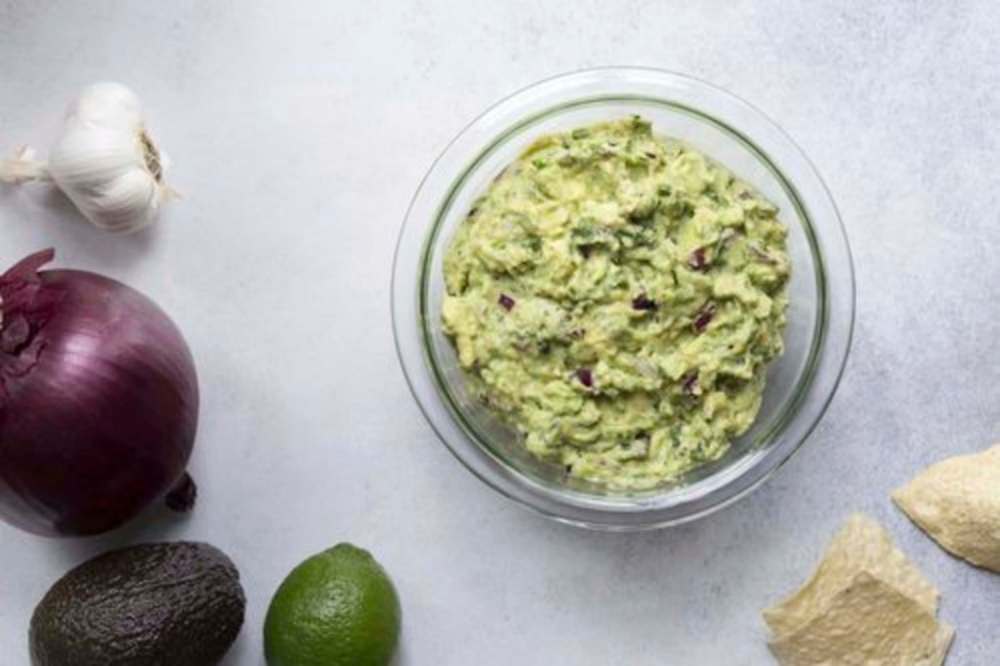
Today, I’ll be covering how to shop for produce. I’m going to walk you through general guidelines and give you tips for common fruits and vegetables. Then we’re going to take some of that fresh produce and use it in one of my favourite dips: guacamole!
General guidelines
You don’t need to remember a ton of specifics before heading to the grocery store or farmers market. Some signs of freshness are unique to specific produce, but these will become second nature.
Here are my top tips:
• Use all of your senses. How does the item look, feel and smell? Look for a smooth exterior and vibrant colour; avoid produce with bruises and discoloration. Feel the produce carefully, taking care not to damage it. Over time, you can learn which items should be firm, and which should give slightly when pressed with a finger. Use your nose. If the nectarine doesn’t smell sweet, it won’t taste sweet (this is often more applicable to fruit). Sometimes you can taste before you buy, especially at a farmers market.
• Avoid bagged, boxed and prepackaged items. It’s hard to use your senses when there’s a barrier between you and the produce. Also, rotting items that might not be visible can cause the other produce to spoil faster. “One bad apple will spoil the whole bunch,” as they say.
• Buy locally, in season. Seasonal produce will vary by region and be the freshest things available. Fruits and vegetables that have to travel across the country are often picked before they’re ripe. Fresh equals flavour.
• Ask questions. Don’t be afraid to try before you buy at the farmers market. If the produce looks old at the grocery store, ask an employee to bring you better options from the stockroom.
Tips for common produce
We’ve all experienced the frustration of bringing home fruits or vegetables only to discover that they’re rotten on the inside, or that they need days to ripen.
Your grocery list can be a great starting point if you want to study up on a few items before shopping.
Apples: They should be firm and smooth. Gently press a small area of the fruit’s skin, and avoid anything noticeably soft, wrinkled, bruised or discolored.
Avocados: To tell how ripe they are, look at colour and firmness. Ripe Hass avocados have a dark green, almost black skin, and they give just slightly when you press. Underripe avocados will be hard, while overripe avocados will feel mushy, and the skin might feel like it’s separating from the flesh inside.
Berries: Seasonal berries will always have the best flavour. You want bright colours, firmness, a sweet smell and zero visible decay. Since berries are typically sold in clamshell packaging, check the bottoms for liquid or mould. At farmers markets, berries are often sold in open containers, where it’s easier to spot issues.
Broccoli: Avoid broccoli with pale or yellow spots. A strong smell is also a sign that the broccoli is old. The stalks should be firm, with green, crisp leaves. Florets should be dark green.
Carrots: Look for bright, smooth and firm carrots, with no limpness or visible cracks. Ideally, the leafy green tops will still be attached since those are a good indicator of freshness. The bulk bin is your best bet, instead of bagged carrots.
Citrus fruits: Look for vibrant colours and fruit that’s firm but just slightly tender. If the fruit is too firm, it might be lacking in juice. Skip citrus with bruised surfaces that are dull in colour and/or mushy. Heft can be an indication of juicy fruit.
Garlic: Bulbs should be plump and firm. The papery outer skins should be intact. The garlic should not have an odour. Avoid anything soft or with green sprouts.
Leafy greens: Look for bright, crisp, full leaves with a consistent colour. Avoid anything slimy or wilted.
Mushrooms: Avoid mushrooms with a fishy odour, slimy exterior or noticeable discoloration. While there’s sometimes a bit of natural texture (oyster mushrooms), fresh mushrooms will generally have firm, smooth caps and stems.
Onions: Look for onions that are firm and heavy, with their papery skins intact. Avoid anything that is sprouting, soft or that has an odour.
Peaches: Local, seasonal peaches will always have the best flavour. Select fragrant, colourful peaches that are mostly firm but slightly soft to the touch.
Peppers: Both bell and chili peppers should have smooth surfaces and vibrant colours. They should feel firm. Avoid anything wrinkled or bruised.
Potatoes/sweet potatoes: Look for firm potatoes without wrinkled skins, sprouting eyes or a green tinge.
Summer squash: Summer squash (zucchini, yellow squash, pattypan) will have glossy skin, bright colour and fresh appearance. There should be no wrinkles or mushy spots.
Tomatoes: Seasonal, locally grown tomatoes will always have the best flavour. Look for smooth, unbroken skin. Tomatoes should be slightly soft but not mushy.
Winter squash: When selecting winter squash (pumpkin, butternut, acorn), look for a hard rind. You want something that seems heavy for its size, because in this case, weight is a good indicator of quality.
— Washington Post
Guacamole with Lime
8 servings (makes about 4 cups)
4 medium avocados, ripe but not mushy
125 ml (1/2 cup) fresh lime juice (from 3 to 4 limes)
1 medium red onion, minced
2 medium jalapeno peppers, seeded and minced
1 to 2 small garlic cloves, minced
60 ml (1/4 cup) packed fresh cilantro, leaves and tender stems, chopped
7.5 ml (1 1/2 tsp) kosher salt, or more as needed
5 ml (1 tsp) freshly ground black pepper, or more as needed
Tortilla chips, for serving
Slice the avocados in half, lengthwise. Remove the pits. Place the fruit in a large bowl and mash with a fork or potato masher, leaving some avocado chunks. Discard the skins and pits.
Add the lime juice, onion, peppers, garlic (to taste), cilantro, salt and pepper, stirring with the spatula to incorporate.
Taste, and add more salt and/or pepper, as needed.
Serve with tortilla chips.
Note: You may want to adjust the amount of lime juice used in the recipe to taste. You can start by adding 1/2 or 3/4 of the lime juice, taste it, and then add the remainder if desired.
— Washington Post