What makes a dwelling a home? The answer is changing
Advertisement
Read this article for free:
or
Already have an account? Log in here »
To continue reading, please subscribe:

Digital Subscription
One year of digital access for only $205*
- Enjoy unlimited reading on winnipegfreepress.com
- Read the E-Edition, our digital replica newspaper
- Access News Break, our award-winning app
- Play interactive puzzles
*First annual payment billed as $205.00 + GST for one year. This annual subscription will automatically renew at $233.00 + GST every 52 weeks (10% off the regular annual price of $259.35). Offer available to new and qualified returning subscribers only. Cancel any time.
To continue reading, please subscribe:
Add Free Press access to your Brandon Sun subscription for only an additional
$1 for the first 4 weeks*
- Enjoy unlimited reading on winnipegfreepress.com
- Read the E-Edition, our digital replica newspaper
- Access News Break, our award-winning app
- Play interactive puzzles
*Your next Brandon Sun subscription payment will increase by $1.00 and you will be charged $17.95 plus GST for four weeks. After four weeks, your payment will increase to $24.95 plus GST every four weeks.
Read unlimited articles for free today:
or
Already have an account? Log in here »
Hey there, time traveller!
This article was published 05/03/2019 (2701 days ago), so information in it may no longer be current.
What makes a house or an apartment a home?
For some of us, home is a walk-up apartment that we share with a roommate or two. For others, it might be a centre-hall house on a leafy suburban street, or a modern glass box overlooking the sea. The variations are endless. The only real universal feature is a roof over your head; everything else that distinguishes a home from mere shelter is different for each of us.
And evolving technology and lifestyles are changing what we want our homes to be.
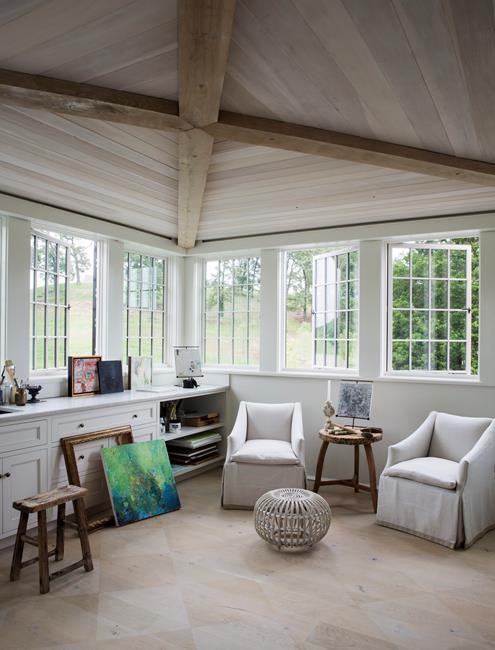
“With so many entertainment and smart technology options at our fingertips, we find homeowners are spending more time at home. People are focusing on how they truly use a space to reflect how they live, versus what the room is ‘supposed to be,'” says Kerrie Kelly, an interior design expert for the online real-estate marketplace Zillow.
For instance, she notes, dining rooms are no longer just a place to eat. “Adults work from this space and kids do homework here, making a single-use room more multi-purpose,” Kelly says. “We also see ‘library rooms’ in lieu of formal dining rooms, with more attention to comfortable seating for taking in a variety of media. And lastly, the laundry room isn’t just for washing clothes any more. Pet-washing stations are popping up more frequently instead of laundry tubs.”
For city dwellers, she’s noticed an increase in conversions of loft-like work spaces into living spaces.
“People are interested in living in an urban environment in order to enjoy culture without getting in the car,” she says. “Easily accessible restaurants, entertainment and shopping appeals to all age groups.”
The retailer IKEA surveyed people across the globe for its 2018 “Life at Home” report, and found that 1 in 4 respondents said they work more from home than ever before. Nearly 2 in 3 said they’d rather live in a small home in a great location than in a big home in a less ideal spot.
Jeffrey Dungan, an international architect based in Mountain Brook, Alabama, reports that more clients want to use their homes for creative pursuits.
“There’s this idea that with the increasing popularity of the Maker movement, and people turning hobbies into successful businesses — whether it’s a side hustle or primary income — the home is more and more becoming a place of business,” he says. “Home is the place where you can do what you love unapologetically, and as more people turn what they love to do into a business, then in a way their business becomes home.”
Dungan worked on a home in Texas where the client wanted a sewing room placed right off the master suite. Other clients are also asking for dedicated spaces such as yoga and art studios.
In IKEA’s report, Alison Blunt, co-director of the Centre for Studies of Home at Queen Mary University of London, says there are essentially five things that matter to people when they consider the ideal home: “Comfort, security, a sense of autonomy and ownership, and the capacity for privacy. Home at its core goes back to a sense of belonging.”
A survey by the home-furnishings retailer Article in 2018 asked people what it took for them to finally call a dwelling a home. Many responders said it takes a couple of holidays, barbecues, family visits, big sporting events and game nights before they really feel “at home.” So feather the proverbial nest however you like, and have fun while you do it. Then invite somebody over.