Wildflowers: robust, low-maintenance, pollinator-friendly
Advertisement
Read this article for free:
or
Already have an account? Log in here »
To continue reading, please subscribe:

Digital Subscription
One year of digital access for only $205*
- Enjoy unlimited reading on winnipegfreepress.com
- Read the E-Edition, our digital replica newspaper
- Access News Break, our award-winning app
- Play interactive puzzles
*First annual payment billed as $205.00 + GST for one year. This annual subscription will automatically renew at $233.00 + GST every 52 weeks (10% off the regular annual price of $259.35). Offer available to new and qualified returning subscribers only. Cancel any time.
To continue reading, please subscribe:
Add Free Press access to your Brandon Sun subscription for only an additional
$1 for the first 4 weeks*
- Enjoy unlimited reading on winnipegfreepress.com
- Read the E-Edition, our digital replica newspaper
- Access News Break, our award-winning app
- Play interactive puzzles
*Your next Brandon Sun subscription payment will increase by $1.00 and you will be charged $17.95 plus GST for four weeks. After four weeks, your payment will increase to $24.95 plus GST every four weeks.
Read unlimited articles for free today:
or
Already have an account? Log in here »
Hey there, time traveller!
This article was published 16/04/2019 (2662 days ago), so information in it may no longer be current.
Gardeners trying to lure pollinators to their landscape would be wise to mimic nature and plant wildflowers. The attractive perennials tolerate harsh climates, seldom need fertilizing and resist most diseases and insect pests.
Wildflowers are durable, too, requiring little or no irrigation once established.
“They bloom early and establish nicely to make a very natural colony,” said Barry Glick, owner of Sunshine Farm and Gardens in Renick, West Virginia.
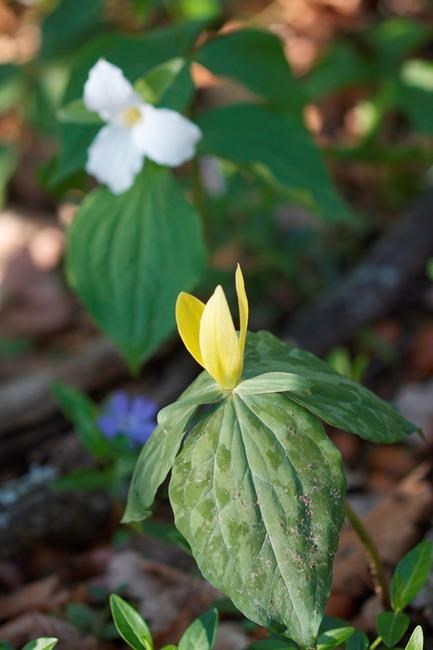
But beware: Some native plants are invasive.
“Ragweed, for example, is a native plant but is considered undesirable because it gives us hay fever,” said Sharon Yiesla, a horticulturist with The Morton Arboretum in Lisle, Illinois.
On the other hand, she said, “There are plants that people think of as wildflowers but they are not native.” Queen Anne’s lace, for instance, came from Europe and has been around so long that it has naturalized here.
“Some people call it a wildflower; some call it a weed,” she said. “Know something about each plant before you choose it.”
Shop at a specialty nursery if you want to grow wildflowers, Yiesla said.
“Wildflowers should be purchased rather than dug from the wild,” she said. “This is often regulated by law and even if it is not, a tremendous amount of damage can be done to wild populations through digging.”
Wildflower varieties generally are divided into three major groups: meadow, woodland and wetland. Plants taken from nature generally don’t survive being transplanted because growing conditions can differ so greatly in residential backyards.
“The first step in starting a wildflower area is choosing an appropriate site and matching plant species to environmental factors such as climate, rainfall, pH and soil type,” said Leonard Perry, horticulture professor emeritus with University of Vermont Extension, in a fact sheet.
“Whenever possible, try to select native species as they often perform better than non-natives,” he said. “Native species generally are more attractive to pollinators and beneficial insects, too.”
Simply spreading wildflower seed over unprepared ground is inefficient. Site preparation is important.
Break up the soil and eliminate weeds before sowing any seed. That will speed germination and reduce confusion over what’s a weed and what’s a wildflower.
It usually is better to choose bare root plants, plugs or seedlings if you want your wildflower gardening to be faster and easier to manage. Seeds are cheaper if you have large areas to cover.
Study package labels closely when buying seed mixtures. Ideally, you want 100 per cent pure seed without any fill.
It’s ideal to source natives or varieties that are proven in your area if you want lasting colours for years to come, said Mike Lizotte, a managing partner of American Meadows Inc. in Shelburne, Vermont.
“Finding a reputable seed company or contacting your local Master Gardening Extension or native plant source would be great resources to get you started in the right direction,” he said.
Landscapes may look disheveled once the flowers fade but don’t be quick to remove spent plants.

“The leaves produce food that help the plant grow and become bigger and stronger the next year,” Yiesla said. “Also the plant may produce seeds or fruit that feed birds and wildlife.”
___
Online:
For more about adding wildflowers to your garden, see this fact sheet from University of Vermont Extension: http://pss.uvm.edu/ppp/pubs/oh84mead.htm
You can contact Dean Fosdick at deanfosdick@netscape.net