

‘Smart’ debit cards will stop skimming
Institutions already introducing them
Advertisement
Read this article for free:
or
Already have an account? Log in here »
To continue reading, please subscribe:
Monthly Digital Subscription
$1 per week for 24 weeks*
- Enjoy unlimited reading on winnipegfreepress.com
- Read the E-Edition, our digital replica newspaper
- Access News Break, our award-winning app
- Play interactive puzzles
*Billed as $4.00 plus GST every four weeks. After 24 weeks, price increases to the regular rate of $19.95 plus GST every four weeks. Offer available to new and qualified returning subscribers only. Cancel any time.
Monthly Digital Subscription
$4.99/week*
- Enjoy unlimited reading on winnipegfreepress.com
- Read the E-Edition, our digital replica newspaper
- Access News Break, our award-winning app
- Play interactive puzzles
*Billed as $19.95 plus GST every four weeks. Cancel any time.
To continue reading, please subscribe:
Add Free Press access to your Brandon Sun subscription for only an additional
$1 for the first 4 weeks*
*Your next subscription payment will increase by $1.00 and you will be charged $16.99 plus GST for four weeks. After four weeks, your payment will increase to $23.99 plus GST every four weeks.
Read unlimited articles for free today:
or
Already have an account? Log in here »
Hey there, time traveller!
This article was published 27/10/2009 (6012 days ago), so information in it may no longer be current.
DEBIT-card skimming will soon be a crime of the past if Canada’s financial institutions have their way.
That’s because banks and credit unions are in process of approving and, in some cases, rolling out debit "smart" cards embedded with small computer chips.
The chips are replacing the 30-year-old magnetic-stripe technology, which is outdated and all-too-susceptible to card skimmers, who can copy the stripe’s data and make duplicate cards, often right under their victims’ noses. This kind of fraud cost Canadian financial institutions more than $100 million last year.
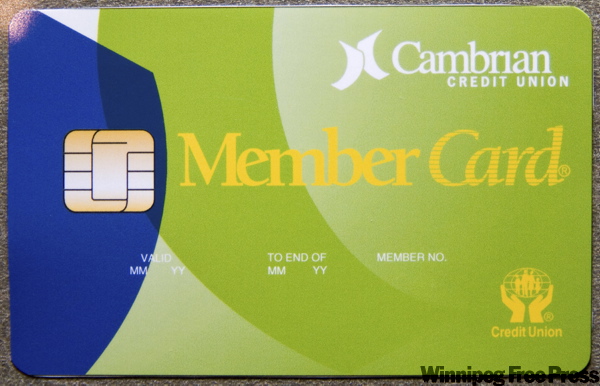
Chip cards essentially have a small computer in them that uses lengthy encryption keys that are unique to each one. Issuers say the keys can be enlarged as time goes on to make them even more difficult for fraudsters to crack. (Chip cards differ from the technology they’re replacing in that you insert the card into a reader, rather than swiping it, before punching in your PIN.)
The more than $1-billion conversion from mag-stripe technology is being orchestrated by the Interac Association. Caroline Hubberstey, its director of public affairs, said 65 per cent of client cards must contain chips by the end of next year, all ATMs need to be converted by 2012 and all point-of-sale readers need to be chip-enabled by the end of 2015. (In the meantime, most card readers at stores and restaurants will be able to handle both technologies.)
She said Canada isn’t the trailblazer in adopting chip technology by any means (many countries in Europe and Asia are years ahead) but we’re way out in front of the U.S. The move to chip cards will essentially make Canada off-limits for fraudsters, she said.
"They’re going to go where it’s easiest to do the crime. This is their day job, ripping people and financial institutions off. We’re going to make it damned difficult in Canada to do that," she said.

Just last week, Winnipeg police announced they had begun investigating a card-skimming ring that had defrauded hundreds of Winnipeggers out of thousands of dollars recently. A preliminary investigation discovered that debit-card machine PIN pads at several businesses had been compromised, with the information used to produce duplicate cards and make fraudulent purchases in Eastern Canada. Police said the investigation is expected to take several months.
Cambrian Credit Union will conduct a chip debit card pilot project on behalf of all credit unions in Manitoba early in the new year. Connie Clarke, its vice-president of systems and administration, said she expects to have chip cards in its members’ hands by April and other credit unions in the province to follow suit shortly thereafter.
"We’re really excited. We would have liked to have gone even sooner but there are a lot of parties involved. You have to get ATMs ready for it, for example. It’s a very complex thing to plan out and make sure everybody will be ready. We’ve heard a lot of talk about chip cards and smart cards for a long time. This time, it’s finally going to happen," she said.
The Royal Bank is one of the front-runners in chip technology, having issued more than 1.5 million chip cards to its clients, more than 20 per cent of its total. Currently, every new client receives a chip card and clients whose old cards have worn out are receiving a replacement chip card in their place.
geoff.kirbyson@freepress.mb.ca