

Water woes just won’t end
Lake St. Martin residents face new flooding after spring rains
Advertisement
Read this article for free:
or
Already have an account? Log in here »
To continue reading, please subscribe:
Digital Subscription
One year of digital access for only $75*
- Enjoy unlimited reading on winnipegfreepress.com
- Read the E-Edition, our digital replica newspaper
- Access News Break, our award-winning app
- Play interactive puzzles
*Billed as $5.77 plus GST every four weeks. After 52 weeks, price increases to the regular rate of $19.95 plus GST every four weeks. Offer available to new and qualified returning subscribers only. Cancel any time.
Monthly Digital Subscription
$4.99/week*
- Enjoy unlimited reading on winnipegfreepress.com
- Read the E-Edition, our digital replica newspaper
- Access News Break, our award-winning app
- Play interactive puzzles
*Billed as $19.95 plus GST every four weeks. Cancel any time.
To continue reading, please subscribe:
Add Free Press access to your Brandon Sun subscription for only an additional
$1 for the first 4 weeks*
- Enjoy unlimited reading on winnipegfreepress.com
- Read the E-Edition, our digital replica newspaper
- Access News Break, our award-winning app
- Play interactive puzzles
*Your next Brandon Sun subscription payment will increase by $1.00 and you will be charged $17.95 plus GST for four weeks. After four weeks, your payment will increase to $24.95 plus GST every four weeks.
Read unlimited articles for free today:
or
Already have an account? Log in here »
Hey there, time traveller!
This article was published 10/04/2012 (5151 days ago), so information in it may no longer be current.
A dozen families traded hotel rooms for brand-new houses on an old radar base near Gypsumville.
Stalwarts are pumping water again at Lake St. Martin and landowners with thousands of acres for sale wonder if the displaced First Nation will really move to higher ground.
In Winnipeg, flood evacuees who filed suit against the province last week are only part of the story as the First Nations face their second spring without homes. The Winnipeg Free Press paid a visit to the Lake St. Martin area just before Easter.
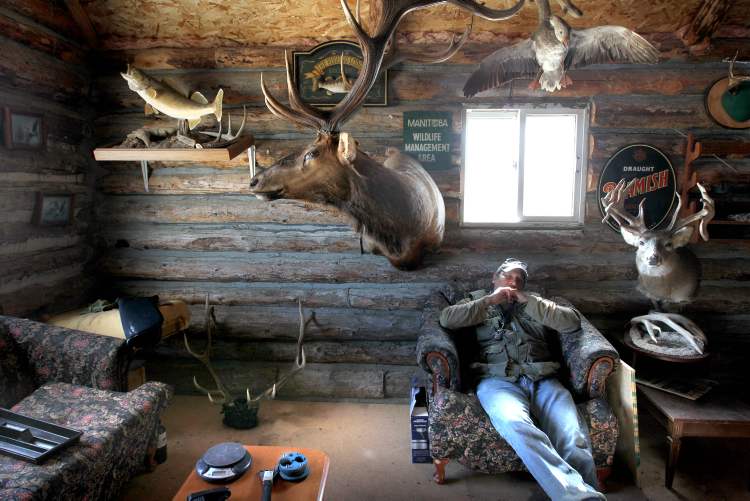
LAKE ST. MARTIN FIRST NATION — This year’s flood at Lake St. Martin came after a heavy rain a week before Easter.
Tom Beardy, who lives on the wrong side of the First Nation’s dike but stayed behind with his cousin, Clint Beardy, after last spring’s evacuation, looked out his front window and saw a familiar sight.
Tom Beardy’s yard was filling up with water.
“I had to make a trench by hand,” Beardy said, showing his home’s foundation, cracked and crumbling after water seeped in and froze over the winter. “Then I phoned Clint and he said, ‘We’ll phone around and get a couple of pumps.’ “
The province, the Lake St. Martin chief and council and the federal government were notified six houses behind an earthen dike that once blocked rising flood water were ankle deep after the rainstorm.
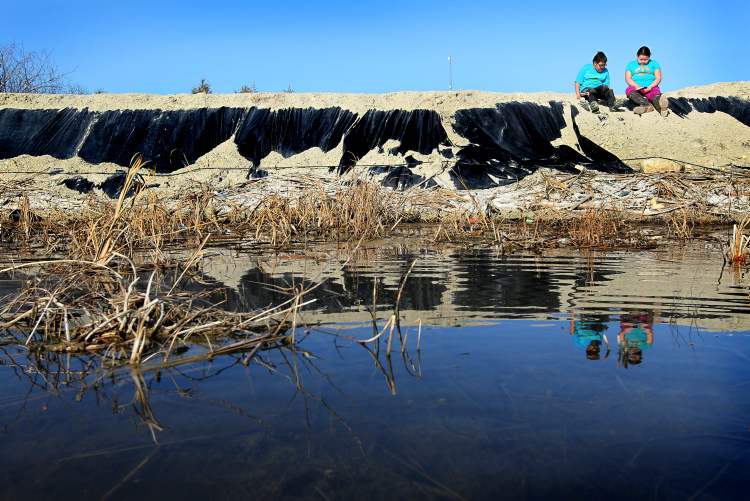
The first thing the province did was check the dikes.
“The information the province has is that this is not dike failure,” a Manitoba Conservation spokesman said.
Lake St. Martin is well below flood stage. The dike that protects the community from the lake is at 809 feet above sea level. The lake is at 801.67.
Provincial officials determined the rain had dumped normal levels of spring runoff within the dikes and after checking, they left the cleanup in the hands of federal and First Nation officials.
A handful of residents organized themselves into six-person shifts and manned the pumps 24/7 for four days until they pumped the water out.
With Easter a day away, Clint and Tom pointed to flooded ditches and said the runoff would have drained harmlessly into the lake if culverts had been opened up after the flood waters receded last fall. But they weren’t.

Ask the Beardys or their neighbours what the future holds, and they can’t say. But they know what they want: To stay where they are.
“I grew up on this land, it’s where my grandfather lived. The more power to people if they want to move, but being here is part of me and I don’t think I can live anywhere else,” Clint Beardy said.
Staying is a problem, they admit.
Lawton Sinclair, Tom’s neighbour, said probably 40 per cent of the homes on the First Nation that were evacuated nearly a year ago are damaged, either from busted water pipes or flooding.

And the only thing holding back more runoff from flowing into the lake is a couple of beaver dams.
Those who stayed behind last year worry about evacuees returning.
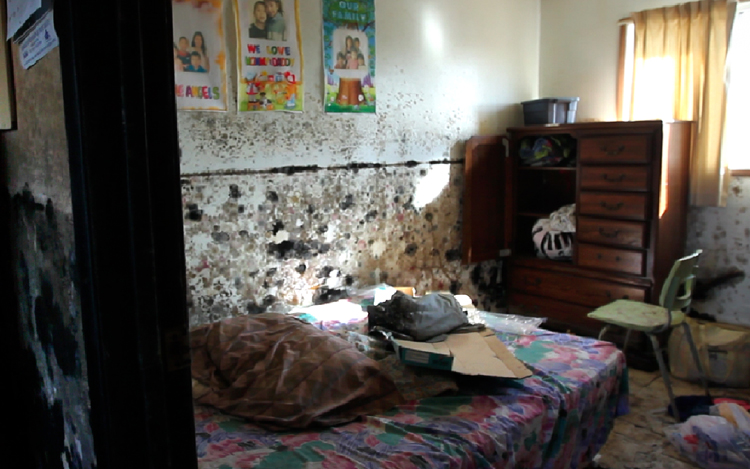
“Now they’re talking about bringing people home. It’s going to be a mess,” Sinclair said. “It sounds simple, to say, ‘Just bring everyone home.’ But it’s worse now than it actually was before.
“And you don’t pull people out of a dangerous situation just to put them back in again.”
alexandra.paul@freepress.mb.ca


Advertisement Advertise With Us
Advertisement Advertise With Us