

Diverse, yet peaceful
Despite differences, Nigeriens get along
Advertisement
Read this article for free:
or
Already have an account? Log in here »
To continue reading, please subscribe:
Digital Subscription
One year of digital access for only $1.44 a week*
- Enjoy unlimited reading on winnipegfreepress.com
- Read the E-Edition, our digital replica newspaper
- Access News Break, our award-winning app
- Play interactive puzzles
*Billed as $5.77 plus GST every four weeks. After 52 weeks, price increases to the regular rate of $19.95 plus GST every four weeks. Offer available to new and qualified returning subscribers only. Cancel any time.
To continue reading, please subscribe:
Add Free Press access to your Brandon Sun subscription for only an additional
$1 for the first 4 weeks*
- Enjoy unlimited reading on winnipegfreepress.com
- Read the E-Edition, our digital replica newspaper
- Access News Break, our award-winning app
- Play interactive puzzles
*Your next Brandon Sun subscription payment will increase by $1.00 and you will be charged $17.95 plus GST for four weeks. After four weeks, your payment will increase to $24.95 plus GST every four weeks.
Read unlimited articles for free today:
or
Already have an account? Log in here »
Hey there, time traveller!
This article was published 16/05/2012 (5148 days ago), so information in it may no longer be current.
TAGENTASSOU, Niger — If there’s a reason for hope in impoverished, environmentally challenged Niger, it’s the absence of ethnic tension that has torn apart other developing countries.
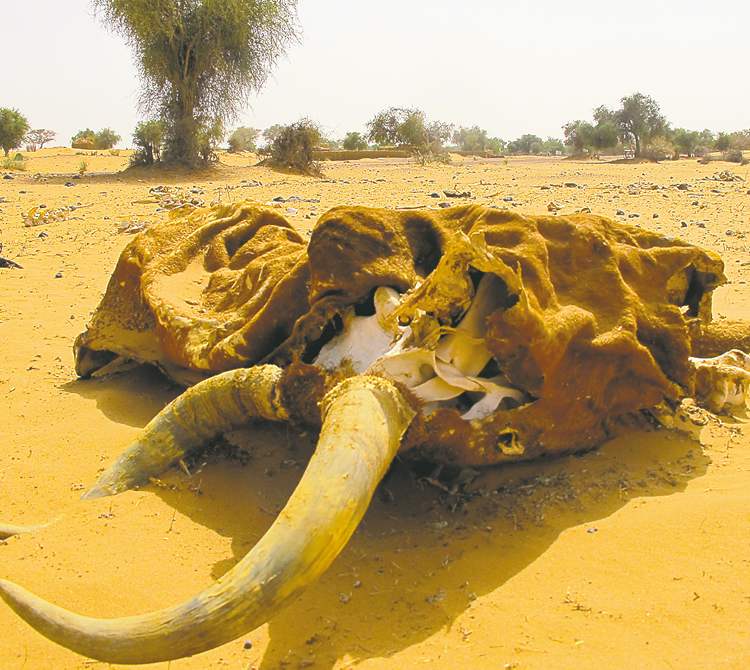
A sizeable chunk of the population in this mostly agricultural African nation faces a potential food crisis this summer. Niger is also struggling with climate variability, rapid population growth, deforestation, underdevelopment and unsustainable agricultural practices.
Given these conditions, you might expect Nigeriens to be at each other’s throats. Yet a diverse array of ethnic groups coexists relatively peacefully in this young nation, which gained independence from France in 1960.
“People in this country respect each other,” said Nigerien development worker Tchady Harouna, a Muslim working for a Catholic non-governmental agency.
This is no boast. Intentionally or otherwise, Niger has done a good job fostering a multi-ethnic identity. This is either because the Sahel has always been home to a diverse range of people — or in spite of the colonial-era practice of drawing arbitrary lines on a map and calling the space inside those lines “nations,” regardless of who lives there.
The largest group in Niger is the Hausa, who make up more than half of the population and are concentrated in cities, towns and villages north of the border with Nigeria. About a quarter of the population are Djerma, ethno-linguistic cousins to the Hausa. The Hausa dominate Niamey, Niger’s capital. Smaller groups include the Gourmantche, who live near the Burkina Faso border and are the Nigerien ethnic group most likely to be Christian or follow animist spiritual traditions.
The Kanouri Manga are concentrated in Niger’s southeast corner, there are ethnic Arabs in Niamey and other larger cities and almost all southern rural areas are criss-crossed by the Fulani, a mostly nomadic group of livestock herders.
In many villages, members of different groups live side by side.
Only the Tuareg, the famous nomads of the Sahara Desert, who once served as a dominant regional power seem less enamoured with greater Nigerien society. No longer able to roam the desert at will, the Tuareg have not adjusted well to a sedentary existence imposed upon them by climate change, an expanding Sahara Desert and increased competition for land.
While the Tuareg still dominate the vast, sparsely populated northern regions of Niger — and make up about 10 per cent of the country’s overall population — they’ve been sufficiently disenfranchised to rebel against the central government.
The most recent Tuareg rebellion took place in 2009 in northern Niger, where French and Chinese mining interests are removing uranium from the Arlit area. The current Tuareg rebellion in neighbouring Mali, fuelled in part by an influx of weapons from post-Gadhafi Libya, has sparked concerns about another Tuareg uprising in Niger.
Nigerien officials believe their ethnic-integration efforts have left the Tuareg less disenfranchised than they were in Mali.
“You can see that the problems are not the same,” Nigerien cabinet deputy director Alkache Akhada, a Tuareg, told Reuters. “You have Tuareg in every region of Niger, and this is not the case in Mali. In Niger, there is an ethnic mixing.”
Yet even in the south, Tuareg are more likely to be destitute than members of other Nigerien ethnic groups, explained a Canadian development worker who’s worked with Tuareg long enough to learn their language, Tamajaq.
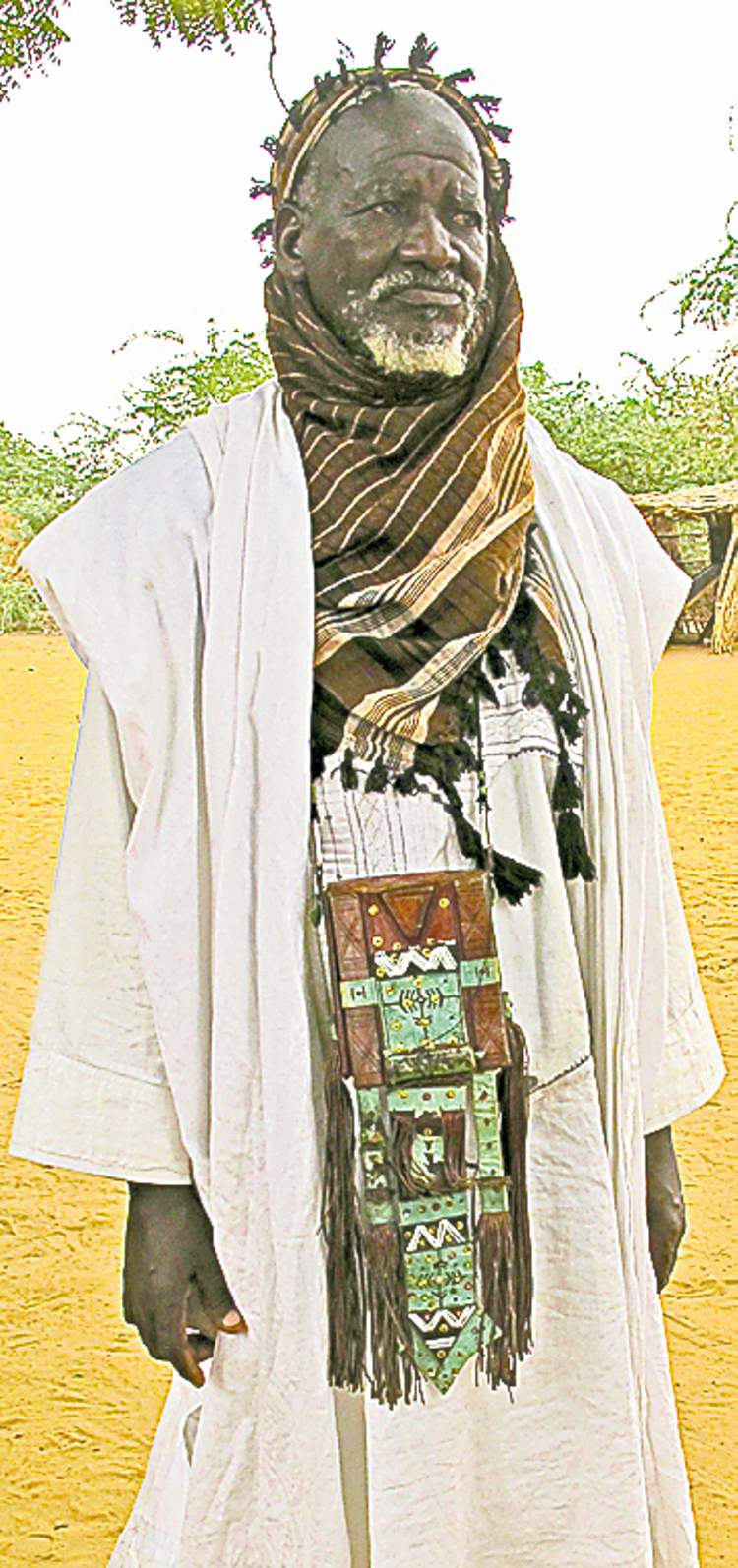
“The Tuareg are very prideful. They used to be kings of the land. They controlled the trade routes. They had it all,” explained the worker, requesting anonymity due to her organization’s security policy. Conventional employment and sedentary farming do not jibe with the Tuareg lifestyle, she said.
“As a result, the Tuareg have not adjusted well to the fact they’re in a different position. They’re pretty much 30 years behind when it comes to education.”

Progress, however, is being made. Niger now has a Tuareg prime minister, Brigi Rafini, and Tuareg leaders no longer lament the end of the nomadic past.
“Before, the Tuareg didn’t believe in school. Now, we’re getting trained,” said Moussa Issa, chief of the Tuareg village of Tagentassou, speaking through an interpreter. “The prime minister is a Tuareg. We have educated leaders. And we are getting along with everyone well.”
In a nation where peaceful coexistence between groups appears to be a societal norm, this is no small measure of success.
bartley.kives@freepress.mb.ca