New hope for down and out
Advertisement
Read this article for free:
or
Already have an account? Log in here »
To continue reading, please subscribe:

Digital Subscription
One year of digital access for only $205*
- Enjoy unlimited reading on winnipegfreepress.com
- Read the E-Edition, our digital replica newspaper
- Access News Break, our award-winning app
- Play interactive puzzles
*First annual payment billed as $205.00 + GST for one year. This annual subscription will automatically renew at $233.00 + GST every 52 weeks (10% off the regular annual price of $259.35). Offer available to new and qualified returning subscribers only. Cancel any time.
To continue reading, please subscribe:
Add Free Press access to your Brandon Sun subscription for only an additional
$1 for the first 4 weeks*
- Enjoy unlimited reading on winnipegfreepress.com
- Read the E-Edition, our digital replica newspaper
- Access News Break, our award-winning app
- Play interactive puzzles
*Your next Brandon Sun subscription payment will increase by $1.00 and you will be charged $17.95 plus GST for four weeks. After four weeks, your payment will increase to $24.95 plus GST every four weeks.
Read unlimited articles for free today:
or
Already have an account? Log in here »
Hey there, time traveller!
This article was published 30/04/2014 (4472 days ago), so information in it may no longer be current.
A community task force’s action plan to end homelessness in Winnipeg over the next decade — not just manage it — is the right approach to a complex and hugely expensive problem.
It’s roughly based on similar efforts in cities across Canada where homelessness has been reduced through increased funding and a collaborative approach involving all levels of government, the private and non-profit sector, community foundations and others.
Until now, the problem has been tackled in piecemeal fashion, with individual agencies and shelters operating independently and seeking funding for their own needs.
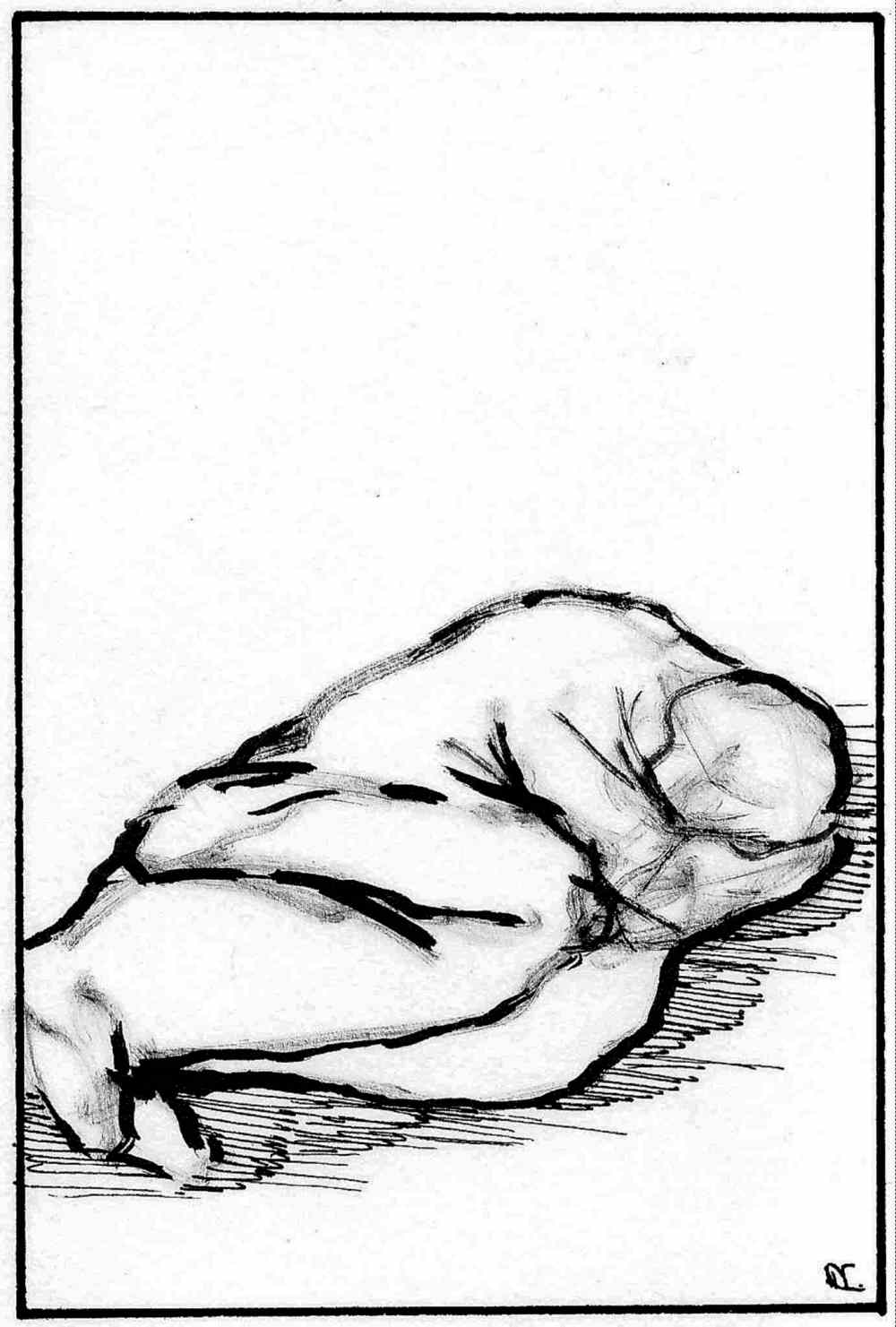
The result has been an appalling lack of detailed information about a major social problem. Individual shelters, for example, know how many people they serve each night, but there’s no data on how many were turned away because there was no room, or how many are using multiple shelters.
Some of the down and out may have two case workers from separate agencies, while others have none. There is no data on how many people are sleeping under bridges or in abandoned buildings.
The task force plan would co-ordinate the information from all agencies and government departments, establishing a database on everyone who needs help. Funding and services would also be co-ordinated by a single non-profit group. There is no budget yet, but the new agency would probably need at least five workers, while cash would be needed for operations and services.
The challenge is not the concept or the unknown price tag, but the determination of the partners, particularly the three levels of government, to remain committed in the face of shifting demands and priorities on the public purse.
Social programs are always vulnerable whenever governments are looking to trim spending and balance budgets, the top priority of the entire public sector at the moment.

Some successful programs, such as the Housing First model that has been very effective at helping the homeless, are even now at risk of losing their financial support because they were funded on a temporary basis.
The case for ending homelessness, however, is powerful. Various studies have shown the annual cost of homelessness in Canada is between $4.5 billion and $7 billion, including the cost of shelters, health-care, police costs, the burden on the criminal justice and corrections systems, and so on. Homeless people have also created the impression that downtown Winnipeg is unsafe and unsavoury, a perception that has an enormous effect and cost on the city’s efforts to revitalize its core.
Politicians tend to focus on short-term priorities, but ending homelessness is a long-term goal that would yield significant savings for taxpayers. The commitment to end homelessness, then, must transcend partisan politics.
An equally powerful argument for ending homelessness is that it is an affront to our commitment to human dignity. The downtrodden are victims, many of them are suffering, and are entitled to be treated with much greater respect.
It is also unacceptable a high percentage of homeless are aboriginal people, particularly in a city that is about to become a centre of human rights advocacy when the Canadian Museum for Human Rights opens this fall.