

Hamilton, former co-chair of AJI, dies
Advertisement
Read this article for free:
or
Already have an account? Log in here »
To continue reading, please subscribe:

Digital Subscription
One year of digital access for only $205*
- Enjoy unlimited reading on winnipegfreepress.com
- Read the E-Edition, our digital replica newspaper
- Access News Break, our award-winning app
- Play interactive puzzles
*First annual payment billed as $205.00 + GST for one year. This annual subscription will automatically renew at $233.00 + GST every 52 weeks (10% off the regular annual price of $259.35). Offer available to new and qualified returning subscribers only. Cancel any time.
To continue reading, please subscribe:
Add Free Press access to your Brandon Sun subscription for only an additional
$1 for the first 4 weeks*
- Enjoy unlimited reading on winnipegfreepress.com
- Read the E-Edition, our digital replica newspaper
- Access News Break, our award-winning app
- Play interactive puzzles
*Your next Brandon Sun subscription payment will increase by $1.00 and you will be charged $17.95 plus GST for four weeks. After four weeks, your payment will increase to $24.95 plus GST every four weeks.
Read unlimited articles for free today:
or
Already have an account? Log in here »
Hey there, time traveller!
This article was published 30/07/2014 (4393 days ago), so information in it may no longer be current.
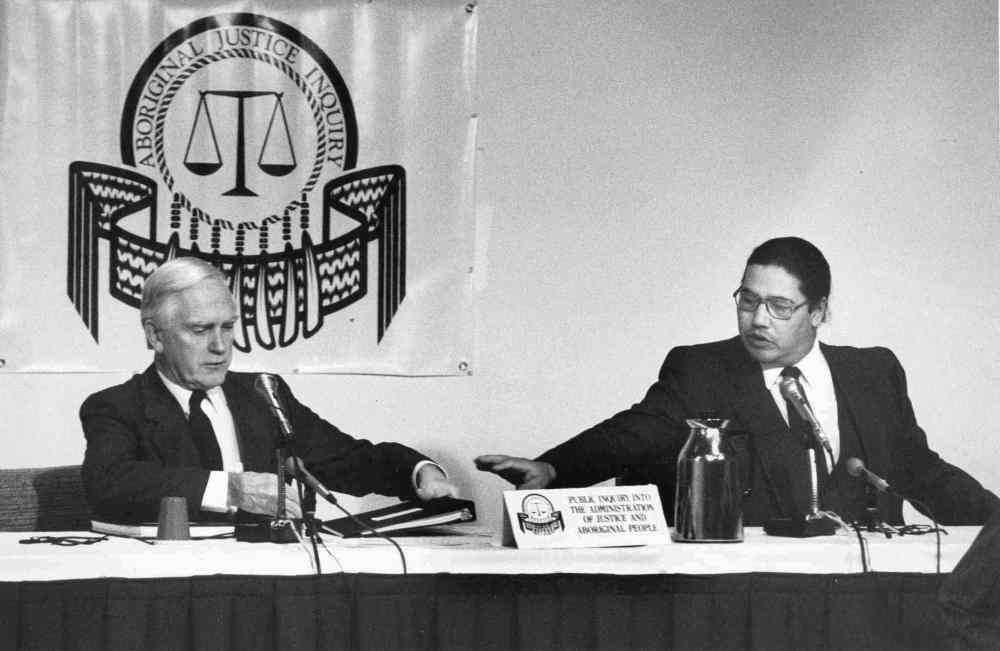
Alvin Hamilton, the widely-respected judge who co-chaired Manitoba’s historic Aboriginal Justice Inquiry, has died following a lengthy illness.
He was 87.
Although born to relative privilege, Alvin Chown Hamilton would grow up to be a champion of the oppressed and underprivileged.
His father, Frank, was a Juvenile Court judge, and the River Heights-raised son would follow his dad’s career path, beginning in 1951, when the younger Hamilton was called to the bar.
While articling in Dauphin, Hamilton would meet Lorna Hasselfield, his future wife of 62 years. The couple would go on to live in Roblin, Melita and Brandon, where, early on, Hamilton demonstrated his caring for aboriginal people by helping to establish an Indian-Métis Friendship Centre in the Western Manitoba city.
In 1963 Hamilton ran for the Liberals in Brandon-Souris and was a Pierre Trudeau supporter and delegate at the 1968 Liberal Convention that elected the future prime minister as party leader.
Twenty years after moving home to Winnipeg as a Court of Queen’s Bench Judge, the now white-haired Hamilton and relatively recently-appointed aboriginal judge Murray Sinclair, co- delivered the two-volume AJI report. The outgoing NDP government of Howard Pawley had established the inquiry two years earlier in the aftermath of the city police street-shooting of Aboriginal leader J. J. Harper and the 1971 murder of aboriginal teenager Helen Betty Osborne in The Pas.
The report would succinctly summarize its findings about the unbalanced relationship between Manitoba’s Aboriginal people and the justice system in its opening two sentences.

“The justice system has failed Manitoba’s Aboriginal people on a massive scale,” Hamilton and Sinclair wrote. “ It has been insensitive and inaccessible, and has arrested and imprisoned Aboriginal people in grossly disproportionate numbers.”
The co-commissioner’s wide-ranging report would go on to be widely studied and make a series of recommendations, including a call for the legislative recognition of Aboriginal self-government and the establishment of an Aboriginal justice system.
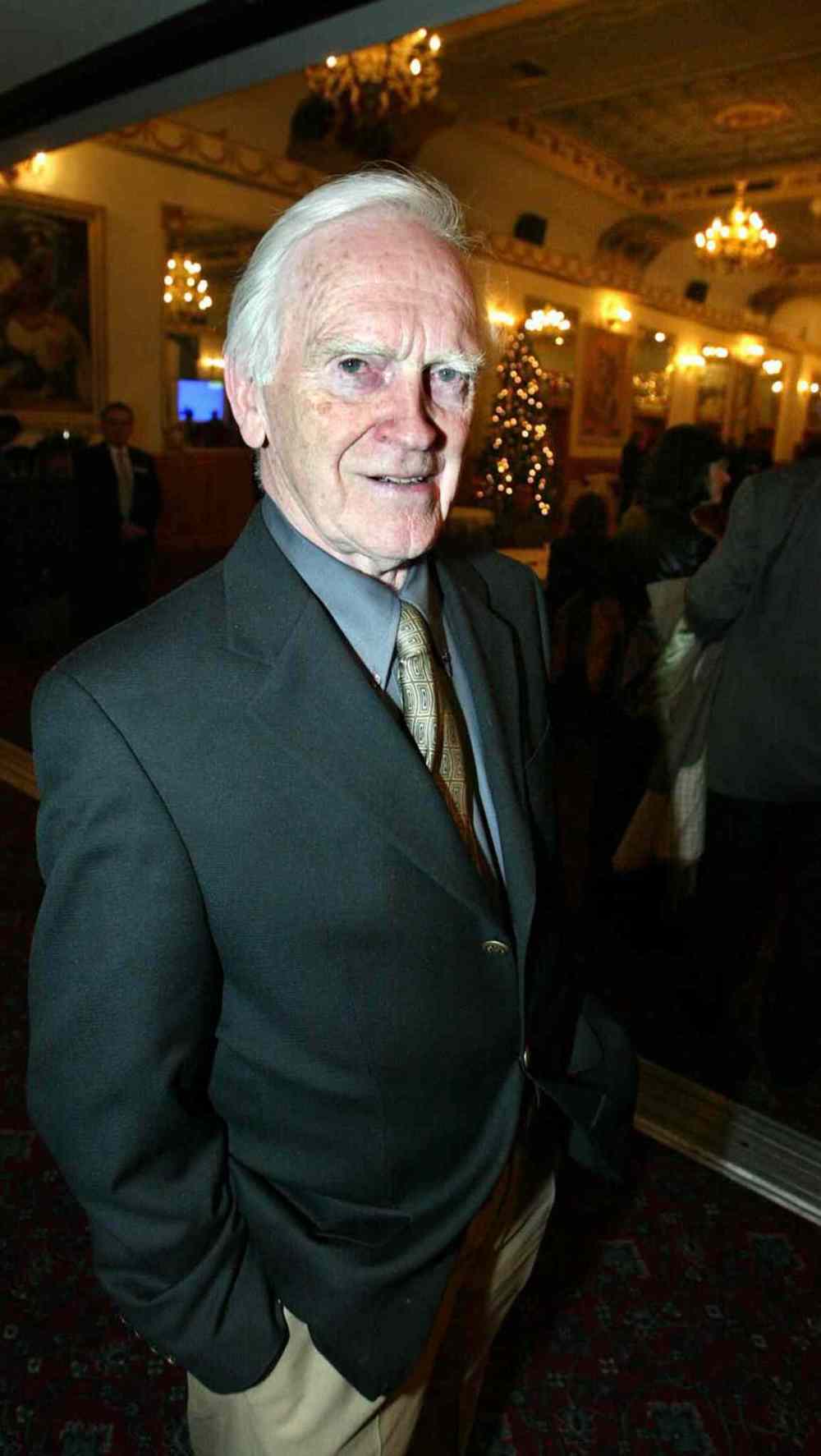
After his retirement from the bench two years later, Hamilton would author two books based on his judicial career, including one – The Feather and the Gavel — which offered his own, post-AJI view on the aftermath of the report.
Al Hamilton’s lifelong work in and contribution to the profession was celebrated in 1996 when the University of Manitoba gave him an Honorary Doctor of Laws.
His funeral service will be held Friday at 2 p.m. in Charleswood United Church.