

The name says no, their careers say ‘oui’
Le 100 Nons remains a powerful incubator for francophone music
Advertisement
Read this article for free:
or
Already have an account? Log in here »
To continue reading, please subscribe:

Digital Subscription
One year of digital access for only $205*
- Enjoy unlimited reading on winnipegfreepress.com
- Read the E-Edition, our digital replica newspaper
- Access News Break, our award-winning app
- Play interactive puzzles
*First annual payment billed as $205.00 + GST for one year. This annual subscription will automatically renew at $233.00 + GST every 52 weeks (10% off the regular annual price of $259.35). Offer available to new and qualified returning subscribers only. Cancel any time.
To continue reading, please subscribe:
Add Free Press access to your Brandon Sun subscription for only an additional
$1 for the first 4 weeks*
- Enjoy unlimited reading on winnipegfreepress.com
- Read the E-Edition, our digital replica newspaper
- Access News Break, our award-winning app
- Play interactive puzzles
*Your next Brandon Sun subscription payment will increase by $1.00 and you will be charged $17.95 plus GST for four weeks. After four weeks, your payment will increase to $24.95 plus GST every four weeks.
Read unlimited articles for free today:
or
Already have an account? Log in here »
Hey there, time traveller!
This article was published 30/11/2014 (4282 days ago), so information in it may no longer be current.
In the mid-’60s, while the rest of Winnipeg was boogalooing to the British Invasion sounds as interpreted by hundreds of local community club bands, an oasis of francophone music and culture was being nurtured in St. Boniface.
The brainchild of Collège St. Boniface teacher Antoine Gaborieau, who was determined to preserve the French language through music, le 100 Nons has grown from a tiny coffeehouse-style venue where young francophone artists could meet and perform into a permanent non-profit organization that organizes weekly concerts, recording opportunities, a rehearsal space and most of all provides support, encouragement and mentoring.
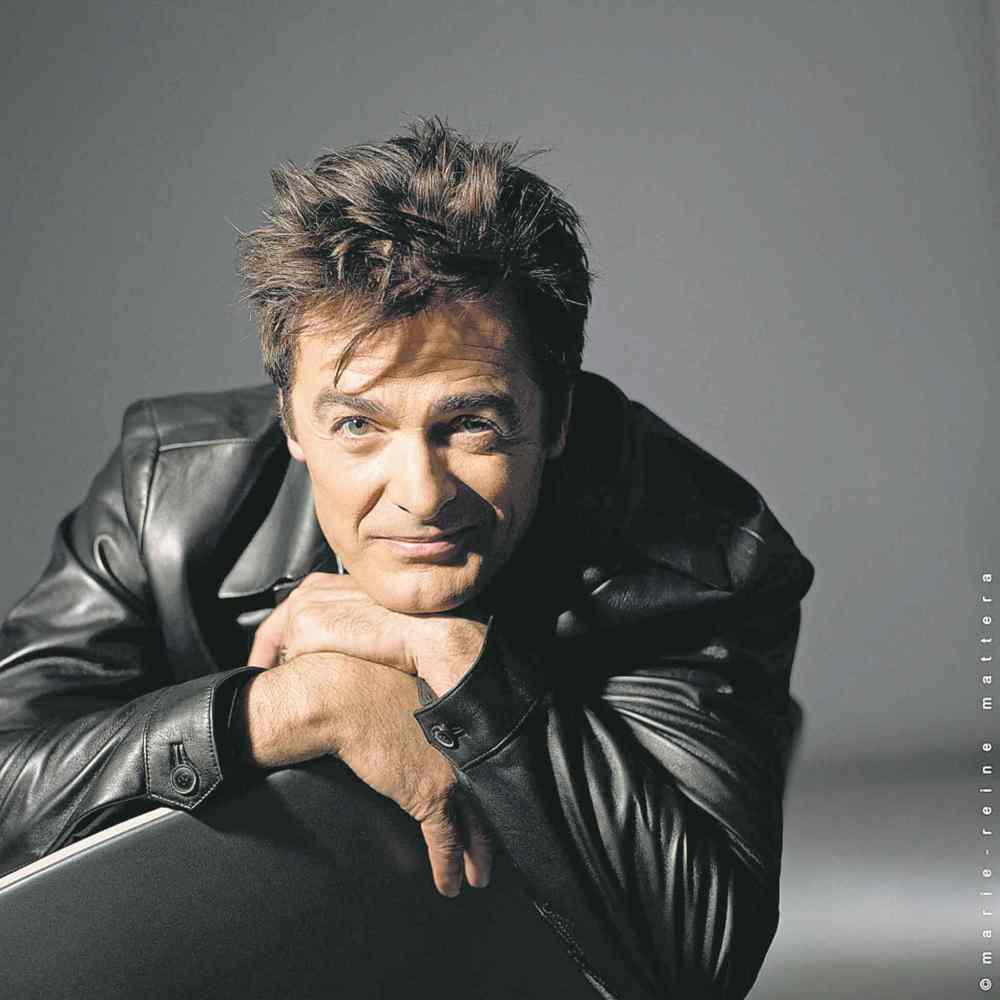
From humble roots, some of Manitoba and Canada’s finest francophone singers, songwriters and musicians have emerged. Among those is Daniel Lavoie. A superstar in both Quebec and France, Lavoie has sold millions of records and appeared on some of the biggest stages and concert halls in the world as both a solo performer and in rock operas such as Sand et les Romantiques and Notre-Dame de Paris.
Born and raised in tiny Dunrea, south of Brandon, Lavoie was first introduced to French music through le 100 Nons after entering boarding school at Collège St. Boniface as a teenager.
“There were two teachers trying to get us in touch with our culture,” he recalls. “French music was just starting to open up. It was a very interesting period. It didn’t touch anyone in the English part of Winnipeg because French music is very lyric-oriented, and if you didn’t speak the language, you would have thought it was silly music, but for us there was some good stuff happening.”
This was the beginning of le 100 Nons, named by Gaborieau as a play on words for the fact that the students involved initially had rejected dozens of names (100 noes) for the informal club and sans noms, or no name.
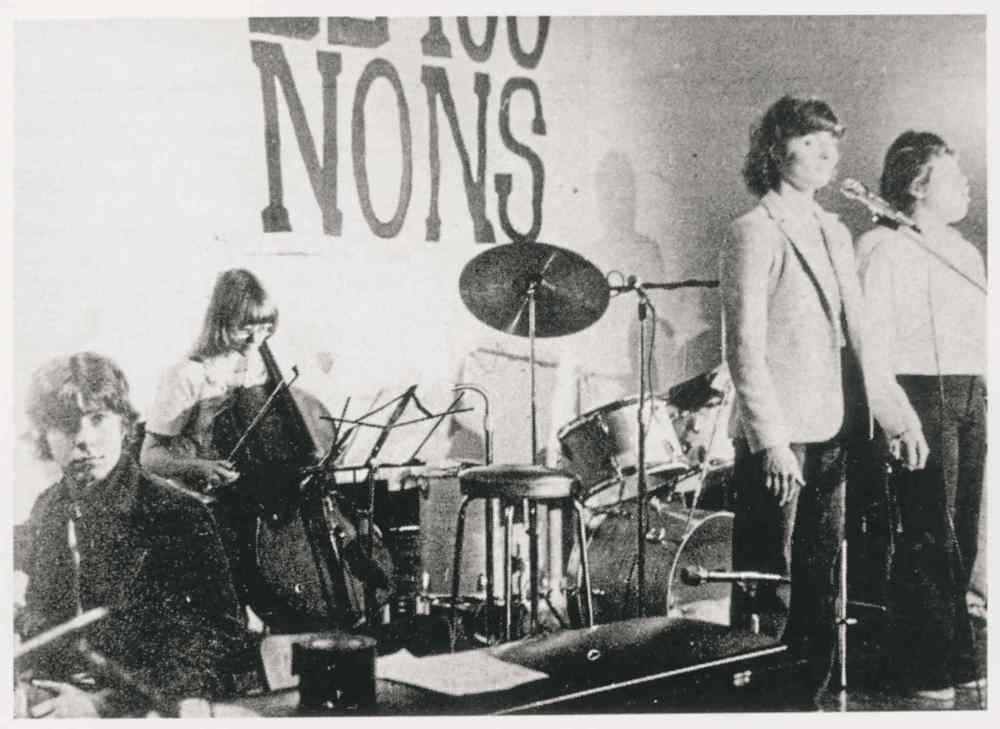
In October, 1967, le 100 Nons formally opened its doors in a converted third-storey sewing classroom in the Académie St-Joseph on Avenue de la Cathédrale. Lavoie was tasked with finding the fledgling organization a suitable piano. His choice became the legendary le 100 Nons’ white piano that served hundreds of francophone musicians for several decades.
That same year, Lavoie’s ensemble travelled to Ottawa to compete in the Jeunesse Oblige francophone music competition sponsored by CBC Radio Canada.
‘We have a long history, but le 100 Nons is still relevant. We still have a long list of young artists. The organization continues to reinvent itself. The francophone population in Manitoba is changing, and we’re getting hip-hop, rap and gospel elements in the music. The future is as exciting as our past’
— Aimé Boisjoli, director, le 100 Nons
“To participate, you had to have a singer/songwriter in the group,” he remembers. “So I wrote a song and sang it, and we won.
“I suppose that le 100 Nons was the determining cause for my deciding to not only make French music my life, but music period,” states Lavoie, who, in the early 1970s relocated to Quebec, where his career took off. “It is where I learned songwriting and came to know another dimension in pop music. Until then, it was Beatles and Elvis like everybody. After that it was also Léo Ferré, Brel, Vigneault, Charlebois, etc.”
“Le 100 Nons emerged from what was known as ‘boîte de chansons,’ which were informal concerts in church basements, town halls and schools throughout the francophone communities in Manitoba,” explains current le 100 Nons director Aimé Boisjoli, who first became involved with the organization in his teens playing in a rock band.
“There is a long traditional of musical get-togethers in these communities, including kitchen get-togethers. From that, Antoine Gaborieau created le 100 Nons. It allowed kids to sing and play in French. It didn’t matter what kind of music it was, as long as it was in French. It gave young musicians a chance to develop.”
Adds Gérald Paquin of Gerry & Ziz: “It was like a school for music presentation — writing, performing, production — but it was all in French. There was nothing like it anywhere else. It was like a clubhouse where we hung out. I think Gaborieau encouraged a generation of francophone kids to keep their culture, because we were being overwhelmed by the English culture around us.”
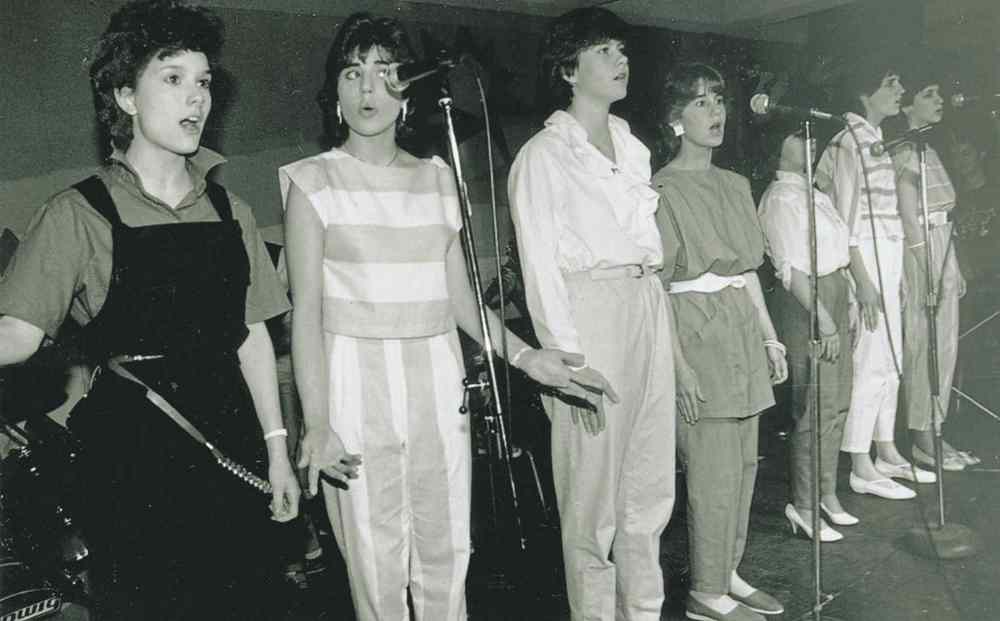
In 1973, Paquin became the first non-Quebecer to win the prestigious Granby Contest in Quebec with a song penned by Ziz Jean.
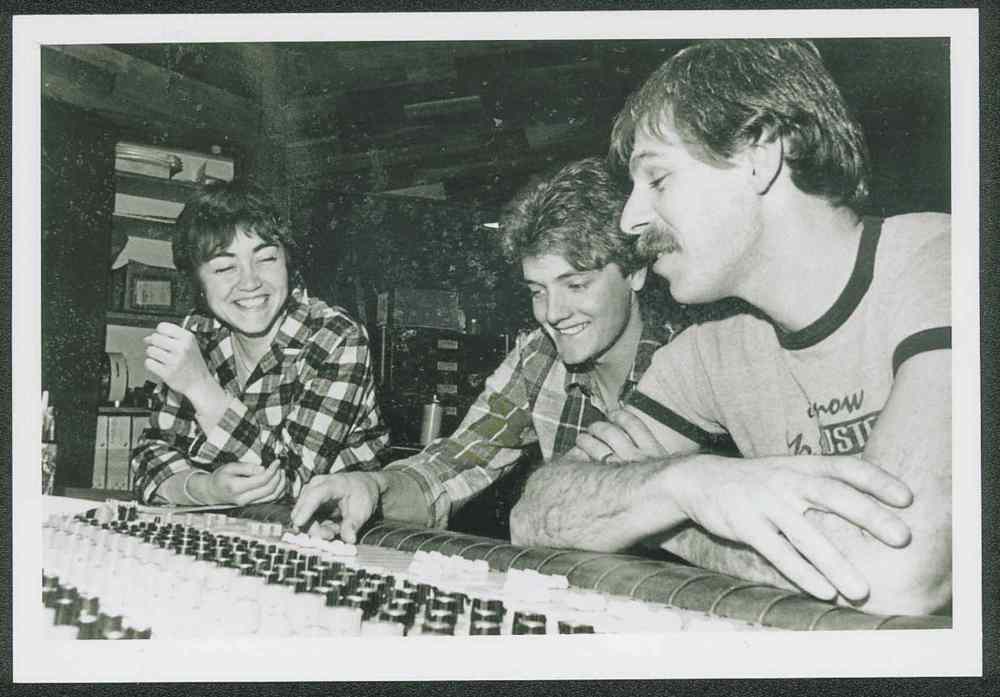
Well-known local musician and record producer Norm Dugas was the first music director of the organization, staging weekly concerts for both local performers and those coming in from francophone communities throughout the province. Those concerts were eclectic, involving everything from classical music and solo singer/songwriters to rock bands. Performers also had the opportunity to tour those same rural communities. Harmonica player extraordinaire Gérald Laroche recalls one of those concerts in his hometown of Powerview: “It was an afternoon concert at my school, and it included Gerry Paquin and Daniel Lavoie, and it inspired me to pursue a career in music. Up to that point, I had been listening to Led Zeppelin and the Beatles.”
Laroche moved to Winnipeg around 1978 and joined le 100 Nons. “It was the perfect place to learn your craft. It gave performers the opportunity to raise their profile and not have to start out playing in bars.” By the early ’80s, Laroche was touring nationally and internationally and continues to do so. “Le 100 Nons was the stepping stone that led me to where I am,” he acknowledges.
Singer Kelley Fry, who went on to a career in film production, credits le 100 Nons with giving her invaluable experience. “Le 100 Nons provided me with my first opportunity to produce a full show of my own in 1981,” she recalls. “Choosing music, getting musicians together to practise, being organized, setting up for the show and finally performing. I had a great time and learned so much about what it might take to do this professionally.”

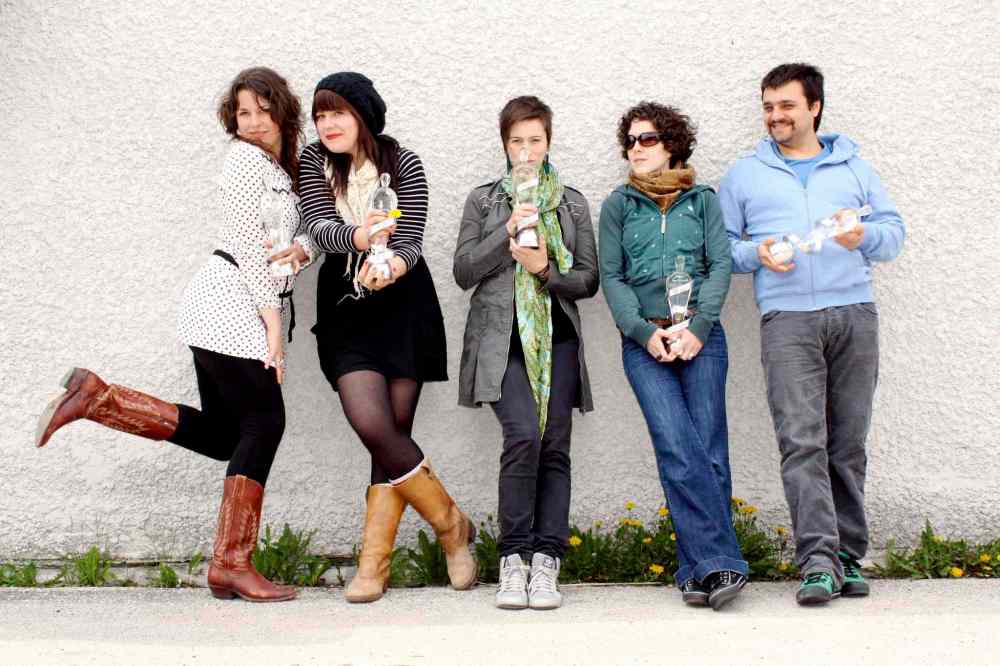
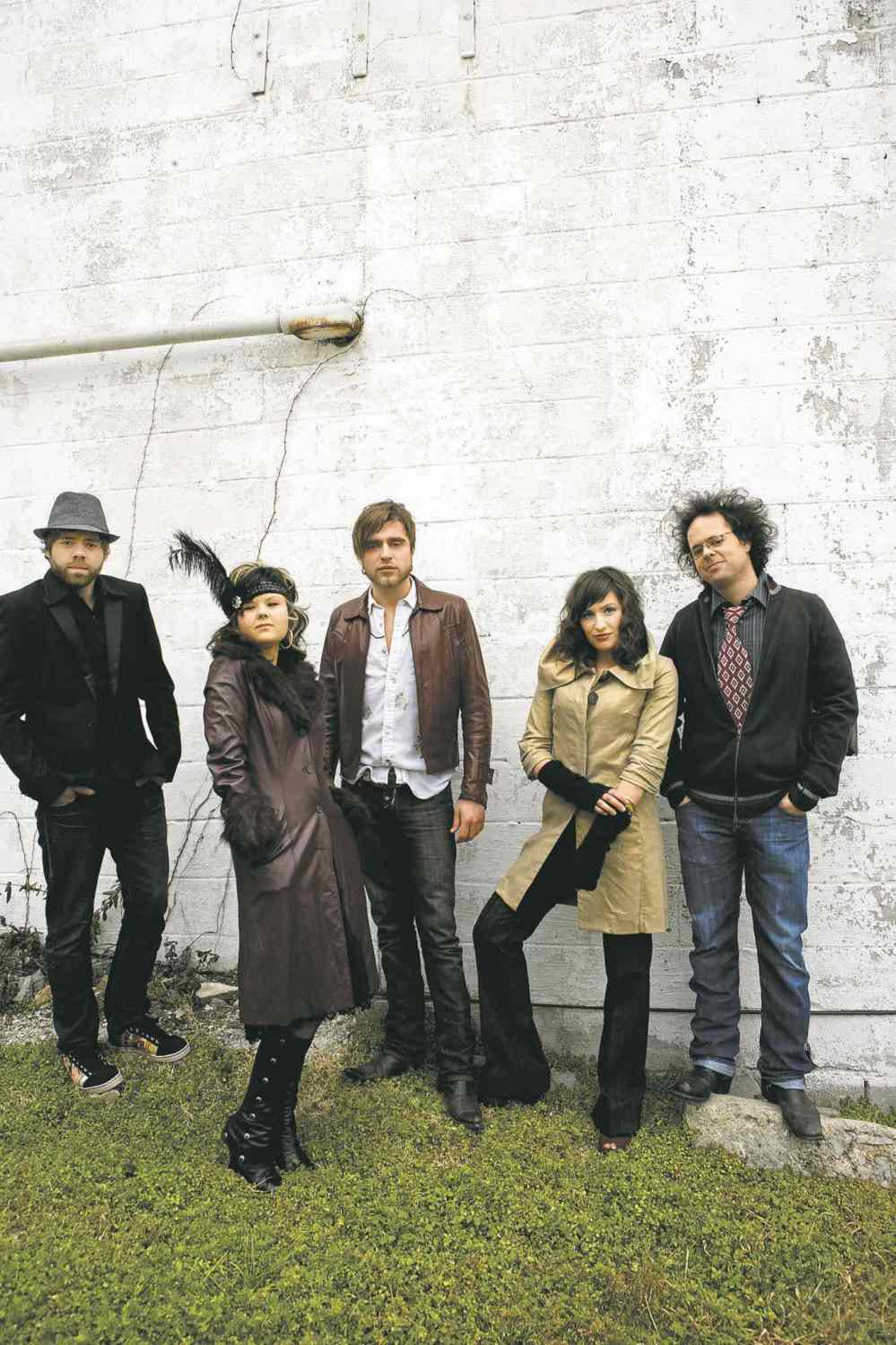
Funded by the federal and provincial governments, le 100 Nons, located in the Centre culturel franco-manitobain on Provencher Boulevard housing an office, performance space and an extensive music library, remains an important institution. “We have a long history,” notes Boisjoli, “but le 100 Nons is still relevant. We still have a long list of young artists. The organization continues to reinvent itself. The francophone population in Manitoba is changing, and we’re getting hip-hop, rap and gospel elements in the music. The future is as exciting as our past.” A new generation of Manitoba francophone performers including Michel Grégoire, members of Madrigaia and Chic Gamine, Sarah Dugas, Christian Dugas (both from the Duhks) and Annick Brémault (Norm Dugas’s children), Daniel Roa (Roy), Ariane Jean (daughter of Ziz Jean), guitarist Darren Savard, and Edmond Dufort continue to inspire young francophones. “In my teenage years, le 100 Nons was almost like a second home to me,” notes Chic Gamine’s Ariane Jean, “offering me a nurturing environment to create and grow as an artist.”
“Almost everybody who has performed in French in Manitoba has passed through le 100 Nons,” says Boisjoli. “We were incredibly lucky to have 100 Nons,” states Paquin. “It was such an incredible environment. I don’t think Daniel Lavoie would be what he is today without it.” Nor many other performers, as well. “If young people grow up hearing and participating in music in French, they grow to understand and appreciate the culture more,” notes Nicole Brémault.
“Le 100 Nons is a nice little jewel that continues to shine,” muses Laroche.
Sign up for John Einarson’s new 2015 Off the Record courses at mcnallyrobinson.com.
History
Updated on Sunday, November 30, 2014 12:44 PM CST: Replaces photo