

City puts bullseye on forest tent caterpillars
Advertisement
Read this article for free:
or
Already have an account? Log in here »
To continue reading, please subscribe:

Digital Subscription
One year of digital access for only $205*
- Enjoy unlimited reading on winnipegfreepress.com
- Read the E-Edition, our digital replica newspaper
- Access News Break, our award-winning app
- Play interactive puzzles
*First annual payment billed as $205.00 + GST for one year. This annual subscription will automatically renew at $233.00 + GST every 52 weeks (10% off the regular annual price of $259.35). Offer available to new and qualified returning subscribers only. Cancel any time.
To continue reading, please subscribe:
Add Free Press access to your Brandon Sun subscription for only an additional
$1 for the first 4 weeks*
- Enjoy unlimited reading on winnipegfreepress.com
- Read the E-Edition, our digital replica newspaper
- Access News Break, our award-winning app
- Play interactive puzzles
*Your next Brandon Sun subscription payment will increase by $1.00 and you will be charged $17.95 plus GST for four weeks. After four weeks, your payment will increase to $24.95 plus GST every four weeks.
Read unlimited articles for free today:
or
Already have an account? Log in here »
Hey there, time traveller!
This article was published 28/05/2015 (4091 days ago), so information in it may no longer be current.
City crews will beginning spraying trees in the north part of the city on Sunday to combat forest tent caterpillars.
Ken Nawolsky, Winnipeg’s superintendent of insect control, said the $100,000 effort will target the neighbourhoods of Margaret Park,Templeton and Garden City, where the infestation is most severe, and then move onto adjacent neighbourhoods.
Nawolsky said the forest tent moth is very mobile, travelling about 160-320 kilometres per season.
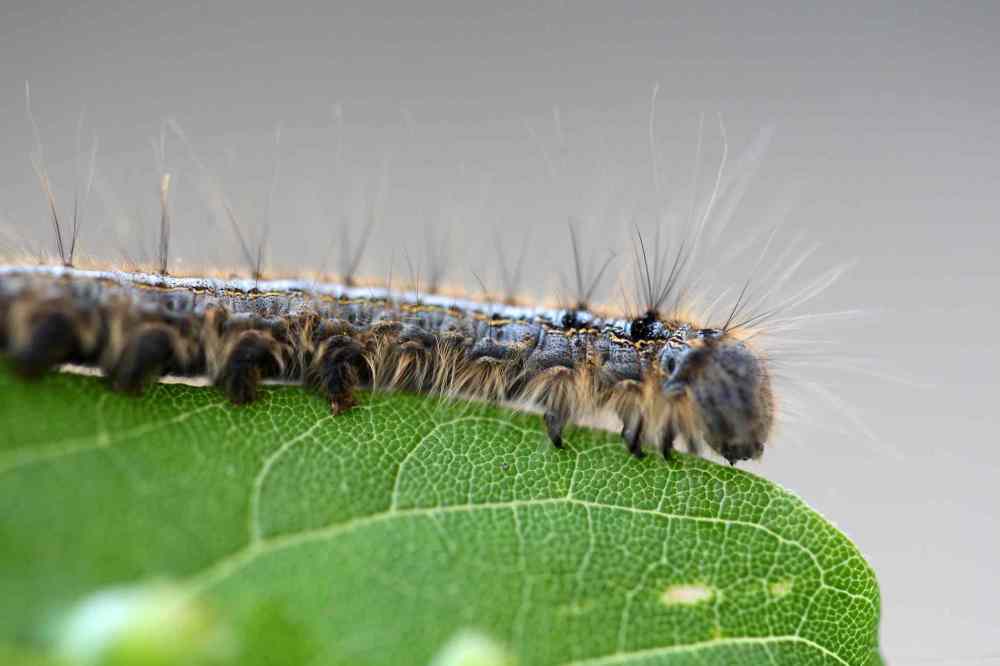
Last year, the Interlake was hit with the infestation, he said, adding the city wants to curtail the spread for next season.
“Next year, we expect them to be throughout all parts of the city,” Nawolsky said.
The forest tent caterpillar chews on tree leaves, with the tell-tale “shot-hole” appearance.
Nawolsky said the damage is unsightly but not fatal to trees, as leaves will re-emerge three weeks later. However, he said the loss of leaves does stress a tree and makes it more susceptible to disease and other insects in future years.
The forest tent caterpillar infestation hits in cycles, every 12-15 years, Nawolsky said. The last infestation in Winnipeg was 2002.
The city will spray boulevard trees with a biological, organic product — Bacillus thuringiensis var. kurstaki, commonly referred to as Btk.
The forest tent caterpillars eat the Btk, lose their appetite for the leaves and die two to three days later, he said.
Homeowners can spray their own trees, Nawolsky said, adding the spray is sold at most home and garden centres.
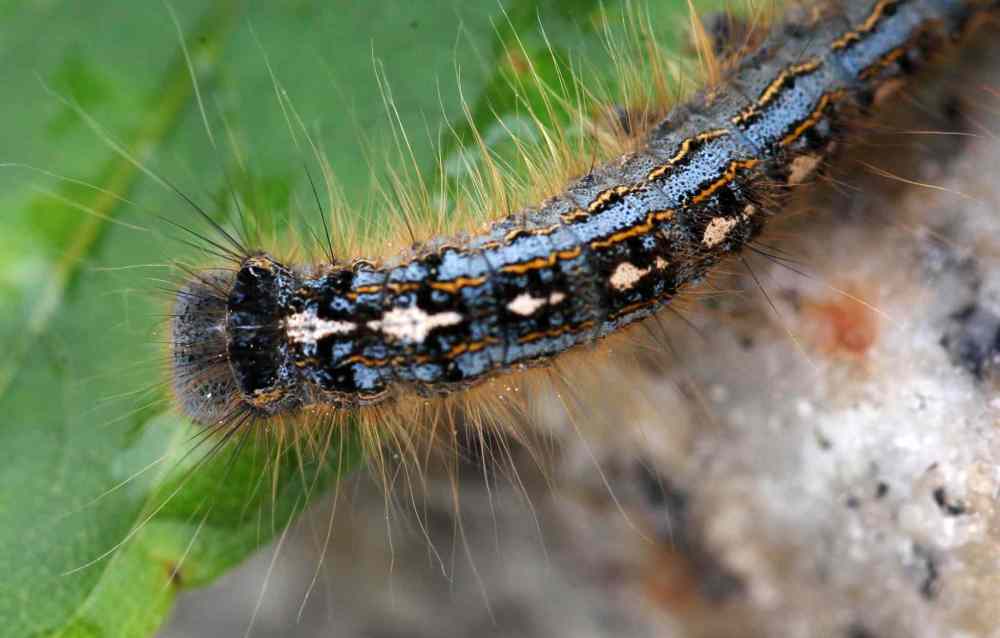

Homeowners can apply to exempt their property from spraying by contacting 311. There is a 30-metre buffer zone.
On the mosquito front, Nawolsky said the city completed its first round of larviciding 10 days ago.
Mosquitos should begin emerging next week, he said, but predicts it won’t be in such large numbers as was encountered last year.
aldo.santin@freepress.mb.ca
Related Articles
Battle with forest tent caterpillars continues tonight
Advertisement Advertise With Us
Advertisement Advertise With Us