

Family, love, triumph and tragedy
Manitoba's new lieutenant-governor reflects on a full life lived

Advertisement
Read this article for free:
or
Already have an account? Log in here »
To continue reading, please subscribe:

Digital Subscription
One year of digital access for only $205*
- Enjoy unlimited reading on winnipegfreepress.com
- Read the E-Edition, our digital replica newspaper
- Access News Break, our award-winning app
- Play interactive puzzles
*First annual payment billed as $205.00 + GST for one year. This annual subscription will automatically renew at $233.00 + GST every 52 weeks (10% off the regular annual price of $259.35). Offer available to new and qualified returning subscribers only. Cancel any time.
To continue reading, please subscribe:
Add Free Press access to your Brandon Sun subscription for only an additional
$1 for the first 4 weeks*
- Enjoy unlimited reading on winnipegfreepress.com
- Read the E-Edition, our digital replica newspaper
- Access News Break, our award-winning app
- Play interactive puzzles
*Your next Brandon Sun subscription payment will increase by $1.00 and you will be charged $17.95 plus GST for four weeks. After four weeks, your payment will increase to $24.95 plus GST every four weeks.
Read unlimited articles for free today:
or
Already have an account? Log in here »
Hey there, time traveller!
This article was published 19/06/2015 (4082 days ago), so information in it may no longer be current.
The first thing you notice when you walk into the foyer of the 90-year-old log home of Janice and Gary Filmon — the future lieutenant-governor and former premier, respectively — is a mannequin called Celeste.
On this day, Celeste is wearing a red wig, see-through red lingerie and a white shawl.
Janice Filmon proudly explains: “Her eyelashes are real.”
I didn’t even know what pizza was. I thought it was the funniest food ever.
— Janice FIlmon, on her first date with Gary FIlmon.
Um….
“It’s the fun of it,” Filmon continues, undaunted, explaining Celeste’s risqué apparel choice. (It’s midday, after all.) “A bit of whimsy. And there’s a lot of interesting stories.
Turns out, Celeste has a story herself.
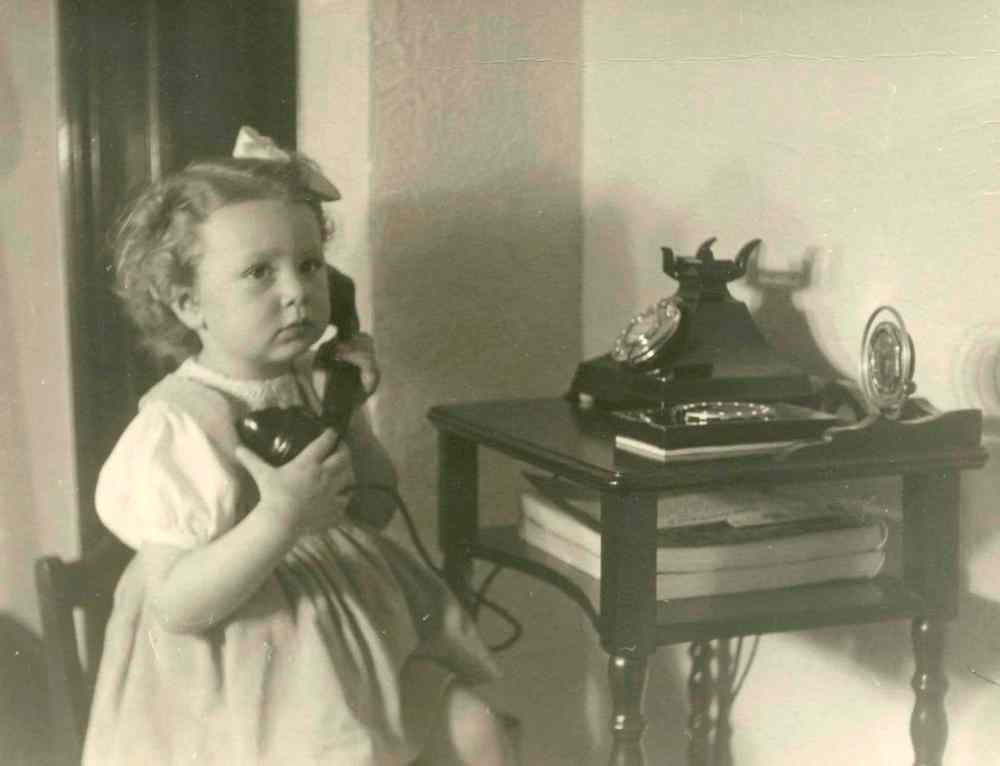
She was imported from England in the 1950s to display clothing for the Hudson’s Bay Co., where Janice Filmon’s (née Wainwright) father served as an executive at the time. She was bequeathed to Janice’s father and has never left the family.
The presence of a mannequin in flimsy lingerie in the Filmon home is a reminder that nothing is ever as it seems.
On Friday, Janice Filmon, 71, was installed as Manitoba’s lieutenant-governor. This is a woman who was raised in upper-middle-class, white-picket-fence suburbia by doting parents, raised four children, rubbed shoulders with the elite during her husband’s 11-year reign as premier, and will soon embark on a five-year term as the Queen’s representative.
At the kitchen table, her father, Harold, would ask his wife: “Marjorie, did anybody tell you you were beautiful today? No? My, they have poor eyesight, don’t they?”
“There was definitely leadership about him, that way that you honour, teach and do,” Janice recalls. “My girlfriends loved him. I think six of them asked him to give the toast to the bride at their wedding.”

But it has been a charmed life scarred by personal tragedy. She lost her mother, Marjorie, to breast cancer and then was diagnosed with the same disease at 46. Her daughter, Allison, died of cancer just two years ago. Filmon’s younger sister Judy died of dementia in 2014.
And this: On Good Friday 2009, Filmon was following her husband on a four-lane freeway outside Phoenix. It was dusk. The highway was jammed with holiday traffic travelling between 70 m.p.h. and 100 m.p.h. There was a light rain.
When Filmon swerved her rental car to avoid another driver, she over-corrected. A tire went into a concrete ditch and the car veered across four lanes of oncoming traffic and crashed into a concrete barrier. “I can still see missing a semi-trailer,” she recalls. “Families in cars.”
The impact of the collision broke three vertebrae. Filmon was in traction for a few months. The state troopers told her, “I don’t know if you know how lucky you are. Nobody gets away with this.”
“But I did,” she says. “Here I am.”
Yet even the heartache can conjure laughter.
Filmon tells the story of her breast-cancer surgery in 1989, when she was in hospital and could take a bath for the first time. But the sign over the tub said, “Clean after using.”
Since her husband has just been elected premier the year before, Filmon was not about to get caught up in what she envisioned as potential scandal.
“I could see what the headline would read: ‘Ring Around the Tub With Janice Filmon! Who does she think she is?’ ” she explained. “So there I was, down on my hands and knees with my (drainage) tube flung over my shoulder and cleaning the bathtub.”
She laughs now. At the time, however, 35 radiation treatments followed, then chemo. “And here I am.”
That might explain Celeste. She’s still here, too, with silver shoes that are nothing more than duct tape. “That’s the creative part of my husband,” Filmon allows.
Not long ago, on Valentine’s Day, Filmon draped Celeste with a silk chiffon dress she describes as “half-past pink and a quarter to red.” It was a dress that Harold Wainwright bought for his young daughter years ago, on the advice of a sick wife who said, “Go buy Janice some nice things.”
How did Celeste look?
“She was stunning,” Filmon replies. “It was dynamite.”
One of Janice Filmon’s favourite mantras is “The word ‘yes’ is the mother of all possibilities.”
We asked to sit down with her in her log home, along the Assiniboine River, for a chat prior to her instalment as Manitoba’s second female lieutenant-governor in 145 years. She said ‘yes.’
***
FP: It seems like you had the idyllic Father Knows Best childhood. Garden-party notices in the paper. Home-economics clubs. Is that fair to say?
JF: I think you’re right. I was wanted, I was loved. I had a dad who thought girls were the neatest thing who ever walked. Two memories come to mind.
We could be walking down the street somewhere and he’d put his arm around me and say, “Do you know how proud I feel walking down the street with you? I never knew I’d have this chance.”
And I remember in our home on Cordova and… my dad coming up and saying, “Janice, come over to the window for a moment. What do you see?” And I’d say, “I see a house next door and a tree and a yard.” And he said, “Yep, you should know your mother and I are very proud to raise you girls in a place where you’ve got grass to play on and you can go out in the street and be safe.”
Those are things you don’t even know when they’re happening that they stay with you like Velcro. That is how I grew up.
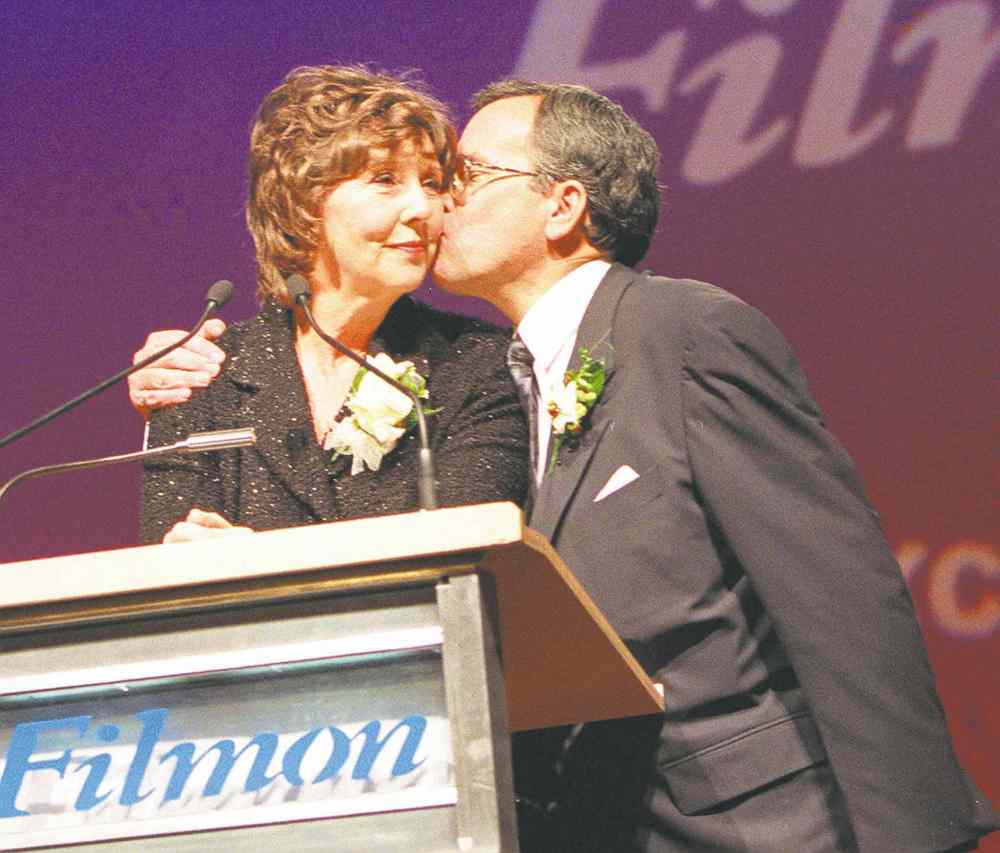
FP: You mother was diagnosed with cancer at 48, when you were just a teenager. What do you remember?
JF: That six years was a pretty impactful, powerful time. A lot of time spent in the hospital. I would leave school at noon hour (then Mulvey School, across from Misericordia) see my mom and go back to class. Then I would go see her after school, then take the bus home. My job was to start the evening meal to be ready for my father and my sister coming home.
I can always remember Dad and I parked (outside the hospital) — it was after the diagnosis and now there was going to be the first operation. And at that time you don’t know when they go in exactly what they’ll find. I remember going into the hospital and going up to the waiting room. and at that time Reader’s Digest or Time magazine used to have a little quote on different pages at the bottom. I was thinking, “I’m going to memorize something today that I’m going to remember for the rest of my life.” And that quote was, “Don’t mistake activity for achievement.” As if it happened yesterday.
That was just the beginning. After that it was just operation after operation. Incredible disfigurement. I was at home when mom got the call that she was going into the hospital. And I thought — there wasn’t palliative care, this was the early ’60s — this is good. Mom is in so much pain and we can’t help her anymore. I said, “Mom, this is great. You’ll be able to go in and they’ll look after you.” She just started to cry. I guess she knew she was never coming home. I didn’t.
(Unsuccessfully holding back tears) I guess you grow up, right?
FP: What lessons did your parents teach you?
JF: They passed on, without question, the importance of family. Work hard. My dad would walk in after I was studying and say, “Is this really the best you can do?” There was always that question. And then there was a real… importance of being involved in the community. If you’ve got your health and are lucky enough to be born here, then you have a responsibility to participate. Both my mom and dad volunteered. So that ethic of community service was always there.
FP: Tell me about the first time you met this Gary Filmon fellow, and your first impressions. Remember, you’re under oath.
JF: Well, we met at university. It was a football-exchange weekend that I will go into NO details about. I met him on the train (to Saskatoon). He was polite. And I guess what was most impressive was that the following Monday — you know how you can be in these big groups that nobody will remember anybody, right? — and our paths crossed on campus and he said hi and knew who I was. And I thought, “Hmmm.” He was actually at the time going out with a gal that I knew — very tall and attractive — and I remember saying to her, “He is really neat. You should hold on to him.” But that didn’t happen. (Laughs out loud)
FP: Where did you go on first date?
JF: We were at a party (in 1962). We didn’t even go together, but he invited me to a pizza place after. I didn’t even know what pizza was. I thought it was the funniest food ever. Because if you’ve never seen it, why would you get excited about it? I now know that he (Gary) will look for pizza whether we’re in China or wherever. It’s his favourite food.
FP: You were married the next year, Nov. 9, 1963. You didn’t mess around in those days.
JF: No, we didn’t. That was it. We knew what we were doing. Onwards and upwards.
FP: What did you envision as your life together?
JF: Probably pretty simple. That we would have a home, we would have children. I felt very strongly — and this is just me, not passing judgement — I knew I wanted to be at home. I’d worked worked at Children’s Aid and family protection and I wanted to be at home if we had children. I knew I would love doing that, and I did. I mean, I could have had 10 kids.
FP: What did you do specifically in Children’s Aid?
JF: I would deal with unmarried mothers. I would go to adoption conferences where there was the other side of it, with couples wanting to adopt. Family protection was where the calls would come in and you’d have to assess the situation and often you’d have to apprehend kids, take them into care. They would be in foster homes for whatever time because either you’re going to have a family reunification or you’re going to find out what the problems are and what those children need.
FP: You grew up in a totally different environment. Were you ready for that reality?
JF: You start developing yourself and who are you and what are you doing. I was certainly more of a people person, more of a helper. I mean, after graduating university I was trying to decide whether to go into social work or fashion advertising. How far apart could those be, right? I felt motivated, moved to work in that area.
FP: How did that inform you?
JF: I learned a lot. I saw the underbelly to the city. But I don’t know if you know all these things at the age you’re at then. Don’t you have to, through life, come along and say, “What is it?” It’s like at mid-life you know what’s true. I mean, you know about love and devotion and success and failure and faith or belief in things you cannot see. But you have to put on a few miles to get there. I was in the right place.
(Filmon then recites the births of her children David, Gregg and Allison, “and we adopted our fourth child [Susanna], but I don’t know if you have to put that in there. There’s a lot of reasons why I’d suggest you not. That was a very difficult thing through public life.”)
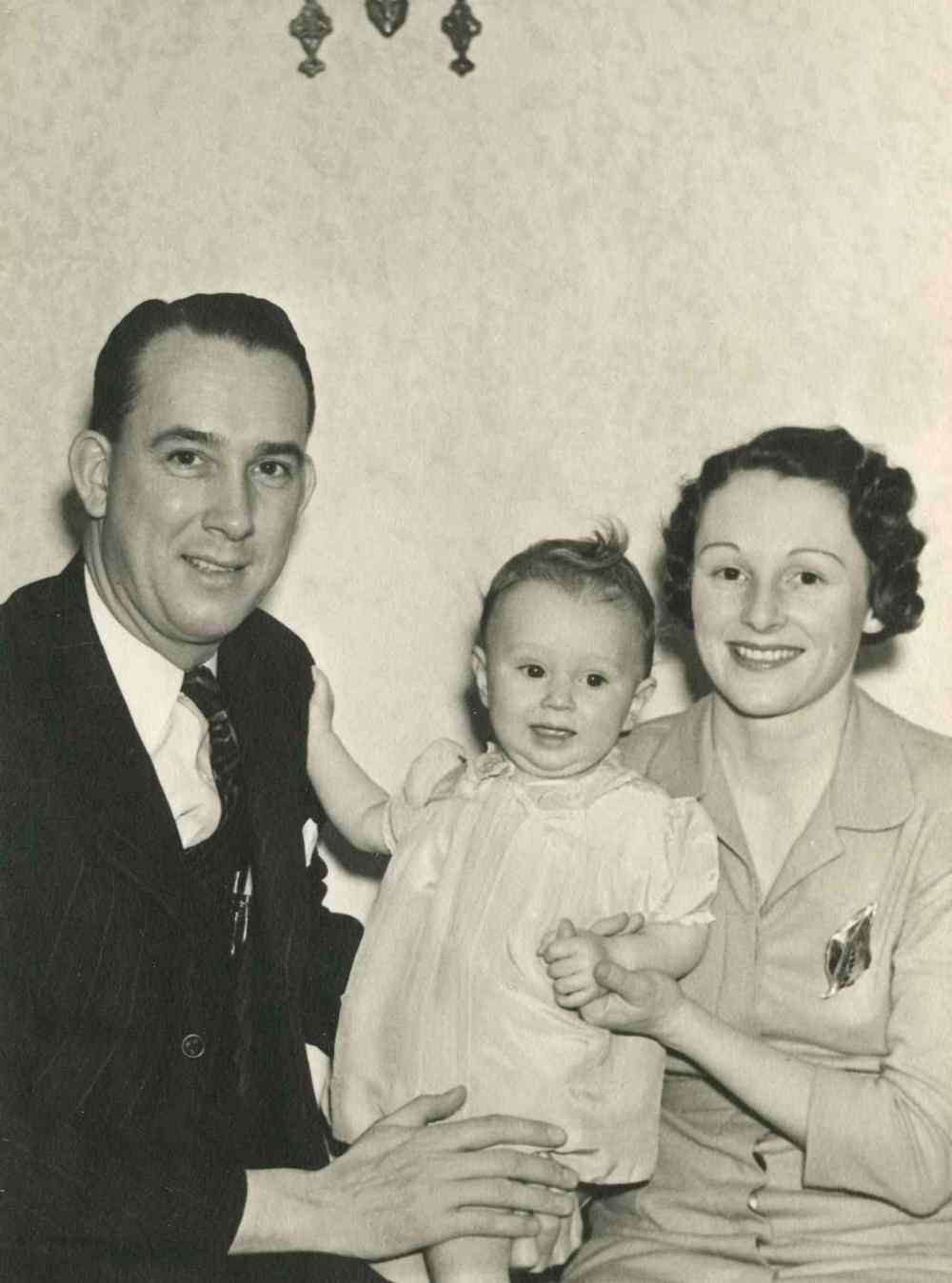
FP: You don’t want it mentioned that Susanna was adopted? But that’s public record.
JF: I don’t think you want to be labelling people and separating them out from the rest of the family. You work your whole time to integrate and have a unit be like so. Why would you want to put a label on this one?
FP: It was more about the threads that run through people’s lives. I was wondering if your work in social services led to deciding to adopt.
JF: That’s a good question. You’re absolutely right. One of my life goals was always to adopt a child. And I didn’t think we should take a baby, because of couples who, for whatever reason, it wasn’t happening and they couldn’t have a baby. We could take an older child and older children are always harder to find a home for. There’s just no question about it.
FP: But you don’t like the word “adopt?”
JF: No, I wouldn’t say that at all. It’s a label. I’m coming at it to say here we are, a family of four kids. And for the record, we have three natural-born and one adopted, right? So people are always curious. And after you get an article (in the paper) you’ll be standing in line… I’ll never forget I was at Fabric Land and a woman said, “Oh, you’re Janice Filmon. I hear you have an adopted child.” And you want to say, “Yes, she wasn’t vaginally delivered (by me), but she’s an important part of our family.” People are very curious of adopted kids.
FP: This is the beauty of a Q and A. I loved the way you explained that. I’m sure a lot of parents think that, but I’ve never heard it explained like that before.
JF: You work so hard to get rid of that label. But it is what it is.
FP: How did you get into politics? You married an engineer, not a politician.
JF: You’re right. Gary was in business with my dad (Success Business College) and there was a policy that the (city) government had that was absolutely wrong-headed. So he started to make some inquiries. But to make a long story short, wherever he was calling, they started to say, “Well, who are you? Maybe we could take you out to lunch.” And so he did, and when he came home and told us they were talking about the possibility of him running for politics… well, you could have bowled anybody over. This was Gary Filmon, the engineer. Now we’re going to do this?! Holy cow!
Finally, I said, “I’m not ever going to tell you not to do this. I don’t want you EVER to come back to me and say I wish I had, or a had a chance. What I will tell you is we (the family), we’re here before everybody else. And if you make all the right decisions, you won’t be hearing from me. If you don’t, then I guess I’m going to have to walk heavy. Because I think we deserve to have some of you.” That was our bottom-line discussion in a nutshell.
Life is about choices. You have a lot of choices, in terms of your attitudes and your actions. And timing.
— Janice Filmon
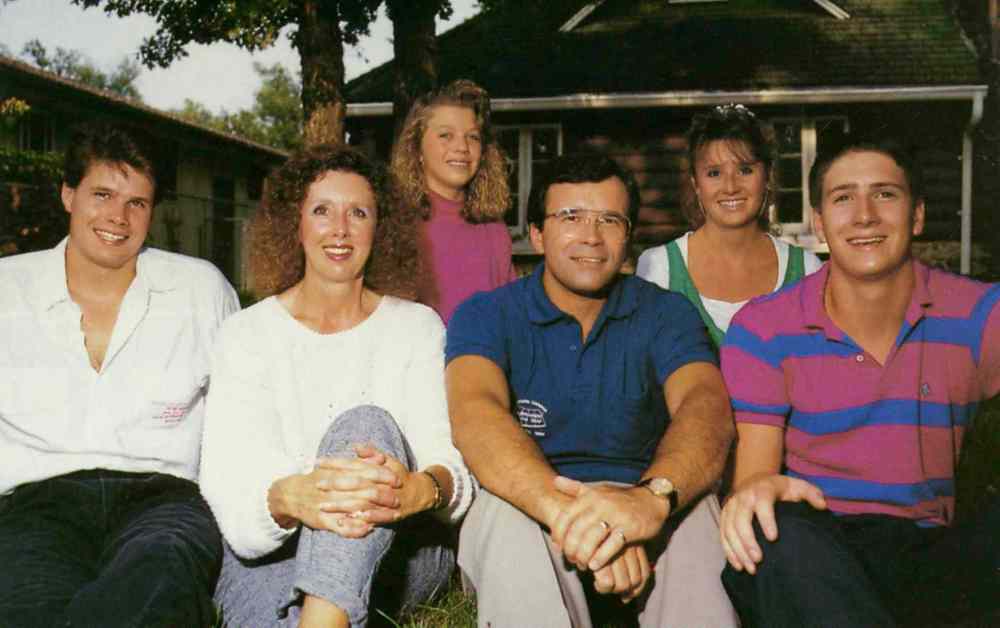
FP: What do you mean about right decisions?
JF: I mean the amount of time he would stay away, where he would go, what he would do. The community can consume you. Politics can consume you. At some point, you have to have some ability to be able to say no. Or “this is non-negotiable.”
FP: What did you like about politics the most?
JF: Oh, I loved meeting the people. And I loved learning. In some ways I felt I was in the living room of the world. One night you could be hearing about mining, then it could be foster parents. You started to get this smattering, like a menu of all these things. But let’s make it clear. My job was being the glue for the family. Gary had his job. It was the volunteer sector that gave me the opportunity to participate in the community and have flexibility.
FP: What did you dislike about politics?
JF: (Hesitates) I don’t tend to think in those terms. Remember, I didn’t have any control of the input. I didn’t read the newspaper. And I didn’t listen to the news, so I could go about my life knowing what I was supposed to do. And if I meet someone, I would treat them the way I would. It served me very well. When I look back, with four kids and what was going on in their lives and my own volunteer career, I didn’t really have a lot of time (for politics). It wasn’t visceral for me. I’m not political. If you want to volunteer your time and give the very stuff that life is made of? Boy, am I grateful. Let’s get ’er done. I’m very simple, I guess.
FP: Tell me about when you first got diagnosed with cancer.
JF: What can I tell you? It took me back. My mom was 48 and died at 54. I was 46, right at the height of everything Gary was doing and the kids. Part of it for me was, “Oh, my golly.” Then it was just something from the inside that said, “I’m a different person (from my mother). This is a different time. This is not going to get me.” I remember Gary and I sitting on the sofa and me having to say, “I know what my plan is for how this is going to go, but should it go another way, you’re way too young. You’ll need to find somebody else.”
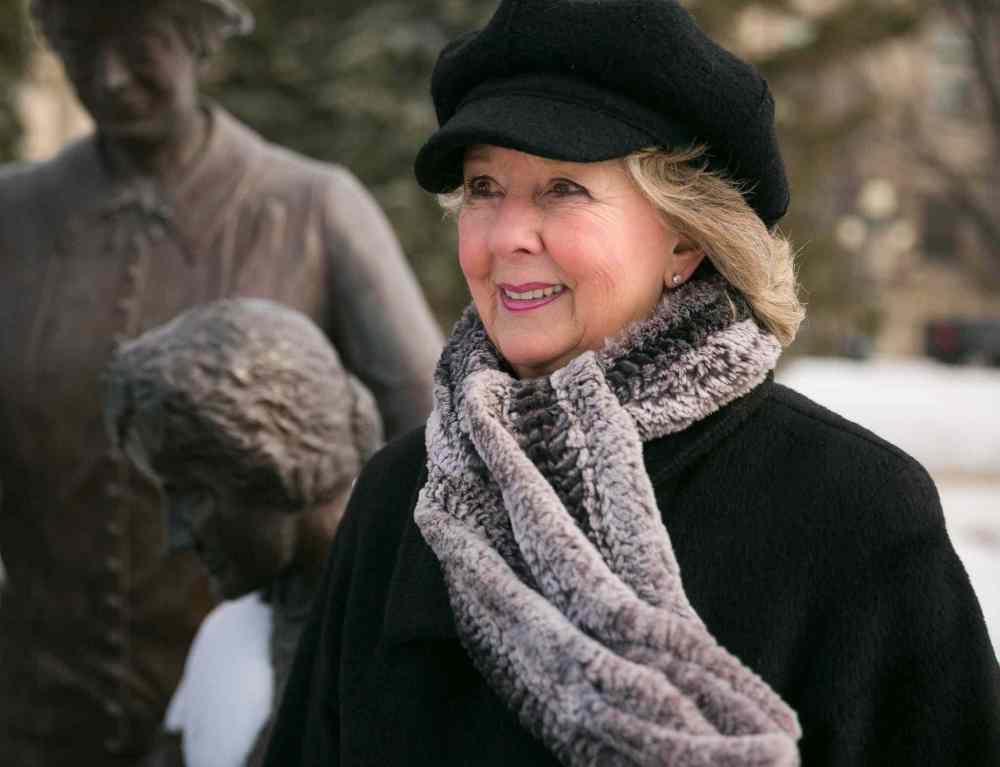
FP: Wait. The day you were diagnosed you were telling your husband — worst-case scenario — to find another partner?
JF: (laughing) I’m right in there. I’m going to take care of all these things so there’s no doubt of what anybody’s thinking.
FP: What did Gary say?
JF: Oh, he cried. He cried.
FP: You joined the CancerCare Manitoba board almost immediately after, right?
JF: Basically, what I was doing, in my mind… my dad died of a heart attack, so I was on the Heart and Stroke Foundation volunteer board. I’d been there for about six years. I remember thinking, “OK, I’ve honoured my father. Now I’m going to have to get involved in CancerCare and honour my mother.”
FP: What do you think of cancer?
JF: I think it’s an insidious disease that’s often cultured in a perfectly healthy body. I was probably the healthiest I’d ever been.
FP: Do you hate cancer?
JF: Well, the obvious answer is yes. You hate what it’s done to people. On the other hand, I’m so grateful for other people’s children who study medicine and do medical research. Am I here because of what happened from my mom going into clinical trials? Did we have Allison longer than we might have because someone else’s child studied what they did? Really, it comes down to the humanness of it all.
FP: Words probably won’t be able to describe the loss of Allison.
JF: Yes. It’s one thing to have the diagnosis, the other thing is the journey. You’re learning a new language. You’re meeting new people. You’re going to places you usually wouldn’t be going. Just because you’ve had the first diagnosis that doesn’t mean you have the outcome. It just sets you on another track. Hope is the only weapon you have. You become a member of a club you don’t want to be a part of with other people who don’t want to be a part of it, either. It certainly has you digging deep, I’ll tell you.
FP: So when you first heard of Allison’s diagnosis, was your reaction, “I’ve beat this and now you’ll beat this?”
JF: (Clearly emotional) Absolutely. That’s the way. But that’s a whole other discussion for another day.
FP: A totally different subject: Have you been approached to run for public office?
JF: Yes.
FP: How many times?
JF: Oh. Five?
FP: Federal? Provincial?
JF: Both.
FP: Your response?
JF: One in the family was enough. And timing. The last one was a federal opportunity and I can remember us talking about it at dinner and Gary said, “Do you really think we’re going to mail the (grand) children down there to see you (in Ottawa)? No, we’ve done it. We belong here.”
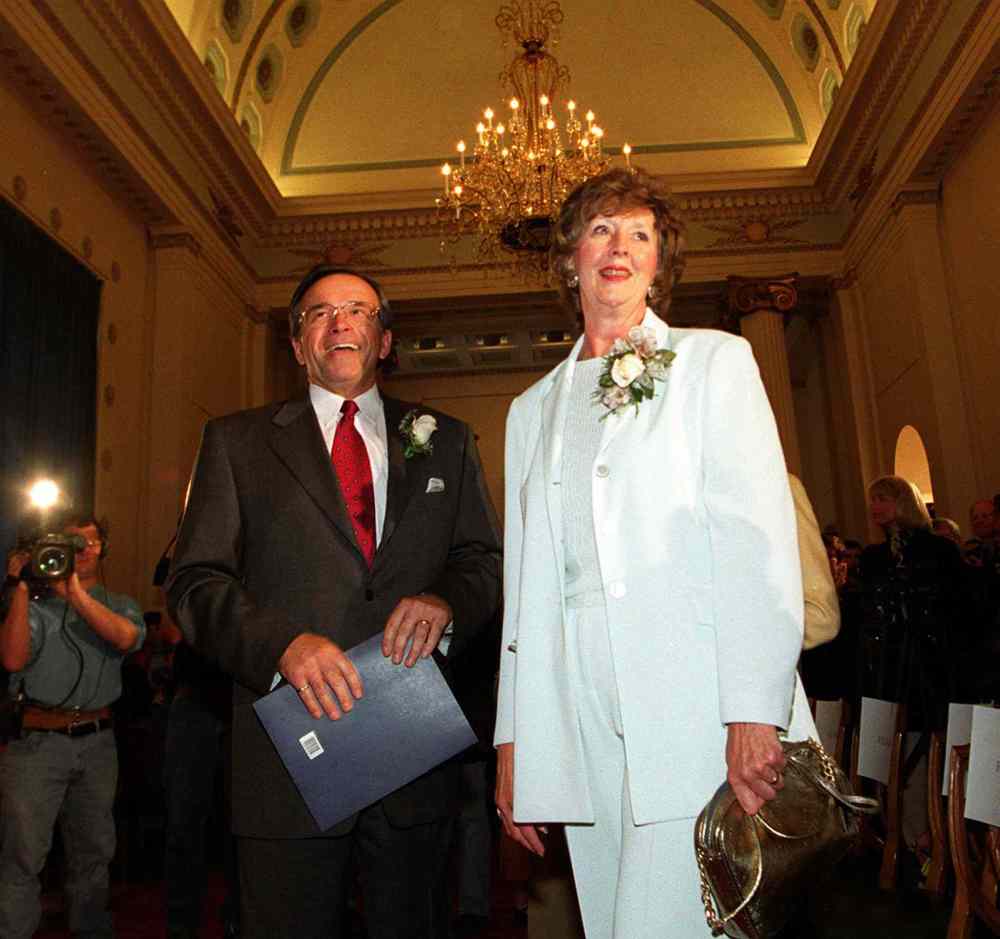
FP: You’ve been described as dynamo, tireless philanthropist, universally respected. But I want to know what makes Janice Filmon angry. You say “Holy cow” a lot. My mom says “Holy cow,” but I know she knows other words.
JF: (Giggling) You know, I’m going to start by saying I thought about this years ago. I’m not somebody who gets mad. First of all, it’s a waste of energy. I think, “What is the problem? Do I have a part in it? Can I be part of the solution?” And if not, I don’t own it. This isn’t really my problem. That would be much more the way I would operate. I’d probably get much more exercised on people not parking properly.
FP: When Prime Minister Stephen Harper first announced your appointment, it was interesting. Your reaction wasn’t just “Oh, my gosh. Isn’t this nice.” It was, “Yeah, about time it was another woman.”
JF: There’s probably two parts. Whenever you’re nominated for something and are asked for your name to stand, whether you get it or not, there’s always that part that — I’ll used the words — is honoured and blessed. Of all the people, they thought of me? I haven’t lost that almost child-like part that says, “Wow.”
The other side of it, had it not been me — and that was my point — that after all these years, since 1870 there’s only been one woman (Pearl McGonigal, 1981-86). And here we are in 2015. If it hadn’t been me, I really hoped it was going to be a woman, because it’s well overdue. It’s time.
FP: When you say it’s time, do you mean a woman can give a different voice to the role? Or just math?
JF: All of it. I mean, if we’re 51 per cent of the population — and that means in terms of intelligence and creativity and everything — and yet we’re not represented? Why do you think that they’re looking at gender balance on boards? Women think differently. They bring another perspective. They use different language.
FP: Sometimes these posts can be symbolic, or glorified caretaking. You seem to want more.
JF: My hope is from my experiences in life, looking at this with fresh eyes, I’m going to make it more relevant. Open it up. I’m already looking and reading and saying, “I want to find this person and bring them to Government House.” I love the idea of connecting people. When I had that opportunity to observe life from the perch that I had, the people who are involved don’t have to time to do some of the things that an observer sees. So what if you’ve got this person who’s won some award and they have their little cameo moment, why wouldn’t someone think to use that person; whether it’s speaking, role-modeling, motivating? What is it? I don’t know. But I know it’s something.
You have an opportunity to create your own mandate. And you can articulate what that is, which I’ll be doing on (June) 19th. And you can use that as a stepping stone to make a difference. At the end of five years I’d like to say, “OK, was I able to make a difference.”
FP: You’ve been through a lot of good stuff. A lot of very bad stuff. So what has life taught you so far?
JF: I knew there would have to be a zinger. Can you give me time to think about that?
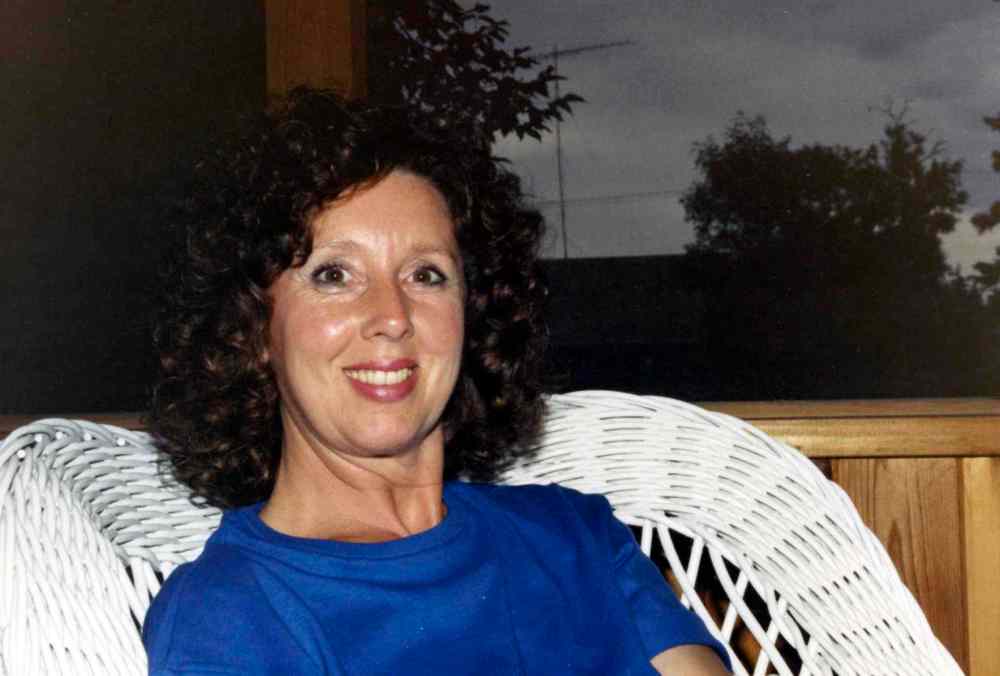
FP: Given the significant ups and downs, has it taught you life isn’t fair? Or just random?
JF: I think it teaches you that life is about choices. You have a lot of choices, in terms of your attitudes and your actions. And timing. That’s what it would teach me.
FP: You’ve mentioned timing a few times now.
JF: And I really believe that. The numbers of times I’ve thought, “Wow. You had to be there at that point. And if you’re not quite there, going the positive route, what would have to happen to make it happen?”

FP: Kind of like taking a train trip to a football game in 1962?
JF: (Bursts into giggles) Yeah, I might not have met Gary, right? Honestly, I mean we have had an absolutely phenomenal life. If I were to die tomorrow, if I think about being loved and having absolute army of friends, the blessings. Having good health and being in a position to work in the community. You don’t even start out trying to make a difference. You just end up volunteering your time and your energy wherever you are. And you get back more than you give.
Twitter: @randyturner15
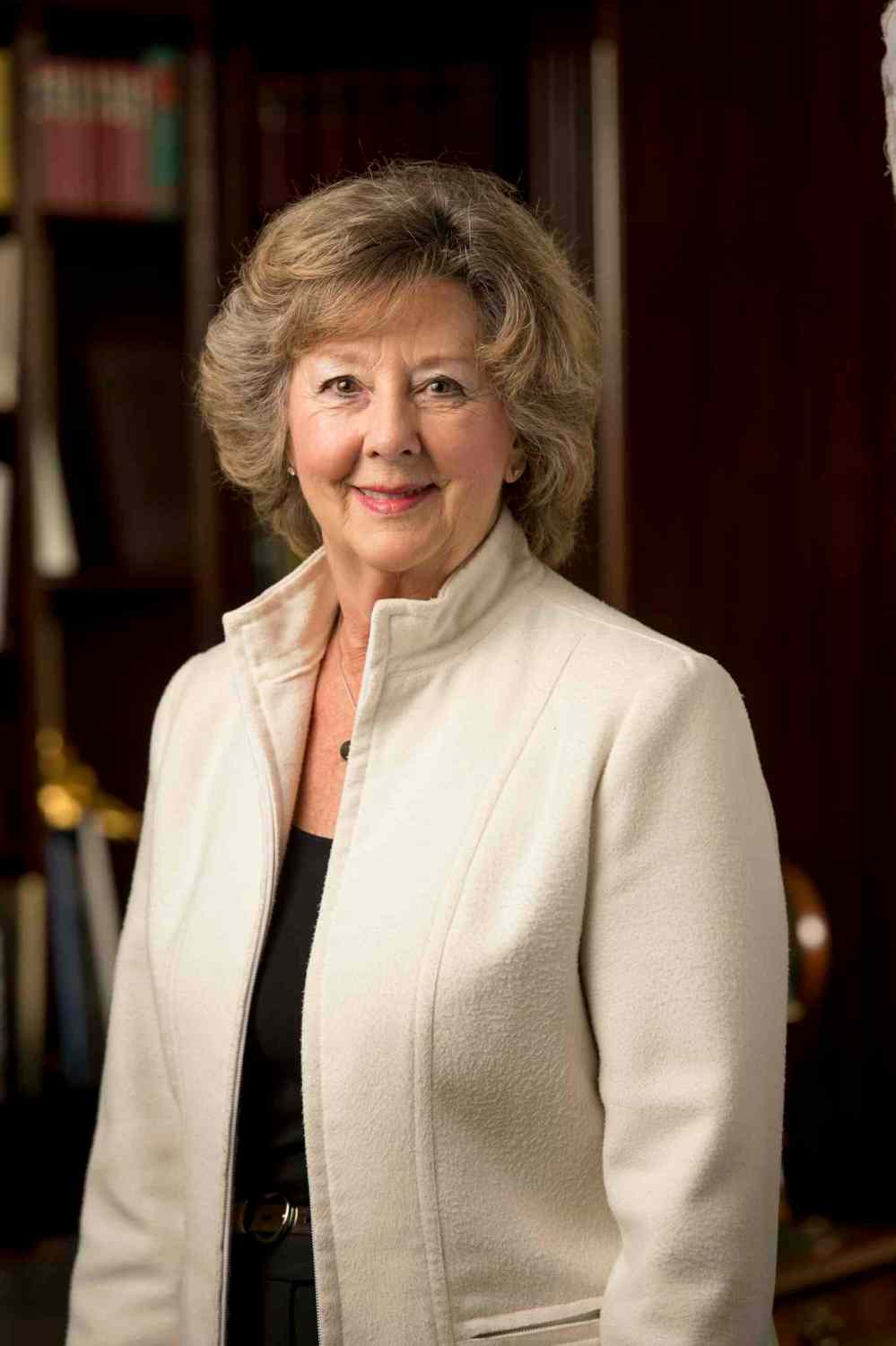
Randy Turner
Reporter
Randy Turner spent much of his journalistic career on the road. A lot of roads. Dirt roads, snow-packed roads, U.S. interstates and foreign highways. In other words, he got a lot of kilometres on the odometer, if you know what we mean.
Our newsroom depends on a growing audience of readers to power our journalism. If you are not a paid reader, please consider becoming a subscriber.
Our newsroom depends on its audience of readers to power our journalism. Thank you for your support.