

Review of one sex-abuse case not enough
Advertisement
Read this article for free:
or
Already have an account? Log in here »
To continue reading, please subscribe:

Digital Subscription
One year of digital access for only $205*
- Enjoy unlimited reading on winnipegfreepress.com
- Read the E-Edition, our digital replica newspaper
- Access News Break, our award-winning app
- Play interactive puzzles
*First annual payment billed as $205.00 + GST for one year. This annual subscription will automatically renew at $233.00 + GST every 52 weeks (10% off the regular annual price of $259.35). Offer available to new and qualified returning subscribers only. Cancel any time.
To continue reading, please subscribe:
Add Free Press access to your Brandon Sun subscription for only an additional
$1 for the first 4 weeks*
- Enjoy unlimited reading on winnipegfreepress.com
- Read the E-Edition, our digital replica newspaper
- Access News Break, our award-winning app
- Play interactive puzzles
*Your next Brandon Sun subscription payment will increase by $1.00 and you will be charged $17.95 plus GST for four weeks. After four weeks, your payment will increase to $24.95 plus GST every four weeks.
Read unlimited articles for free today:
or
Already have an account? Log in here »
Hey there, time traveller!
This article was published 24/09/2015 (4011 days ago), so information in it may no longer be current.
It is tempting to say Family Services Minister Kerri Irvin-Ross is good at shutting the proverbial barn door after the horse has bolted — demanding to know what went wrong when a child gets hurt, or dies, because CFS didn’t do its job.
But that may be giving too much credit, because closing the door implies at least there should be no further losses.
As well, history shows this minister is just following well-established practice in reacting painfully slowly to understand why tragedies keep plaguing child-welfare services in this province.
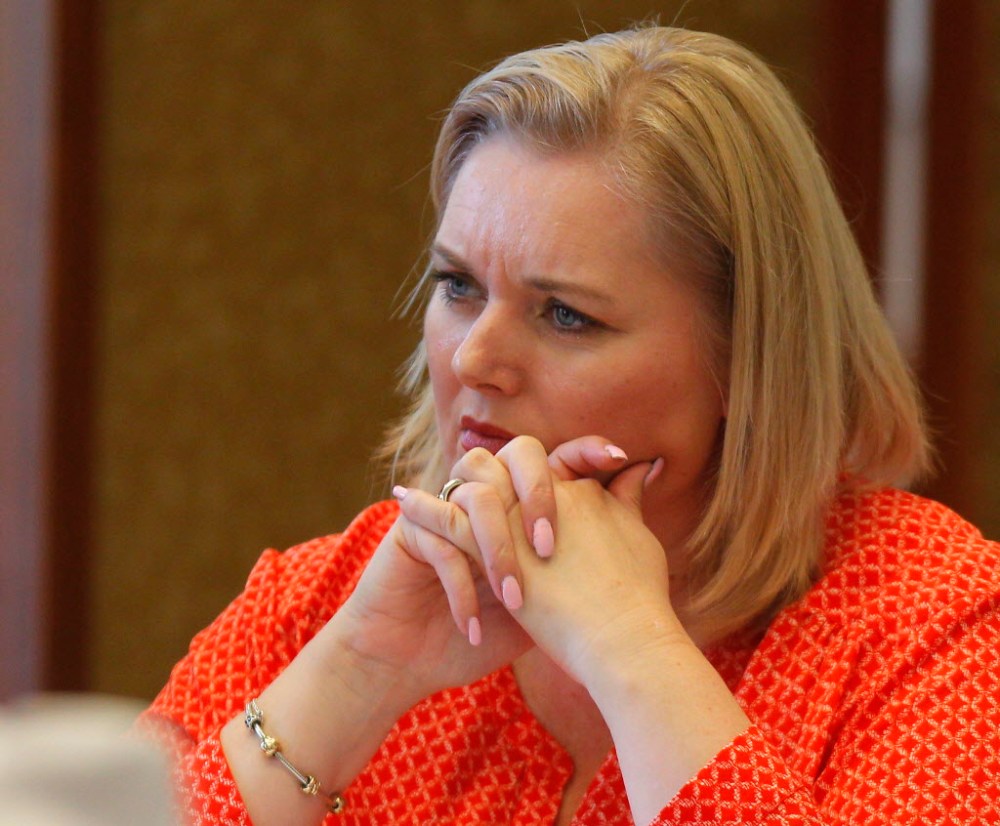
Ms. Irvin-Ross on Thursday said she has launched an internal review, and may launch a formal investigation, into the way a CFS agency handled the move of a teenaged boy into the care of a man who had a long criminal history. The man has been sentenced to 13 years in jail for sexually preying upon the teen and three other boys, and posting his depraved acts on the Internet.
The man’s long and at-times violent criminal past was available to CFS, but the agency did not do background checks before it approved the informal foster arrangement, made in 2011 at the request of the teenager’s mother.
Potential caregivers are supposed to undergo extensive checks, including with police, the provincial child abuse registry and in-home assessment to ensure a child’s safety. There have been spectacular failures in the past. In 2007, for example, toddler Gage Guimond died after an agency worker put him and another child in the care of his great-aunt, who had a criminal record. Investigations that followed found the workers failed to assess the safety of the home. The aunt eventually was convicted of serious assaults against the boy.
Yet for all of that — all of the assurances made following inquests and inquiries about redoubling efforts to train agency workers on how to vet potential caregivers — the CFS agency in this case appears to have failed in giving the teenager the minimum in protection services.
Worse, family and police raised the alarm in 2012 about troubling signals about the boy’s relationship with the 33-year-old. Child-welfare workers promised to follow-up. They didn’t.
Now, Ms. Irvin-Ross wants an internal review. That should have been done when the man was charged, two years ago. She says she may demand a formal investigation, a Sec. 4 review under the Child and Family Services Act of the agency’s handling of this case. That, too, should have been underway long ago.

The inquiry into the grisly 2005 death of five-year-old Phoenix Sinclair examined at length many of same elements of how child-welfare agencies are supposed to keep track of the safety of children receiving services. Safety assessments follow a strict checklist that analyses risk; background checks are mandatory; contacts and concerns are to be documented promptly in files that are easily accessed by all workers. All of the rules, procedures and training, however, fly out the window in too many cases that become horrifying headlines.
Why is that? History has shown the lessons out of similar cases have not managed to prevent recurrence of stunning failures in the fundamental duties of CFS agencies.
Ms. Irvin-Ross needs to tell Manitobans what went wrong in this case, to publicly share the findings of this internal review.
Also, there should be a case audit, a random sampling of agency files to find how often something as basic as background checks and home safety assessments are not done. That might catch vulnerable children before they are hurt.
It can also point to common mistakes, systemic problems or blind spots that continually thwart good child-welfare work.
Related Articles
Province begins review into how a sex offender was allowed to foster teen boy

Advertisement Advertise With Us
Advertisement Advertise With Us