

Feds studying impact of zebra mussels on Lake Winnipeg
Advertisement
Read this article for free:
or
Already have an account? Log in here »
To continue reading, please subscribe:

Digital Subscription
One year of digital access for only $205*
- Enjoy unlimited reading on winnipegfreepress.com
- Read the E-Edition, our digital replica newspaper
- Access News Break, our award-winning app
- Play interactive puzzles
*First annual payment billed as $205.00 + GST for one year. This annual subscription will automatically renew at $233.00 + GST every 52 weeks (10% off the regular annual price of $259.35). Offer available to new and qualified returning subscribers only. Cancel any time.
To continue reading, please subscribe:
Add Free Press access to your Brandon Sun subscription for only an additional
$1 for the first 4 weeks*
- Enjoy unlimited reading on winnipegfreepress.com
- Read the E-Edition, our digital replica newspaper
- Access News Break, our award-winning app
- Play interactive puzzles
*Your next Brandon Sun subscription payment will increase by $1.00 and you will be charged $17.95 plus GST for four weeks. After four weeks, your payment will increase to $24.95 plus GST every four weeks.
Read unlimited articles for free today:
or
Already have an account? Log in here »
Hey there, time traveller!
This article was published 09/10/2015 (3972 days ago), so information in it may no longer be current.
Manitobans may soon have a better idea of the socio-economic impact of the zebra mussel infestation on Lake Winnipeg.
The federal Fisheries and Oceans Department is in the midst of a study that will estimate the toll of the invasive species on the fishery, tourism and local infrastructure.
Jeff Long, manager of fisheries science and fish culture with the provincial Conservation and Water Stewardship Department, said preliminary results from the study are expected to be released next month at a gathering of federal and provincial scientists.
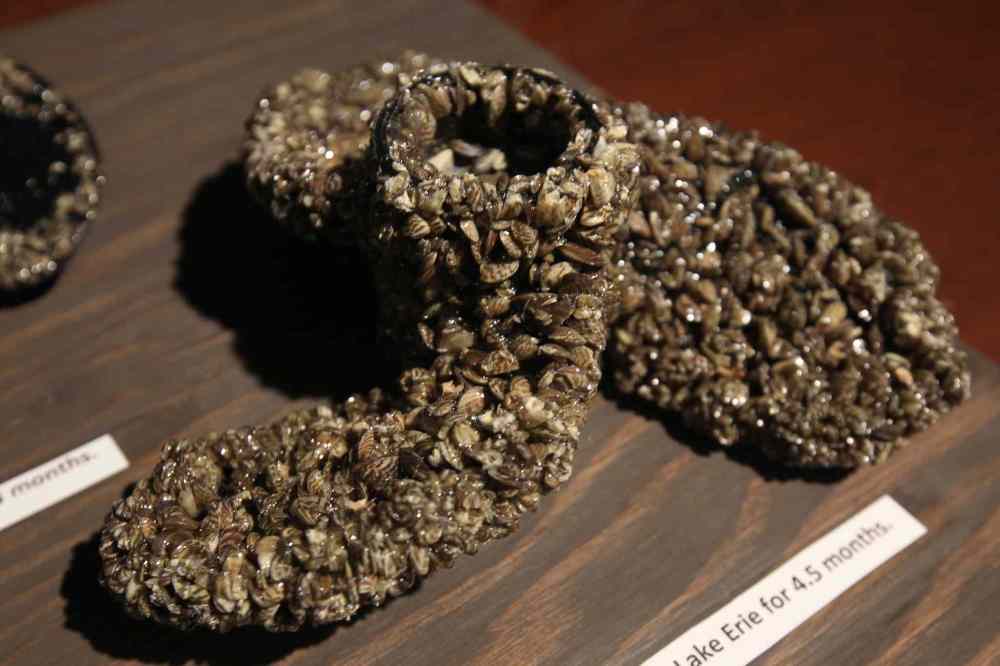
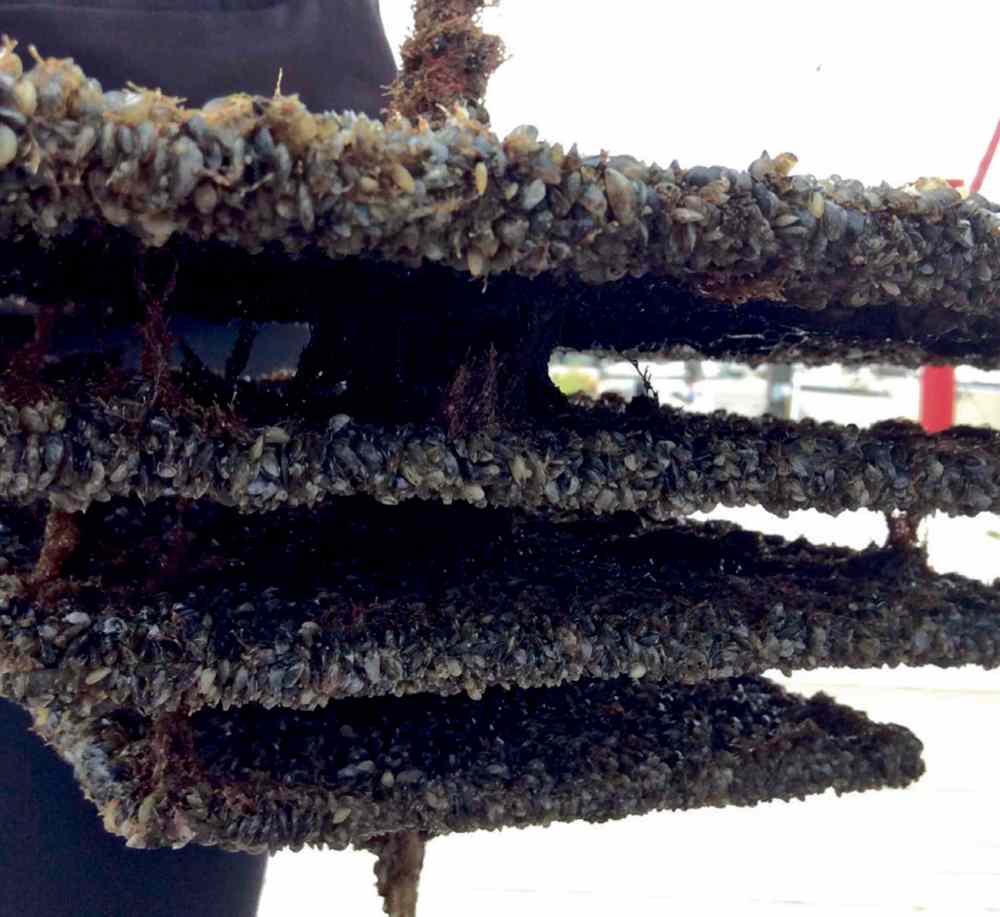
Earlier this week, the province announced zebra mussels had spread from the south basin of Lake Winnipeg into its north basin. Scientists say it is inevitable the entire lake will soon become infested with the pests.
Only 19 months ago, the government expressed hope a bid to control the spread of zebra mussels in the lake had been successful. The province had treated harbours at Winnipeg Beach, Gimli, Arnes and Balsam Bay with potassium-containing liquid potash in a bid to eradicate them. But the problem persisted.
Long said it is far too early to say whether there will be a collapse of the Lake Winnipeg fishery, as some fear.
“The weight of evidence… in other places is that there is usually a depression in the (fish) stocks,” he said.
But how much of a decline and how many species will be affected is site-specific, he said.
“There’s a number of interactions at play, and we can’t always predict those things,” he added.
Long said the infestation could even give rise to new species. “As the water changes, as the basic habitats change, that may create niches for other species.”
He said the only thing scientists and officials can do is manage the lake as best they can as the situation evolves.
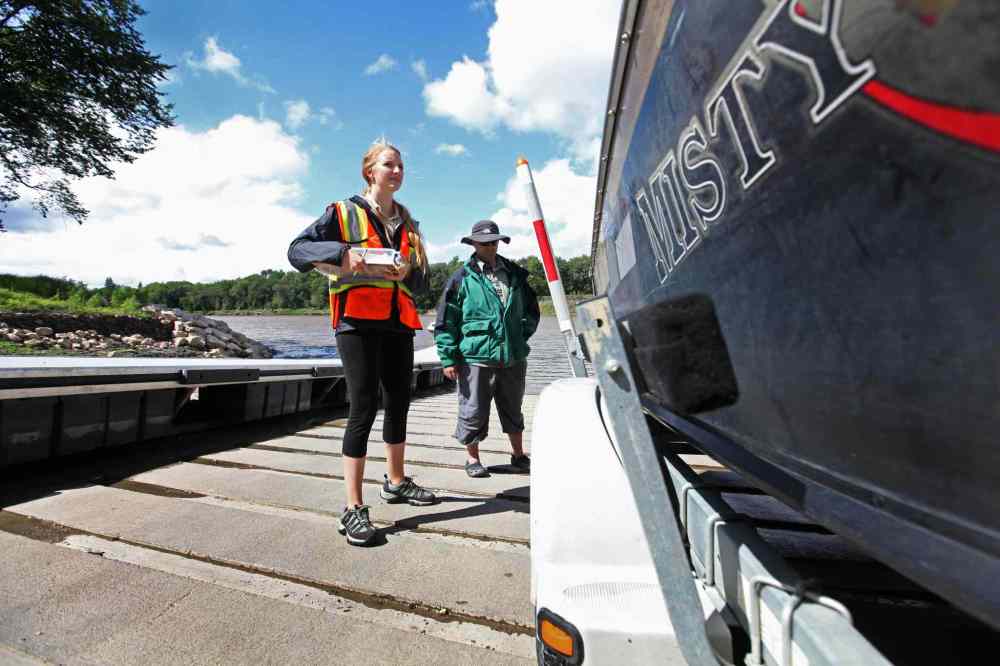
Conservation and Water Stewardship Minister Tom Nevakshonoff emphasized Friday it’s not too late to prevent invasive species such as zebra mussels from spreading to other lakes and streams in Manitoba.
Boaters should continue to carefully check and clean watercraft after use, he said.
“If everybody plays their part, we can contain them within the current water body,” the minister said.
The Opposition Conservatives have been critical of the Selinger government’s handling of the zebra mussels problem, accusing it of not taking action fast enough and questioning its spending priorities.
“This government has completely and utterly dropped the ball when it comes to zebra mussels,” the party’s Conservation critic, Shannon Martin, said Friday.
The government was “far more interested in headlines than in hard work,” he said of the 2014 effort to eradicate the invasive species in the four harbours.

A far better use of the $500,000 spent on the government’s “little science project” would have been to purchase a half-dozen mobile decontamination units to clean boats, Martin said.
Meanwhile, Alexis Kanu, executive director of the Lake Winnipeg Foundation, said the public shouldn’t underestimate the resilience of the lake’s ecosystem.
“These mussels have been in the Great Lakes for 25 years. Those lakes are not dead. People still use them,” she said. People are still swimming, boating, using the beaches there. They’re drawing their drinking water from those lakes. So I think we need to remain optimistic.”
larry.kusch@freepress.mb.ca
History
Updated on Friday, October 9, 2015 7:01 PM CDT: Writethru.