

Looking for answers after suicide
Advertisement
Read this article for free:
or
Already have an account? Log in here »
To continue reading, please subscribe:

Digital Subscription
One year of digital access for only $205*
- Enjoy unlimited reading on winnipegfreepress.com
- Read the E-Edition, our digital replica newspaper
- Access News Break, our award-winning app
- Play interactive puzzles
*First annual payment billed as $205.00 + GST for one year. This annual subscription will automatically renew at $233.00 + GST every 52 weeks (10% off the regular annual price of $259.35). Offer available to new and qualified returning subscribers only. Cancel any time.
To continue reading, please subscribe:
Add Free Press access to your Brandon Sun subscription for only an additional
$1 for the first 4 weeks*
- Enjoy unlimited reading on winnipegfreepress.com
- Read the E-Edition, our digital replica newspaper
- Access News Break, our award-winning app
- Play interactive puzzles
*Your next Brandon Sun subscription payment will increase by $1.00 and you will be charged $17.95 plus GST for four weeks. After four weeks, your payment will increase to $24.95 plus GST every four weeks.
Read unlimited articles for free today:
or
Already have an account? Log in here »
Hey there, time traveller!
This article was published 03/11/2015 (3956 days ago), so information in it may no longer be current.
When it comes to suicide, psychiatrists agree on one thing: it’s difficult to predict and to prevent.
But a person who repeatedly attempts to end his or her life is usually considered to be at a higher level of risk, requiring closer scrutiny and care.
Two recent cases involving suicide or suicide attempts in Winnipeg, however, have raised questions about the way the health-care system works, or doesn’t work, for people who have mental illness.
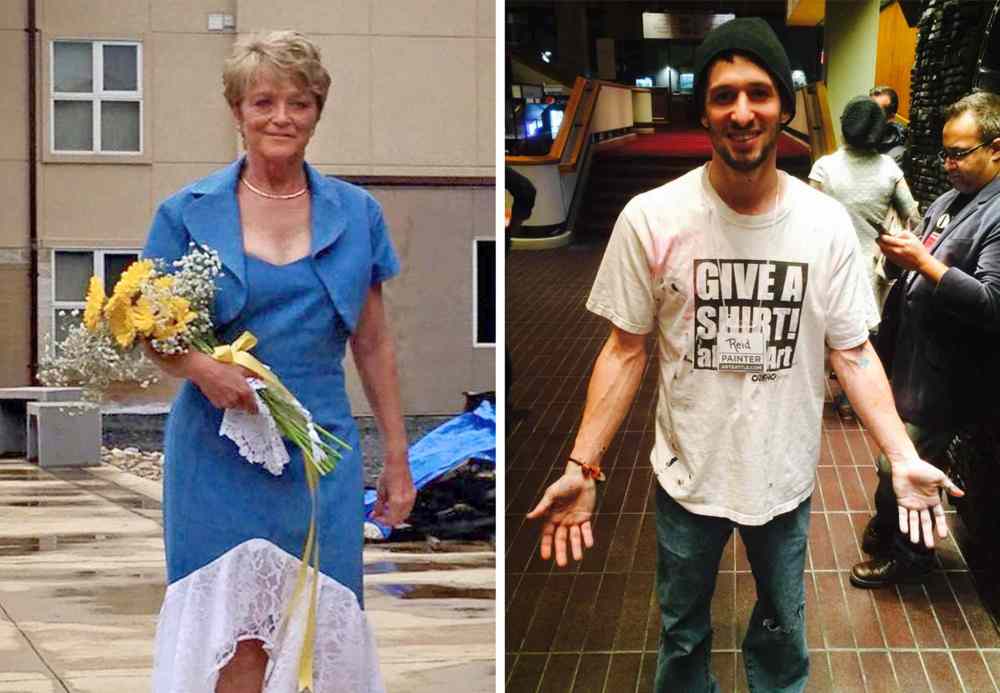
The body of Jill Tardiff, a retired teacher and school principal, was pulled from the Red River in September after she took her own life. She had earlier been hospitalized for depression. She attempted suicide the day after her release. She was treated at St. Boniface Hospital and released the next day.
Reid Bricker hasn’t been seen since Oct. 24, when he was released from Health Sciences Centre. The day before, he had attempted suicide for the third time in 10 days. He was seen by doctors each time and released.
Psychiatry may be an imperfect art, but there is something wrong with these profiles, which workers in the field say aren’t anomalies. Patients who show up at the hospital with feelings of sadness or anxiety may not need intervention. But that wasn’t the case with Ms. Tardiff and Mr. Bricker.
Their relatives say they wonder why they were released from hospital when they were seriously ill.
In the case of Reid Bricker, his parents also want to know why they were not informed of his trips to the hospital or his first two suicide attempts until he disclosed them prior to his disappearance.
George and Bonnie Bricker believe they should have been contacted when their son was in hospital and they want privacy legislation amended to give hospital staff the discretion to call family if it is in the best interest of the patient.
Health Minister Sharon Blady has promised to look at the issue, but she is likely to find it is more complicated than simply empowering health workers to call families.
That’s because many people who have mental-health issues want their problems kept secret. The concern is some of them might avoid emergency help if there were a risk their personal issues would be exposed. The Mental Health Act already empowers officials to compel the treatment of severe cases. It also allows for third parties to be contacted.
Mr. Bricker and Ms. Tardiff were obviously not considered severe cases, despite their histories of suicide attempts.
That’s the troubling part for the families and for good reason. If these cases did not require more aggressive intervention, then how many other similar cases are falling through the cracks?
Dr. Murray Enns, head of the department of psychiatry at the University of Manitoba, says just one per cent of people will commit suicide following a visit to an emergency ward for mental illness.

“It would be great if we could figure out who the one per cent is,” Dr. Enns said.
There are fewer than 200 suicides a year in Manitoba and many of those never present at a hospital. That’s a relatively small number compared with the thousands of people who have some degree of mental-health challenges.
That’s small comfort for the Tardiff and Bricker families, who feel the system failed them and their loved ones.
It’s unclear how much information was shared with the families, since in both cases, several hospitals were involved. People should know that every hospital has a patient representative, whose job is to ensure families get complete information on the circumstances surrounding the death of a loved one.
The Winnipeg Regional Health Authority should assemble this information for the families and for itself, since it doesn’t seem to believe there are lessons to be learned.
Related Articles
Son's suicide note shared at vigil

Advertisement Advertise With Us
Advertisement Advertise With Us
History
Updated on Tuesday, November 3, 2015 4:56 PM CST: Clarifies cutline.