

NDP ‘fix’ stokes distrust from patients after ER death
Advertisement
Read this article for free:
or
Already have an account? Log in here »
To continue reading, please subscribe:

Digital Subscription
One year of digital access for only $205*
- Enjoy unlimited reading on winnipegfreepress.com
- Read the E-Edition, our digital replica newspaper
- Access News Break, our award-winning app
- Play interactive puzzles
*First annual payment billed as $205.00 + GST for one year. This annual subscription will automatically renew at $233.00 + GST every 52 weeks (10% off the regular annual price of $259.35). Offer available to new and qualified returning subscribers only. Cancel any time.
To continue reading, please subscribe:
Add Free Press access to your Brandon Sun subscription for only an additional
$1 for the first 4 weeks*
- Enjoy unlimited reading on winnipegfreepress.com
- Read the E-Edition, our digital replica newspaper
- Access News Break, our award-winning app
- Play interactive puzzles
*Your next Brandon Sun subscription payment will increase by $1.00 and you will be charged $17.95 plus GST for four weeks. After four weeks, your payment will increase to $24.95 plus GST every four weeks.
Read unlimited articles for free today:
or
Already have an account? Log in here »
Hey there, time traveller!
This article was published 05/04/2016 (3809 days ago), so information in it may no longer be current.
Mohinder Singh’s family is exactly right: There is no justification for a woman to lie dying on the floor of an ER waiting room. And they’re exactly right, again, in wondering whether Manitoba’s hospitals have learned enough from the grisly, inexcusable death of Brian Sinclair, who waited in an ER for 34 hours and died before seeing a doctor.
The Sinclair inquest called for changes to the way patients “flow” through the system, how they are triaged and tracked while waiting. There are obvious parallels between Ms. Singh and Mr. Sinclair. But among the differences is this: Mr. Sinclair was disabled and had no one to speak for him but for the occasional kind-hearted citizen. On the other hand, last October Ms. Singh had vigilant family with her, who repeatedly asked ER nurses at Seven Oaks General Hospital to help as her health deteriorated during her two hours there.
ER staff are often stressed, tied to protocols and process that rank the severity of a patient’s condition and, therefore, their place in line. But in the wake of the Sinclair inquest, Seven Oaks, like all hospitals, should have a re-assessment nurse in the ER, checking on waiting patients to ensure no one, again, died waiting for care.
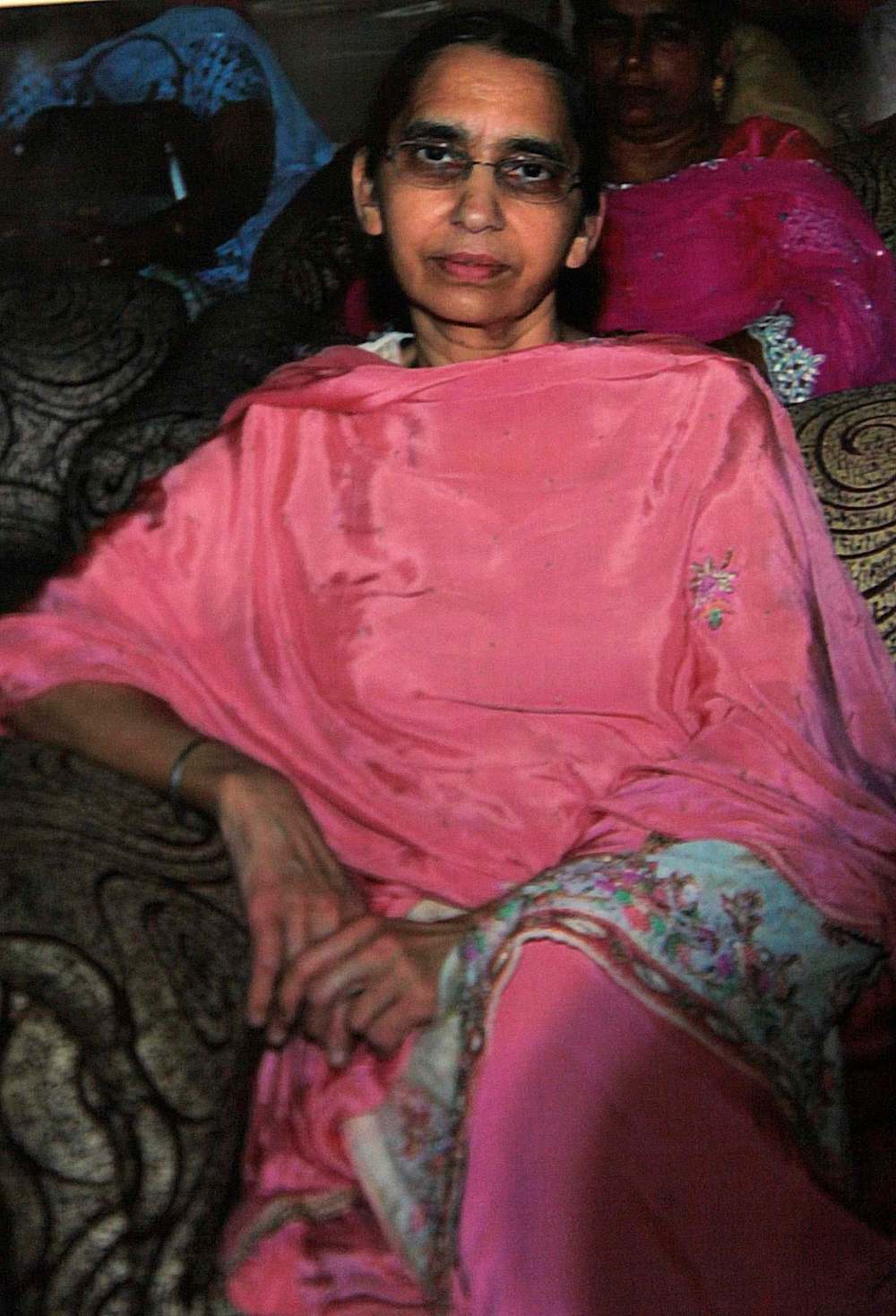
It’s among the questions to be addressed by a critical-incident investigation review. Ms. Singh was lying on the floor, in pain, because her husband could not get her a gurney. After two hours she fell unconscious and was rushed to the Health Sciences Centre. A CT scan found a brain hemorrhage. She was pronounced dead the next day.
Mr. Singh knows Seven Oaks might not have been able to save his wife. But, almost six months later, the family is still waiting for answers from a review launched soon after the death.
Protracted waits following critical-incident reviews are not uncommon. The Winnipeg Regional Health Authority says it “strives” to get them done within 88 working days; the average time was 81 working days. The Health Department, however, reports no such data provincially. Without benchmarks and published results, it is difficult to know whether critical incident reporting is a priority.
And the department’s reporting of investigations is limited, publishing vague descriptions of the errors every four months. The last report to compare the annual number and kinds of incidents was done in 2012, but it does not report on individual facilities. It’s tough, then, to know whether progress has been made or if there’s a problem at one health centre.
The WRHA says it’s looking at changing its process to respond to patients and families faster. Waiting six months — others have waited longer — to know why a hospital failed in delivering decent care is too long. It breeds resentment and distrust from the family and wider community.

On Tuesday, the Selinger camp issued a news release saying if re-elected, it will appoint a provincial advocate to ensure families get answers promptly from an independent review. After 16 years in power, the NDP now sees patients are poorly served by the process of investigating medical error? There is a well-known rule of thumb that a good politician never wastes the opportunity in a crisis, but such transparently cynical electioneering is precisely why voter turnout is falling.
Patient safety should not be a convenient policy hit on the campaign trail. What the NDP should have done years ago was ensured the critical-incident process works equally well for patients and families as it hopes to work for the system. It is designed to encourage reporting, to prevent repeat errors. But it should also ensure that families and patients get prompt, timely explanations of what happened and why, and what’s been done to prevent recurrence. It’s called “patient” safety, a reminder of who the process of reviewing medical error was meant to protect.
Related Articles
New ER review process established after Maples woman's death

Advertisement Advertise With Us
Advertisement Advertise With Us