

Broker a deal on Kapyong
Advertisement
Read this article for free:
or
Already have an account? Log in here »
To continue reading, please subscribe:

Digital Subscription
One year of digital access for only $205*
- Enjoy unlimited reading on winnipegfreepress.com
- Read the E-Edition, our digital replica newspaper
- Access News Break, our award-winning app
- Play interactive puzzles
*First annual payment billed as $205.00 + GST for one year. This annual subscription will automatically renew at $233.00 + GST every 52 weeks (10% off the regular annual price of $259.35). Offer available to new and qualified returning subscribers only. Cancel any time.
To continue reading, please subscribe:
Add Free Press access to your Brandon Sun subscription for only an additional
$1 for the first 4 weeks*
- Enjoy unlimited reading on winnipegfreepress.com
- Read the E-Edition, our digital replica newspaper
- Access News Break, our award-winning app
- Play interactive puzzles
*Your next Brandon Sun subscription payment will increase by $1.00 and you will be charged $17.95 plus GST for four weeks. After four weeks, your payment will increase to $24.95 plus GST every four weeks.
Read unlimited articles for free today:
or
Already have an account? Log in here »
Hey there, time traveller!
This article was published 14/09/2016 (3635 days ago), so information in it may no longer be current.
It’s 160 acres of prime real estate in one of Winnipeg’s toniest neighbourhoods, and still it remains vacant, undeveloped and an eyesore to the thousands who drive past it daily on Kenaston Boulevard.
Kapyong Barracks — the former home to the Princess Patricia’s Canadian Light Infantry, which relocated to CFB Shilo in 2004, leaving the barracks abandoned — has been the subject of much legal wrangling between the federal government and Treaty 1 First Nations governments — Brokenhead, Long Plain, Peguis, Roseau River, Sagkeeng, Sandy Bay and Swan Lake. The bands became interested in the property in 2001, but in 2007 Ottawa decided to make the property “strategic” and to sell it to the federal agency that markets this type of surplus property.
Then began a protracted legal fight with the federal government. Ottawa’s stance was it didn’t have to consult fully and substantially with First Nations on the future of the site because of its special status as a strategic property. Last fall, in the midst of a federal election, then-prime minister Stephen Harper announced his government was going to drop any further court appeals on the issue, opening the door for discussions. A new deal was put on the table, and in September 2015 there was optimism development could proceed in the near future.
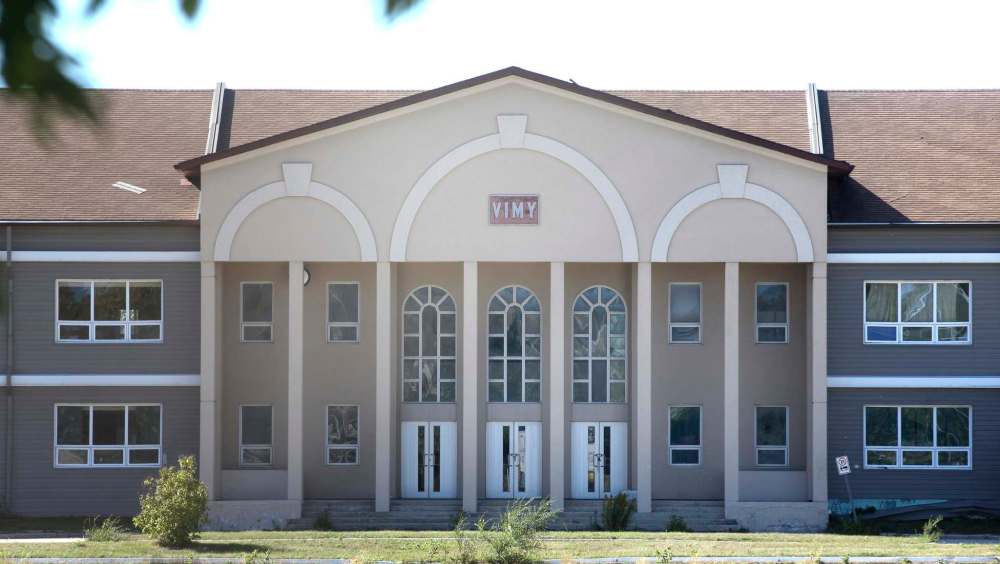
But that optimism has waned.
Talks on how the land will be used, at what price and whether it can be designated as an urban reserve have been ongoing since the federal Liberal government came to power. As the Free Press has reported, it appears discussions have been put on pause because of changes at Peguis First Nation more than a year ago. Cindy Spence took over as the first female chief of Peguis after a nail-biter of an election in the spring of 2015, defeating incumbent Glenn Hudson. The election was fought largely on issues of transparency, including concerns about negotiations on Kapyong as well as a development deal with the Manitoba Jockey Club to develop Assiniboia Downs as an urban reserve. But the clock is ticking, and now it’s time to move forward.
As time moves on, the potential for prime real estate in Winnipeg remains untapped. After spending more than $1 million in legal bills fighting the court’s decisions, Ottawa also remains on the hook to maintain the barracks to prevent total decay along with paying for its annual property taxes. Since 2004, Ottawa has paid $11.7 million in total taxes on the property.

More than that, the city is missing out on even higher tax revenue it could pull in if the land was fully developed.
The court decision made it clear the government doesn’t have to sell it to First Nations, it must only act as a willing seller. This is a file that has been open for too long, and it’s time for the two sides to work out an agreement that will have some benefit. There not only has to be pressure placed on the Liberal government in Ottawa, but on the Treaty 1 officials here in Manitoba to broker a deal.
Related Articles
No deal in sight for Kapyong Barracks
Advertisement Advertise With Us
Advertisement Advertise With Us