

Court of Appeal upholds first-degree murder conviction in Kaila Tran case
Advertisement
Read this article for free:
or
Already have an account? Log in here »
To continue reading, please subscribe:

Digital Subscription
One year of digital access for only $205*
- Enjoy unlimited reading on winnipegfreepress.com
- Read the E-Edition, our digital replica newspaper
- Access News Break, our award-winning app
- Play interactive puzzles
*First annual payment billed as $205.00 + GST for one year. This annual subscription will automatically renew at $233.00 + GST every 52 weeks (10% off the regular annual price of $259.35). Offer available to new and qualified returning subscribers only. Cancel any time.
To continue reading, please subscribe:
Add Free Press access to your Brandon Sun subscription for only an additional
$1 for the first 4 weeks*
- Enjoy unlimited reading on winnipegfreepress.com
- Read the E-Edition, our digital replica newspaper
- Access News Break, our award-winning app
- Play interactive puzzles
*Your next Brandon Sun subscription payment will increase by $1.00 and you will be charged $17.95 plus GST for four weeks. After four weeks, your payment will increase to $24.95 plus GST every four weeks.
Read unlimited articles for free today:
or
Already have an account? Log in here »
Hey there, time traveller!
This article was published 01/12/2016 (3594 days ago), so information in it may no longer be current.
He said he had to kill an innocent young woman he barely knew to satisfy a drug debt, or put his own life and those of his loved ones at risk.
But Treyvonne Willis’s claims of duress leading up to the brutal, unprovoked June 2012 murder of Kaila Tran in a St. Vital parking lot just don’t hold up, Manitoba’s top court has ruled.
Three Court of Appeal judges unanimously decided Wednesday to uphold the 24-year-old’s first-degree murder conviction and have denied him a new trial.
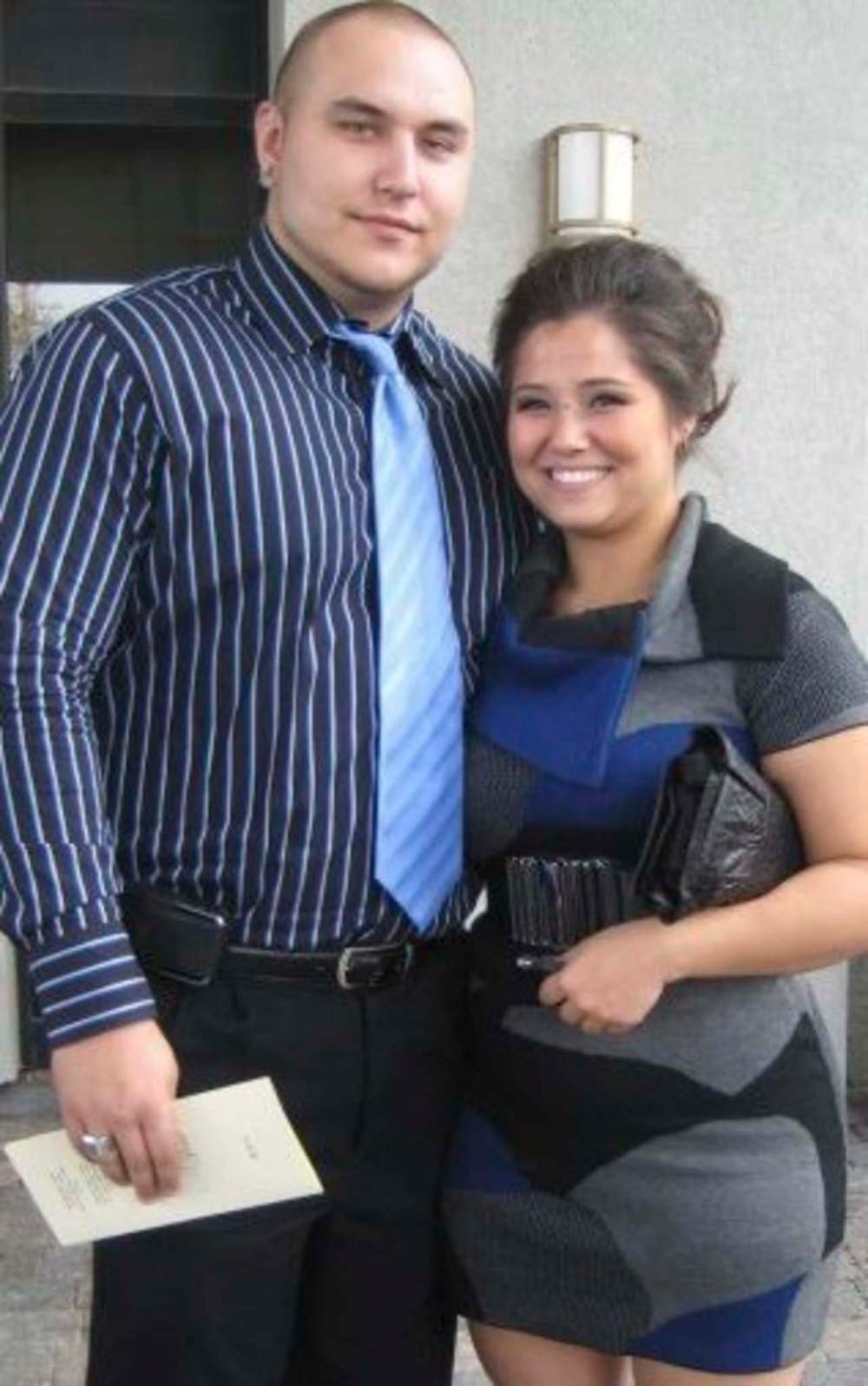
A Manitoba Court of Queen’s Bench jury found Willis guilty in April 2015. Tran, 27, was ambushed while walking to her car outside her Clayton Drive apartment and stabbed 30 times.
Queen’s Bench Chief Justice Glenn Joyal had also rejected Willis’ claims he had no choice but to kill Tran to try and pay off a debt he owed to a drug dealer.
“It was like, my life or her life,” Willis told Winnipeg police after his arrest.
Willis quit school to join a criminal organization and delivered cocaine to The Pas, according to the Appeal Court decision. When he was caught by police he owed a large debt to the crime ring, which ramped up pressure on him to pay up in full.
Willis’ friends and family told him to go to the police but, “Unwisely, he ignored their counsel,” Justice Chris Mainella wrote on behalf of the court.
Weeks before Tran’s murder, Willis was shot at and beaten up, Mainella said.
And days before, Willis got a text from the head of the organization — named in the decision as Derrick Bennett — which he took as an implied threat he and two relatives would be killed if he didn’t pay up, Mainella said.
“In spite of this ominous development, remarkably, he decided not to contact police, nor did he warn his family members of the threat. The option he chose to extricate himself from his predicament was to kill Ms. Tran,” the judge wrote.
Jurors heard conflicting stories of the murder plot, with Willis telling city homicide investigators it was Bennett who ordered him to kill Tran to forgive the debt, Mainella wrote.
Willis’s friend, Tremaine Sam-Kelly, testified Willis told him Tran’s longtime boyfriend, Drake Moslenko, ordered her killed, claiming she was a police informant.
Police interviewed Bennett but he wasn’t charged. He was called as a witness at Willis and Moslenko’s joint preliminary hearing in 2014. He testified he had nothing to do with Tran’s death. It was during the preliminary hearing that Moslenko’s first-degree murder charge was stayed after a judge ruled the key Crown evidence against him — Sam-Kelly’s testimony — was inadmissible hearsay.
Neither Moslenko nor Bennett testified at Willis’ trial. Upon conviction, he was automatically handed a life sentence without a chance at parole for 25 years.
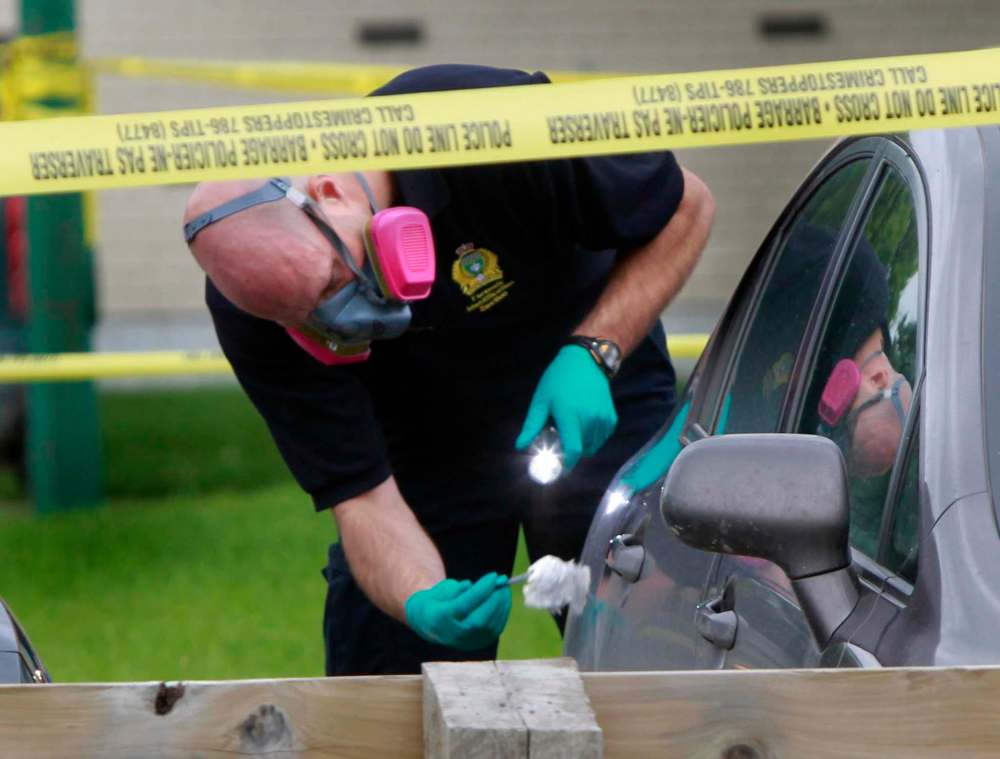
Mainella said Willis telling investigators upon his arrest he had thought about, but declined, to call police about the threats he received was not enough to give his duress claim “an air of reality.”
“I am unimpressed by the accused’s explanation that he was scared and thought contacting police would make things ‘worse,’” said Mainella. “If there is a reasonable opportunity where an individual can feasibly escape the proverbial gun to their head brought about by the threat of another, they must do so or forfeit any plea of duress.
“There is also no reason to believe that law enforcement could not have intervened to protect the accused and his family… (he) was advised repeatedly to go to the police and chose not to do so. He failed to turn to the police even when shot at, assaulted and had family members threatened.

“The only inference available on the evidence is that he wished to continue to be a drug dealer; he must bear the consequences of that misguided decision,” said Mainella.
A message to Willis’ lawyer, Ursula Goeres, was not immediately returned. It is not known whether he plans to appeal to the Supreme Court of Canada.
The decision was released just a day after a lawyer representing Moslenko was in court to fight a separate, civil-court ruling allowing Tran’s family to pursue a wrongful-death lawsuit against him, alleging he was the mastermind behind the plot to kill her.
The Court of Appeal reserved its decision in that case to an unknown date.
city.desk@freepress.mb.ca
Related Articles
Murderer who reportedly kissed prison manager allowed to return to minimum security




Advertisement Advertise With Us
Advertisement Advertise With Us
History
Updated on Thursday, December 1, 2016 5:47 PM CST: Change to headline
Updated on Thursday, December 1, 2016 5:50 PM CST: adjusted headline