

Inquiry wants help from friends, family of missing, murdered women
Advertisement
Read this article for free:
or
Already have an account? Log in here »
To continue reading, please subscribe:

Digital Subscription
One year of digital access for only $205*
- Enjoy unlimited reading on winnipegfreepress.com
- Read the E-Edition, our digital replica newspaper
- Access News Break, our award-winning app
- Play interactive puzzles
*First annual payment billed as $205.00 + GST for one year. This annual subscription will automatically renew at $233.00 + GST every 52 weeks (10% off the regular annual price of $259.35). Offer available to new and qualified returning subscribers only. Cancel any time.
To continue reading, please subscribe:
Add Free Press access to your Brandon Sun subscription for only an additional
$1 for the first 4 weeks*
- Enjoy unlimited reading on winnipegfreepress.com
- Read the E-Edition, our digital replica newspaper
- Access News Break, our award-winning app
- Play interactive puzzles
*Your next Brandon Sun subscription payment will increase by $1.00 and you will be charged $17.95 plus GST for four weeks. After four weeks, your payment will increase to $24.95 plus GST every four weeks.
Read unlimited articles for free today:
or
Already have an account? Log in here »
Hey there, time traveller!
This article was published 03/01/2017 (3567 days ago), so information in it may no longer be current.
Friends and families of missing and murdered indigenous women have been called to help the national inquiry lay the foundation for upcoming hearings in a form letter that ended up on Facebook this week.
The letter from the inquiry’s chief commissioner Marion Buller, dated Dec. 22, reinforced the inquiry’s mandate from Ottawa: to focus on the causes of violence against indigenous women and put the women’s families at the centre of the process while they do it.
In naming the five-member commission last August, Ottawa said the $53.8-million inquiry will be empowered to examine the systemic causes of violence but it would lack the power to compel police to reopen old cases or make findings of police misconduct.
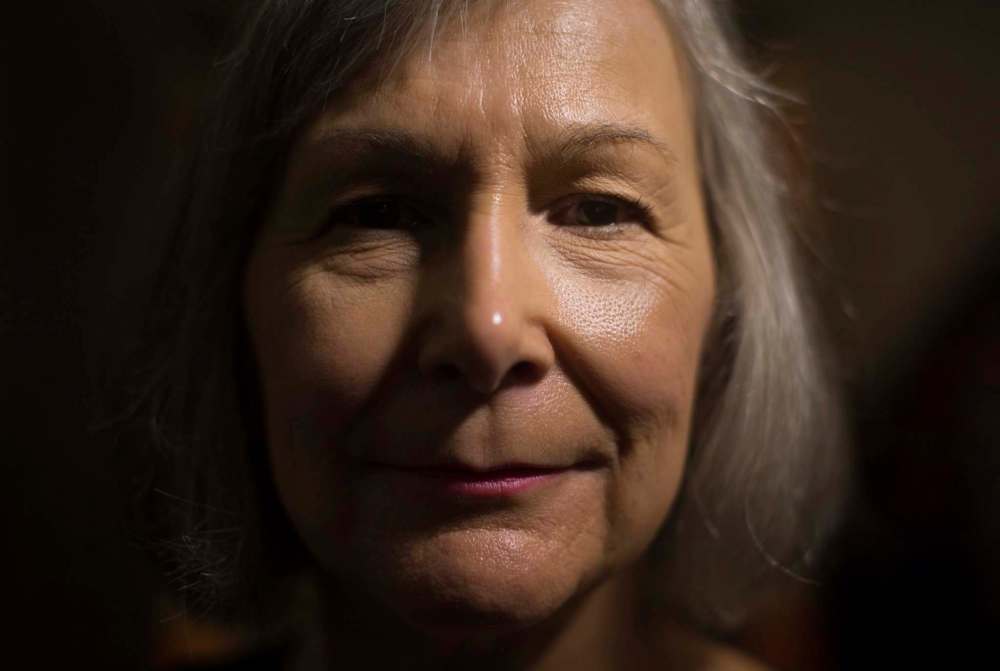
“Early in the new year, we want to begin our process within communities to build relationships with families, women and girls across the nation,” wrote Buller, who was the first indigenous woman appointed as a provincial court judge in British Columbia; she retired last summer to head the commission.
She addressed the letter to, “Dear friends and families of missing and murdered indigenous women and girls.”
The three-paragraph letter said the inquiry wants to collect stories about missing and murdered women directly from their families and friends.
“We are building a team of people to work in communities and are creating a path to ensure grassroots people can influence our policies and the design of our hearings. In order to be sure we hear from you, please be in touch. Let your networks know our contact information and check our website,” the letter said.
The outreach approach follows a pattern set by federal Liberal cabinet ministers last year in holding consultations with friends, families and community leaders across the country prior to setting up the national inquiry.
NDP MLA Nahanni Fontaine, Manitoba’s special adviser to the former Selinger government on aboriginal women’s issues, said the letter is the second signal to the public that the inquiry is active.
The first, in the fall, announced the inquiry’s website, which includes a crisis phone line for families, background on the issue and, currently, four job postings, two of which are in Winnipeg.
That’s not a big public presence for an issue that’s so emotionally traumatizing, Fontaine said, adding that relatives she came to know through her work — forging a public presence for missing and murdered indigenous women, girls and their families across Canada — have shared similar concerns, citing the need regular updates on the inquiry’s progress.
“I’m not criticizing the national inquiry and I appreciate the enormity of what they are doing and that they’re in the being stages of making it happen, but they need to do a little better,” she said.
Many relatives are traumatized to the point that daily life — making rent, finding money for groceries and keeping a family together — is a challenge, she said.

“If you’re working with families you have to reach out in a thoughtful, thorough and targeted way, with a social media site, Facebook, a contact name and number… and my ending to that letter would have been, ‘I’m more than willing to come and meet with you and here’s my direct line.'”
Inquiry officials did not respond to media inquiries Monday and Tuesday.
Indigenous women and girls are disproportionately affected by violence in Canada. Demographically, they make up four per cent of Canada’s females but account for 16 per cent of the women and girls murdered in Canada between 1980 and 2012. Nearly 1,200 women and girls went missing or were killed in that time period, an RCMP overview concluded in 2014.
The inquiry is required to issue an interim report next fall, followed by a final report by Dec. 31, 2018.
alexandra.paul@freepress.mb.ca