

Super skeeters taking over city’s skies

Advertisement
Read this article for free:
or
Already have an account? Log in here »
To continue reading, please subscribe:
Digital Subscription
One year of digital access for only $75*
- Enjoy unlimited reading on winnipegfreepress.com
- Read the E-Edition, our digital replica newspaper
- Access News Break, our award-winning app
- Play interactive puzzles
*Billed as $5.77 plus GST every four weeks. After 52 weeks, price increases to the regular rate of $19.95 plus GST every four weeks. Offer available to new and qualified returning subscribers only. Cancel any time.
Monthly Digital Subscription
$4.99/week*
- Enjoy unlimited reading on winnipegfreepress.com
- Read the E-Edition, our digital replica newspaper
- Access News Break, our award-winning app
- Play interactive puzzles
*Billed as $19.95 plus GST every four weeks. Cancel any time.
To continue reading, please subscribe:
Add Free Press access to your Brandon Sun subscription for only an additional
$1 for the first 4 weeks*
- Enjoy unlimited reading on winnipegfreepress.com
- Read the E-Edition, our digital replica newspaper
- Access News Break, our award-winning app
- Play interactive puzzles
*Your next Brandon Sun subscription payment will increase by $1.00 and you will be charged $17.95 plus GST for four weeks. After four weeks, your payment will increase to $24.95 plus GST every four weeks.
Read unlimited articles for free today:
or
Already have an account? Log in here »
Hey there, time traveller!
This article was published 12/07/2017 (3236 days ago), so information in it may no longer be current.
Summer doesn’t suck; “super mosquitos” do.
The Coquillettidia perturbans species, or super mosquito, is noticeably larger than the typical Manitoban mosquito. They’re clumsier flyers, too. And this summer, C. perturbans is more prevalent in Winnipeg than normal.
Ken Nawolsky, the city’s superintendent of insect control, says the Aedes vexans species – the common “nuisance” mosquito – has experienced historic lows this year due to low precipitation and active prevention efforts. But C. perturbans, whose prevalence has increased in the past decade, is a tougher species to handle, and it’s making up a greater chunk of the city’s pest population.
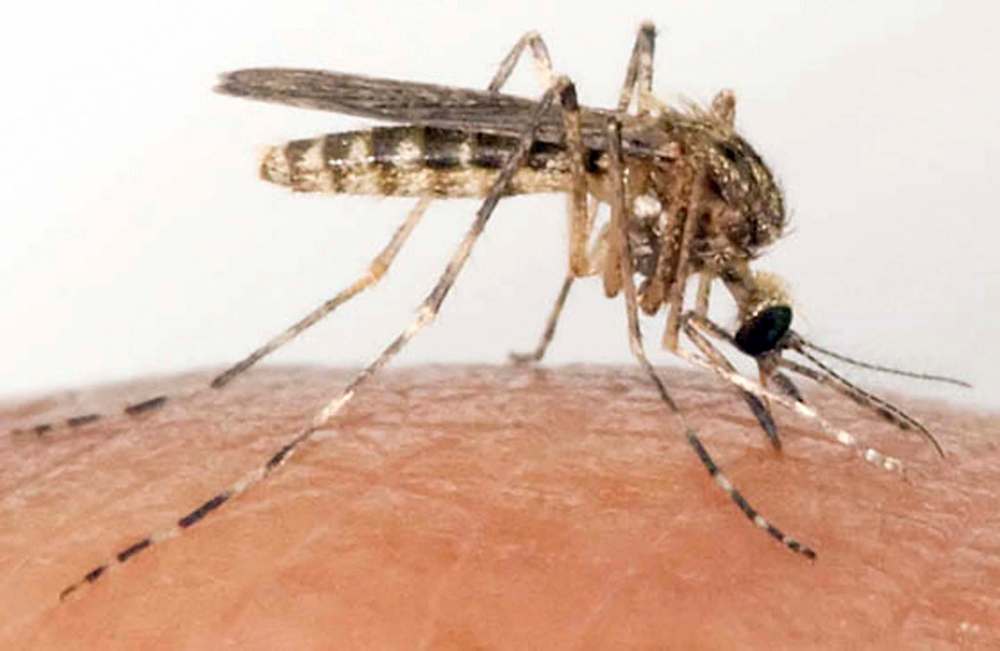
Most years, the rate of C. perturbans mosquitos caught in the city’s 28 traps is roughly 10 per cent. As of July 10, the daily city-wide average catch is 19 mosquitos per trap – of those, nearly half are C. perturbans.
“It’s above normal,” Nawolsky said Tuesday, adding the insects normally decrease in mid-July.
The mosquitos spend the winter in their larval stage, submerged deep beneath the surface in marshes, swamps and retention ponds around the city. C. perturbans larvae attach to the roots and stalks of reed grass and essentially use the plants as a breathing vessel.
Other species, such as A. vexans, have to consistently come up for air, allowing for exposure to larvicides; these bugs use plants like a snorkel for months until they emerge in late June.
“It’s very unique,” Nawolsky said. “This mosquito is very difficult to control.”
Because C. perturbans spends the majority of its life cycle developing in retention ponds and other bodies of water, Nawolsky said the city can’t use one of its larvicide treatments due to potential runoff into local rivers. The other larvicide treatment available has proven ineffective and doesn’t capably reach larval depths, he said.
The bigger bugs don’t pose any unique health risks, and a provincial spokeswoman said they aren’t competent vectors for West Nile Virus.
“While they can acquire the virus, they are particularly inefficient at spreading it because of what appears to be a significant salivary gland barrier in this species,” she wrote in an email.
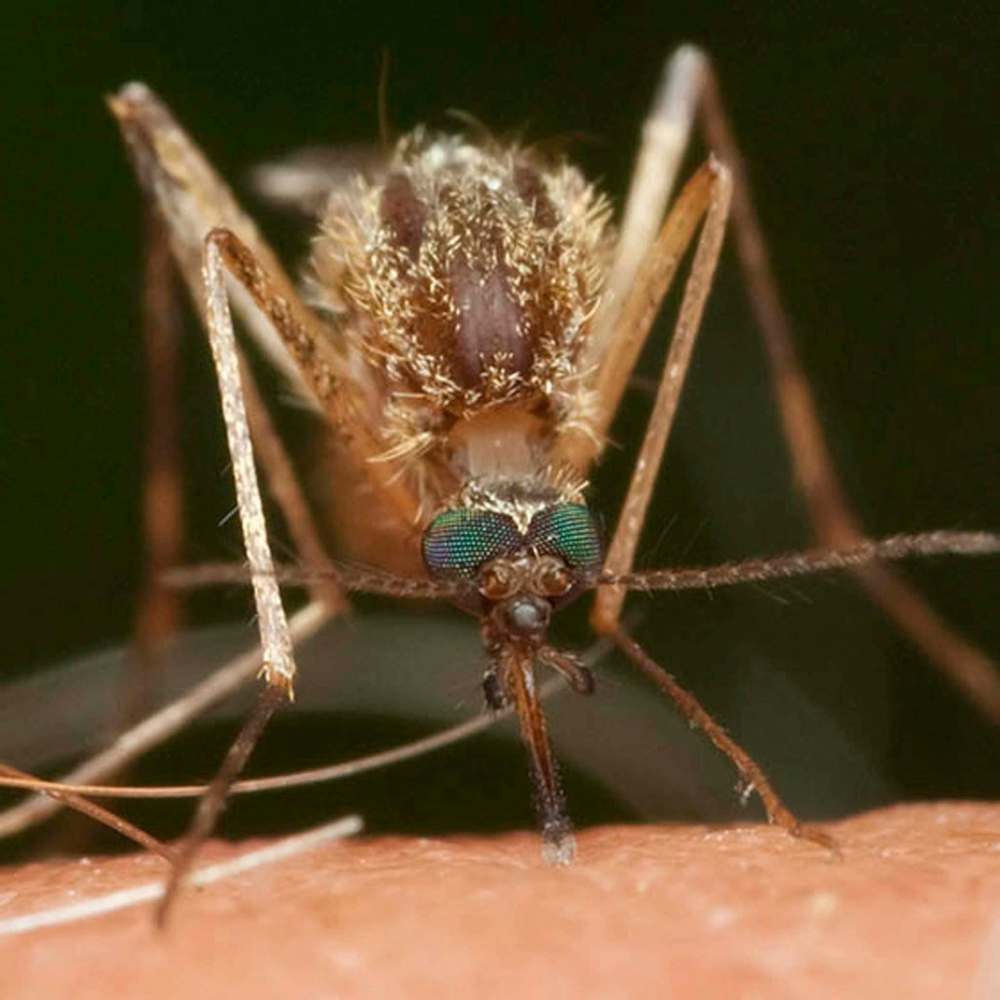

Still, the prevalence of C. perturbans is something Nawolsky could do without.
He said American centres such as Minneapolis, Minn., Fargo, N.D., and Grand Forks, N.D., also deal with C. perturbans, and Winnipeg is planning on consulting with their insect control departments on how to best limit the mosquitos’ development.
Nawolsky said Manitobans will have to endure the C. perturbans for a few more days, adding he hopes they’ll be gone by next week.
However, they’ve been collecting blood and will soon begin to lay eggs deep in standing water across the province, and the cycle will repeat.
ben.waldman@freepress.mb.ca
Ben Waldman is a National Newspaper Award-nominated reporter on the Arts & Life desk at the Free Press. Born and raised in Winnipeg, Ben completed three internships with the Free Press while earning his degree at Ryerson University’s (now Toronto Metropolitan University’s) School of Journalism before joining the newsroom full-time in 2019. Read more about Ben.
Every piece of reporting Ben produces is reviewed by an editing team before it is posted online or published in print — part of the Free Press‘s tradition, since 1872, of producing reliable independent journalism. Read more about Free Press’s history and mandate, and learn how our newsroom operates.
Our newsroom depends on a growing audience of readers to power our journalism. If you are not a paid reader, please consider becoming a subscriber.
Our newsroom depends on its audience of readers to power our journalism. Thank you for your support.
Ben Waldman is a National Newspaper Award-nominated reporter on the Arts & Life desk at the Free Press. Born and raised in Winnipeg, Ben completed three internships with the Free Press while earning his degree at Ryerson University’s (now Toronto Metropolitan University’s) School of Journalism before joining the newsroom full-time in 2019. Read more about Ben.
Every piece of reporting Ben produces is reviewed by an editing team before it is posted online or published in print — part of the Free Press‘s tradition, since 1872, of producing reliable independent journalism. Read more about Free Press’s history and mandate, and learn how our newsroom operates.
Our newsroom depends on a growing audience of readers to power our journalism. If you are not a paid reader, please consider becoming a subscriber.
Our newsroom depends on its audience of readers to power our journalism. Thank you for your support.
Related Articles
Summer's first mosquitos with West Nile virus found in province
Advertisement Advertise With Us
Advertisement Advertise With Us