

Threat to Ontario won’t affect Manitoba’s $67M share of carbon-reduction fund, Ottawa says
Advertisement
Read this article for free:
or
Already have an account? Log in here »
To continue reading, please subscribe:

Digital Subscription
One year of digital access for only $205*
- Enjoy unlimited reading on winnipegfreepress.com
- Read the E-Edition, our digital replica newspaper
- Access News Break, our award-winning app
- Play interactive puzzles
*First annual payment billed as $205.00 + GST for one year. This annual subscription will automatically renew at $233.00 + GST every 52 weeks (10% off the regular annual price of $259.35). Offer available to new and qualified returning subscribers only. Cancel any time.
To continue reading, please subscribe:
Add Free Press access to your Brandon Sun subscription for only an additional
$1 for the first 4 weeks*
- Enjoy unlimited reading on winnipegfreepress.com
- Read the E-Edition, our digital replica newspaper
- Access News Break, our award-winning app
- Play interactive puzzles
*Your next Brandon Sun subscription payment will increase by $1.00 and you will be charged $17.95 plus GST for four weeks. After four weeks, your payment will increase to $24.95 plus GST every four weeks.
Read unlimited articles for free today:
or
Already have an account? Log in here »
Hey there, time traveller!
This article was published 30/08/2018 (2953 days ago), so information in it may no longer be current.
OTTAWA — The federal government says Manitoba can hold onto its roughly $67-million for carbon retrofits, despite Ottawa threatening to withdraw a much larger pot of funding from Ontario for reversing its climate policy.
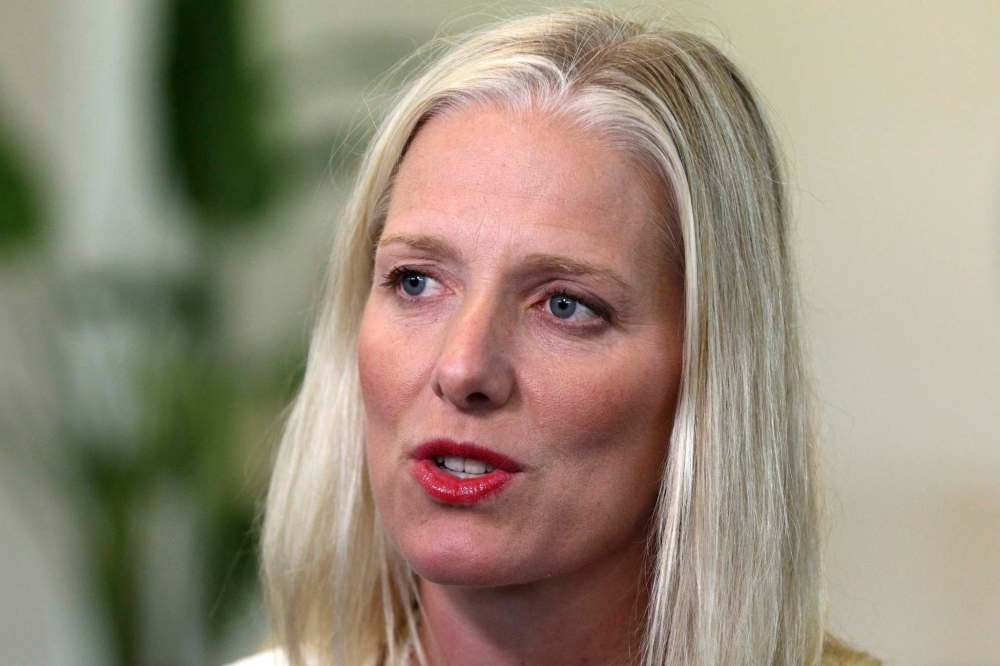
On Wednesday, federal Environment Minister Catherine McKenna said she’s considering rescinding Ontario’s $420-million share of carbon-retrofit funding, because the Doug Ford government has scrapped his province’s existing cap-and-trade program.
Starting in January, Ottawa will compel all provinces to charge a $20 levy on each tonne of carbon, and raise that price each year until it hits $50 in 2022. Provinces can choose what to do with that revenue, but the federal Liberals say they will impose a tax on those that don’t meet the escalating federal benchmarks.
Since last fall, Manitoba has promised a flat $25-per-tonne carbon levy, which will fall short of federal requirements by 2020. (Ottawa has threatened to collect a parallel top-up at that point, and remit that cash to Manitobans, though it’s unknown if that means a transfer payment or individual rebate cheques.)
In February, the Pallister government ended a 14-month standoff with Ottawa over its Low Carbon Economy Fund, which provides cash for carbon-reducing projects. For months, Manitoba demanded clarity that collecting its $67 million in LCEF money wasn’t contingent on raising its carbon tax.
McKenna finally gave that assurance, after the Free Press reported on a confidential December ultimatum, in which she warned provincial Sustainable Development Minister Rochelle Squires against forfeiting the province’s share of the $2-billion fund.
The LCEF money is contingent on provinces and territories endorsing the Pan-Canadian Framework on climate change, a document that outlines principles such as the need for carbon pricing — but doesn’t prescribe the escalating carbon-tax benchmarks.
McKenna’s office clarified Thursday that the reason she’s pondering cutting off Ontario’s LCEF allotment is because of its inconsistency in the Pan-Canadian Framework. In other words, Ottawa is upset that Ontario isn’t upholding its pledged actions to lower carbon emissions (which included its cap-and-trade program) — but it’s not losing its funding just for falling short of the federal benchmark.
Manitoba’s PCF commitment is the Climate and Green Plan. Because that plan hasn’t changed since submitted to the PCF, McKenna’s office said the LCEF dollars should flow to Manitoba without any complications.

“Manitoba has shown real leadership with a climate action plan that includes commitments to cleaner fuels, more sustainable agriculture, support for energy efficiency that saves money for Manitoba families, and a price on pollution,” wrote spokeswoman Caroline Thériault.
The federal government will deliver its LCEF money as provinces bill Ottawa for projects, whether that’s quarterly, at project milestones or as a single payment when projects are completed. The funding lasts until March 21, 2022.
The federal Liberals are bracing for a showdown with various provinces, who have to submit their carbon plans by Saturday. Saskatchewan’s plan falls far short of federal targets, while New Brunswick’s premier changed his plan last year to include existing gas taxes, which Ottawa said can’t be tabulated together.
The carbon tax is dominating that province’s ongoing election, and has become a fundraising juggernaut for the federal Tories.
dylan.robertson@freepress.mb.ca
Advertisement Advertise With Us
Advertisement Advertise With Us