

City takes next step toward historical designation for U of M buildings
Advertisement
Read this article for free:
or
Already have an account? Log in here »
To continue reading, please subscribe:

Digital Subscription
One year of digital access for only $205*
- Enjoy unlimited reading on winnipegfreepress.com
- Read the E-Edition, our digital replica newspaper
- Access News Break, our award-winning app
- Play interactive puzzles
*First annual payment billed as $205.00 + GST for one year. This annual subscription will automatically renew at $233.00 + GST every 52 weeks (10% off the regular annual price of $259.35). Offer available to new and qualified returning subscribers only. Cancel any time.
To continue reading, please subscribe:
Add Free Press access to your Brandon Sun subscription for only an additional
$1 for the first 4 weeks*
- Enjoy unlimited reading on winnipegfreepress.com
- Read the E-Edition, our digital replica newspaper
- Access News Break, our award-winning app
- Play interactive puzzles
*Your next Brandon Sun subscription payment will increase by $1.00 and you will be charged $17.95 plus GST for four weeks. After four weeks, your payment will increase to $24.95 plus GST every four weeks.
Read unlimited articles for free today:
or
Already have an account? Log in here »
Hey there, time traveller!
This article was published 20/12/2018 (2842 days ago), so information in it may no longer be current.
University of Manitoba officials will get a chance in the new year to explain to councillors the school’s opposition to the designation of three of its buildings as heritage properties.
The three properties edged closer to designation Thursday afternoon, following a meeting of the historical buildings and resources committee, where members unanimously agreed the structures need city hall’s protection.
While the U of M had submitted a written submission stating its opposition, there was no debate or comment from the group of engineers and architects who make up the committee.
In-person submissions are not allowed at this stage of the designation process; the bylaw only allows written submissions.
Formal designations by city hall of heritage or architectural significance prevents the buildings from demolition and requires permits for alterations to any of the identified character-defining elements.
Owners of historical buildings are eligible for heritage grants to cover additional costs of repairing or renovating the heritage elements. Building owners can apply to have the structures delisted if structural damage of a catastrophic nature occurs.
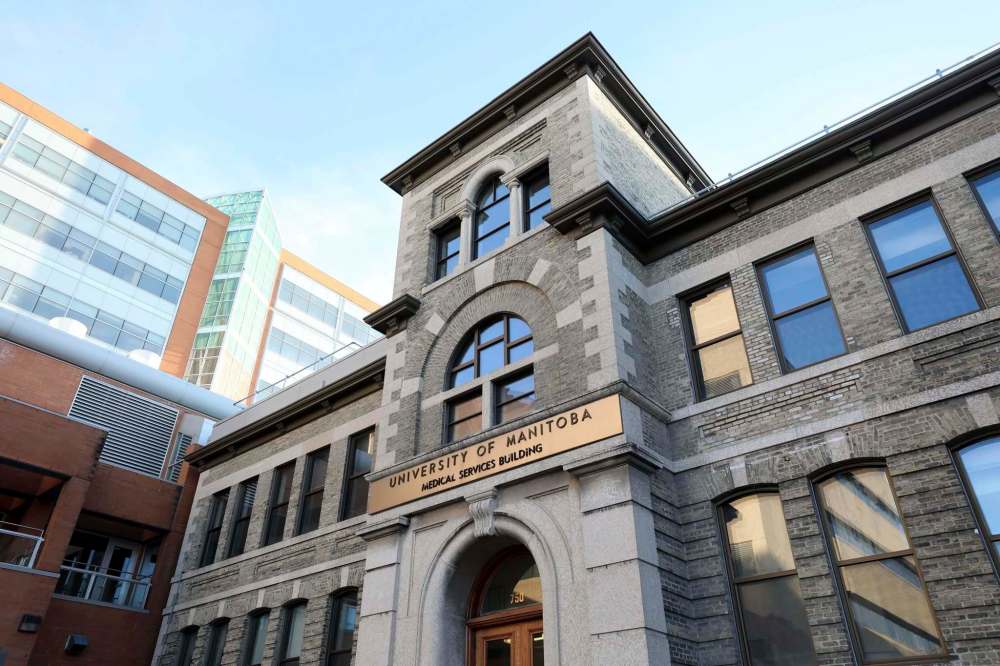
The designations — Administration Building (66 Chancellors Circle); architecture faculty building (83 Dafoe Rd.); medical services building (750 Bannatyne Ave.) — will be considered at council’s property and development committee. The bylaw requires building owners be given 14-day notice of the pending designation and their opportunity to appeal in person.
Because of the notice period, the U of M designations will be heard at the Feb. 4 meeting of the property and development committee.
The university doesn’t dispute the architectural and heritage significance of the three buildings, but claims it recognizes their value and is committed to protecting them, through its own internal policies, without the need to be formally included on the city’s list of historic buildings.
Coun. John Orlikow, chairman of the historical buildings committee and former chairman of property and development, said the U of M’s commitment to protect the buildings isn’t binding, adding he often heard owners give assurance the formal designation wasn’t needed, as they would protect the buildings.
“It’s not the first time we’ve heard that,” Orlikow (River Heights-Fort Garry) said, as committee members nodded in agreement.
In addition to the three U of M properties, the committee also supported the designation of the main Université de Saint-Boniface building (200 De La Cathedrale Ave.), which is being done with the support of school officials.

John Danakas, U of M executive director of public affairs, said the university is still considering its options on how to proceed, adding no decision has been taken on whether it will send a representative to the Feb. 4 meeting.
Former city councillor Jenny Gerbasi, who used to chair the historical buildings committee, said council set up the body of architects and engineers as an advisory group who would rely on their own expertise to consider the merits of a property’s designation.
Delegations aren’t allowed to speak at the initial stage, Gerbasi said this week, to allow the group of experts to consider among themselves the merits of designation.
“It was felt that it was the elected officials that should interact and hear public input on the merits of the recommendations once they come forward, rather than unelected heritage experts,” she said.
aldo.santin@freepress.mb.ca