

Nature conservancy buys 52 acres of Gimli-area wetlands
Lake Winnipeg's health needs greater focus: group

Advertisement
Read this article for free:
or
Already have an account? Log in here »
To continue reading, please subscribe:
Digital Subscription
One year of digital access for only $1.44 a week*
- Enjoy unlimited reading on winnipegfreepress.com
- Read the E-Edition, our digital replica newspaper
- Access News Break, our award-winning app
- Play interactive puzzles
*Billed as $5.77 plus GST every four weeks. After 52 weeks, price increases to the regular rate of $19.95 plus GST every four weeks. Offer available to new and qualified returning subscribers only. Cancel any time.
To continue reading, please subscribe:
Add Free Press access to your Brandon Sun subscription for only an additional
$1 for the first 4 weeks*
- Enjoy unlimited reading on winnipegfreepress.com
- Read the E-Edition, our digital replica newspaper
- Access News Break, our award-winning app
- Play interactive puzzles
*Your next Brandon Sun subscription payment will increase by $1.00 and you will be charged $17.95 plus GST for four weeks. After four weeks, your payment will increase to $24.95 plus GST every four weeks.
Read unlimited articles for free today:
or
Already have an account? Log in here »
Hey there, time traveller!
This article was published 28/08/2019 (2611 days ago), so information in it may no longer be current.
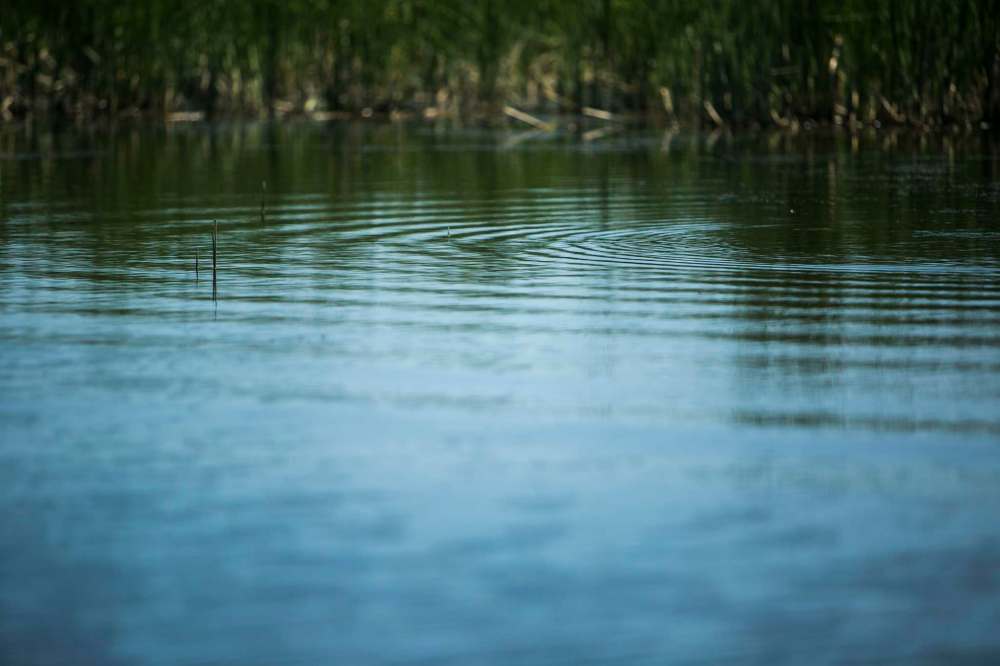
About 52 acres of marshland and forest along Lake Winnipeg’s western shore have been purchased by the Nature Conservancy of Canada, a non-profit that will work to preserve the parcel’s biodiversity.
The property, called the Husavik Coastal Wetlands, is located within the Rural Municipality of Gimli, and plays host to a wide array of flora and fauna. Kevin Teneycke, the conservancy’s Manitoba region vice-president, said the purchase is an important move toward maintaining the coastal wetland habitat, none of which is officially protected.
“Within the interlake region, coastal marshes are one of our highest-priority targets,” he said Tuesday. “This property is relatively visible and recognizable to a number of Manitobans, and the (conservancy) hopes the acquisition and other activities there raise awareness for the health of Lake Winnipeg.”
The purchase has been in the works for about 18 months and was brokered between the conservancy and a private vendor, who agreed to a sale for an undisclosed sum. Teneycke said the purchase was made possible through federal and provincial funding, as well as private investment from the Richardson Foundation.
“Nature is central to our Canadian identity, and by taking the initiative now to protect the Husavik Coastal Wetlands property, we’re ensuring our kids and grandkids can connect to nature and experience its wonder,” federal Environment and Climate Change Minister Catherine McKenna said in a statement.
Wetlands play a significant role in the environment by absorbing and storing carbon deposits, while removing sediments, excess nutrients and bacteria from the water. In addition to those duties, the biomes also serve as a habitat for plants and animals, including some whose populations are decreasing at a concerning rate.
Teneycke says the short-eared owl and the northern leopard frog, both listed as species of special concern under the national Species at Risk Act, call the Husavik land home. As well, bald eagles frequent the site in the fall.
“The parcel, as with many lakefront properties, has a risk to the habitats there as a result of nearby recreational development,” he said.
In addition to the cattail, willow and sedge wetlands and woodlands, the property contains a beach ridge — a raised bar of sandy soil that supports four acres of deciduous trees, including Manitoba maple, green ash, bur oak and eastern cottonwood.

Already, the conservancy is down to work: a group of volunteers attended the site to help identify and collect information on species there.

The conservancy aims to establish baseline inventories of the species, measure the health of its targets and identify risks or threats to those targets.
Over the next year, the conservancy will develop a detailed property management plan, Teneycke said.
The organization has overseen more than 675 conservation projects in the Lake Winnipeg watershed, encompassing more than 370,000 acres. To date, it has conserved nearly 24,000 acres of Manitoba wetlands.
ben.waldman@freepress.mb.ca
Ben Waldman is a National Newspaper Award-nominated reporter on the Arts & Life desk at the Free Press. Born and raised in Winnipeg, Ben completed three internships with the Free Press while earning his degree at Ryerson University’s (now Toronto Metropolitan University’s) School of Journalism before joining the newsroom full-time in 2019. Read more about Ben.
Every piece of reporting Ben produces is reviewed by an editing team before it is posted online or published in print — part of the Free Press‘s tradition, since 1872, of producing reliable independent journalism. Read more about Free Press’s history and mandate, and learn how our newsroom operates.
Our newsroom depends on a growing audience of readers to power our journalism. If you are not a paid reader, please consider becoming a subscriber.
Our newsroom depends on its audience of readers to power our journalism. Thank you for your support.
Advertisement Advertise With Us
Advertisement Advertise With Us
History
Updated on Wednesday, August 28, 2019 12:32 PM CDT: Updates headline