

Prairie bird population falls 53% since 1970

Advertisement
Read this article for free:
or
Already have an account? Log in here »
To continue reading, please subscribe:
Digital Subscription
One year of digital access for only $1.44 a week*
- Enjoy unlimited reading on winnipegfreepress.com
- Read the E-Edition, our digital replica newspaper
- Access News Break, our award-winning app
- Play interactive puzzles
*Billed as $5.77 plus GST every four weeks. After 52 weeks, price increases to the regular rate of $19.95 plus GST every four weeks. Offer available to new and qualified returning subscribers only. Cancel any time.
To continue reading, please subscribe:
Add Free Press access to your Brandon Sun subscription for only an additional
$1 for the first 4 weeks*
- Enjoy unlimited reading on winnipegfreepress.com
- Read the E-Edition, our digital replica newspaper
- Access News Break, our award-winning app
- Play interactive puzzles
*Your next Brandon Sun subscription payment will increase by $1.00 and you will be charged $17.95 plus GST for four weeks. After four weeks, your payment will increase to $24.95 plus GST every four weeks.
Read unlimited articles for free today:
or
Already have an account? Log in here »
Hey there, time traveller!
This article was published 21/09/2019 (2480 days ago), so information in it may no longer be current.
The drastic drop in North America’s avian population, with more than half of prairie grassland birds gone, is a downward trend that can be stopped, say two bird-loving Winnipeg biologists.
“The declines have been very steep over the past few decades, even for birds that we have generally considered to be common, but it’s not too late,” said Prof. Kevin Fraser at the University of Manitoba’s avian behaviour and conservation lab.
The journal Science on Thursday reported the number of birds in the United States and Canada has fallen by 29 per cent since 1970. There are 2.9 billion fewer birds now than there were 50 years ago. The study is based on a survey of more than 500 species using decades of standardized tallies by bird enthusiasts, including the Christmas Bird Count. It shows major losses among birds like robins and sparrows that once seemed abundant.

“It’s alarming but it’s not surprising,” said biologist Tim Poole, the Manitoba Important Bird Areas co-ordinator.
“We’ve seen these sorts of reports about the state of Canada’s birds. It’s very alarming, particularly the grassland birds.”
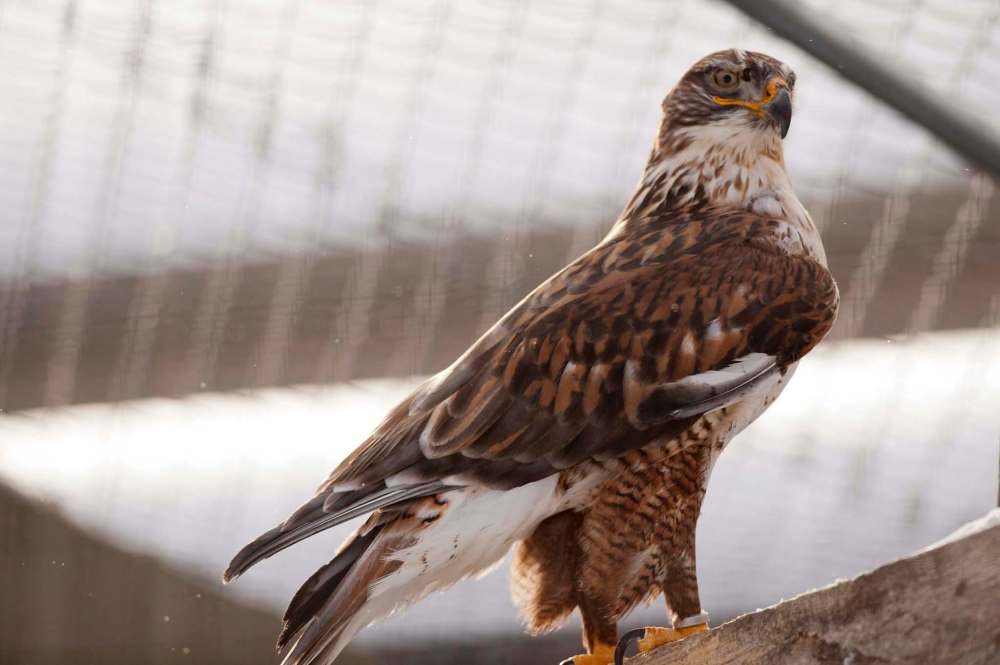
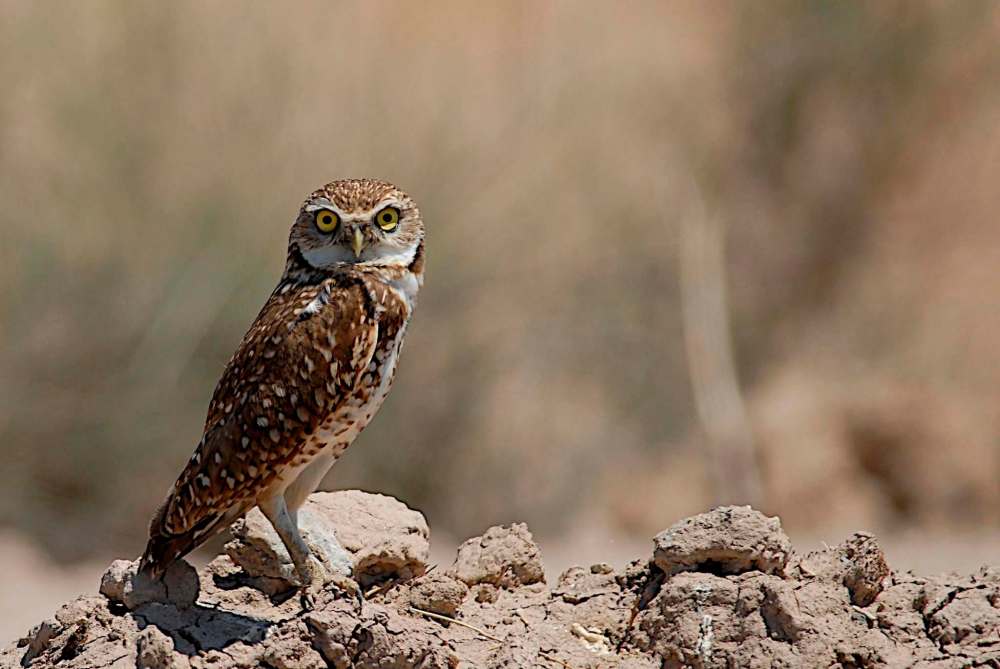
The grassland birds’ population is down by 53 per cent, the paper in Science said. Many are songbirds, like Sprague’s pipet and the chestnut-collared longspur, said Poole, whose organization identifies and tries to sustain the most important places for birds to breed, feed, rest and overwinter. The songbirds are part of the “Big 6,” including the burrowing owl, the loggerhead shrike, baird’s sparrow and the ferruginous hawk. “They’re most in danger.”
There’s no smoking gun, but chemicals, habitat loss, cats and climate change have all been blamed for wiping out birds.
“Everything is interrelated,” Pool said on Friday, which he noted was a global day of action on climate change. “We’re going to absolutely see an impact on the bird populations.”
Fraser said he will be watching how climate change affects migratory species.
“For example, if birds have similar migratory timing when we are experiencing earlier spring weather, they may arrive too late to capitalize on the peak in insects that they need to raise lots of young,” Fraser said. Many bird species are already shifting their ranges because of climate change, he said.
“We may not be seeing real flamingos any time soon, but many species are shifting northward,” said Fraser, who has serious concerns about the declining bird population.
“We’re losing the ecosystem services and important sociocultural values that birds provide — everything from insect pest control in our neighbourhoods and farms to pollination to the value of birds for ecotourism,” said Fraser, who added that bird species can be saved and populations restored.

“There are lots of things individuals can do to protect birds, including treating windows to reduce collisions or by planting native plant species that can provide good stopover habitat and food for migratory birds passing through our area,” Fraser said. Winnipeggers taking up Mayor Brian Bowman’s challenge this week to plant a million trees would be helping their feathered friends, Poole said.
Both bird experts pointed to conservation successes with increases in raptor and waterfowl numbers that they said give them hope for other bird species.
The number of North American ducks and geese has grown by 56 per cent since 1970, the report in Science said. Wetlands are the only North American habitat that experienced an overall increase in bird population — up by 13 per cent, it said.
“We can address and mitigate bird population declines with action,” Fraser said.
carol.sanders@freepress.mb.ca
Carol Sanders
Legislature reporter
Carol Sanders is a reporter at the Free Press legislature bureau. The former general assignment reporter and copy editor joined the paper in 1997. Read more about Carol.
Every piece of reporting Carol produces is reviewed by an editing team before it is posted online or published in print — part of the Free Press‘s tradition, since 1872, of producing reliable independent journalism. Read more about Free Press’s history and mandate, and learn how our newsroom operates.
Our newsroom depends on a growing audience of readers to power our journalism. If you are not a paid reader, please consider becoming a subscriber.
Our newsroom depends on its audience of readers to power our journalism. Thank you for your support.
Carol Sanders
Legislature reporter
Carol Sanders is a reporter at the Free Press legislature bureau. The former general assignment reporter and copy editor joined the paper in 1997. Read more about Carol.
Every piece of reporting Carol produces is reviewed by an editing team before it is posted online or published in print — part of the Free Press‘s tradition, since 1872, of producing reliable independent journalism. Read more about Free Press’s history and mandate, and learn how our newsroom operates.
Our newsroom depends on a growing audience of readers to power our journalism. If you are not a paid reader, please consider becoming a subscriber.
Our newsroom depends on its audience of readers to power our journalism. Thank you for your support.
Advertisement Advertise With Us
Advertisement Advertise With Us