

Good riddance to living the bubble life

Advertisement
Read this article for free:
or
Already have an account? Log in here »
To continue reading, please subscribe:

Digital Subscription
One year of digital access for only $205*
- Enjoy unlimited reading on winnipegfreepress.com
- Read the E-Edition, our digital replica newspaper
- Access News Break, our award-winning app
- Play interactive puzzles
*First annual payment billed as $205.00 + GST for one year. This annual subscription will automatically renew at $233.00 + GST every 52 weeks (10% off the regular annual price of $259.35). Offer available to new and qualified returning subscribers only. Cancel any time.
To continue reading, please subscribe:
Add Free Press access to your Brandon Sun subscription for only an additional
$1 for the first 4 weeks*
- Enjoy unlimited reading on winnipegfreepress.com
- Read the E-Edition, our digital replica newspaper
- Access News Break, our award-winning app
- Play interactive puzzles
*Your next Brandon Sun subscription payment will increase by $1.00 and you will be charged $17.95 plus GST for four weeks. After four weeks, your payment will increase to $24.95 plus GST every four weeks.
Read unlimited articles for free today:
or
Already have an account? Log in here »
Hey there, time traveller!
This article was published 29/09/2020 (2199 days ago), so information in it may no longer be current.
EDMONTON — So long, bubble hockey. I’ll never forget you, but I definitely won’t miss you.
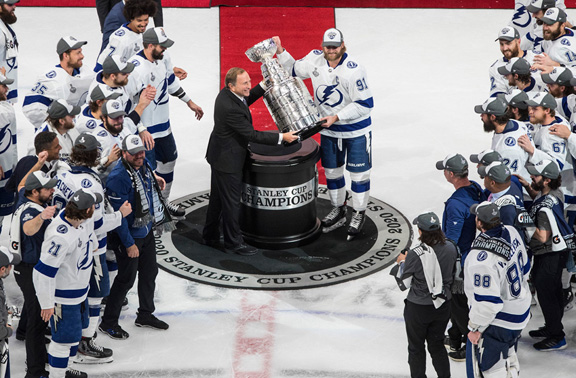
Almost as quickly as the Tampa Bay Lightning had finished parading around the ice at Rogers Place with their shiny new trophy Monday night — a surreal scene in front of a crowd smaller than you’d get at a typical Timbits game on a Winnipeg weekend — the trucks and workers began moving in to tear it all down.
Time is money, as they say. And this little social experiment cost the NHL a small fortune, to the tune of at least US$1 million per day. It was a necessary evil, one done to fulfil existing broadcast agreements and at least temporarily mitigate the financial iceberg the league had run into thanks to COVID-19.
Considering the unique circumstances, it worked as well as anyone could have hoped, a 65-day event with 130 games spread over two Canadian hub cities involving nearly 1,500 players, coaches, staff and league officials. And, most importantly, 33,394 tests and not a single positive result.
A stick tap to all involved for defying the odds and becoming the first of the big four North American pro sports leagues to crown a champion — and a most deserving one at that — while a global pandemic rages on.
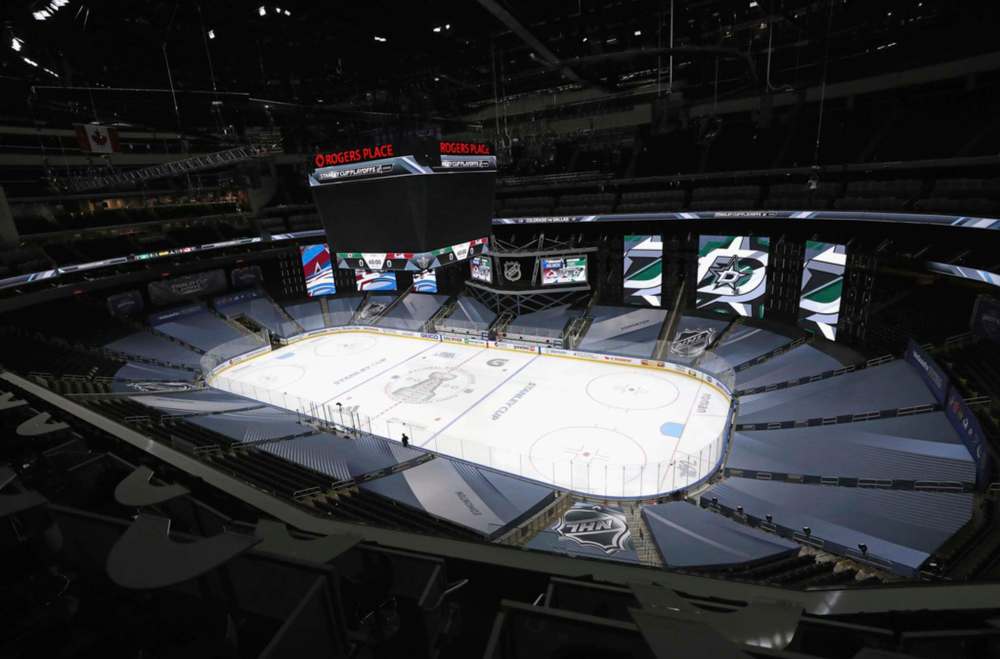
Having spent a month in Edmonton as one of the few North American hockey writers accredited to cover the playoff games — the first two weeks when the Winnipeg Jets were still playing, the last two weeks for my first Stanley Cup final — the on-ice product was stellar, with action-packed matchups and all the intensity you’d want from high-stakes hockey.
But the atmosphere, as much as the NHL tried to replicate the real thing with various bells and whistles, was sorely lacking. I never quite got used to the silence.
It was even more eerie in the seconds leading up Tampa Bay’s Stanley Cup clinching 2-0 victory over the Dallas Stars on Monday night, when you’d normally get the full-throated roar of a crowd that was about to explode. Once the pyrotechnics had been shot off, the confetti cannon emptied and the players had retreated to the locker room for Zoom calls with media, the silence was back, interrupted moments later as crews who’d been waiting outside the rink on stand-by began pouring in to burst the bubble.
Finally, a marathon 2019-20 season that seemed to go on forever, with a finish line that kept being pushed further down the road, had been completed — two days short of a full calender year.
So where do we go from here?
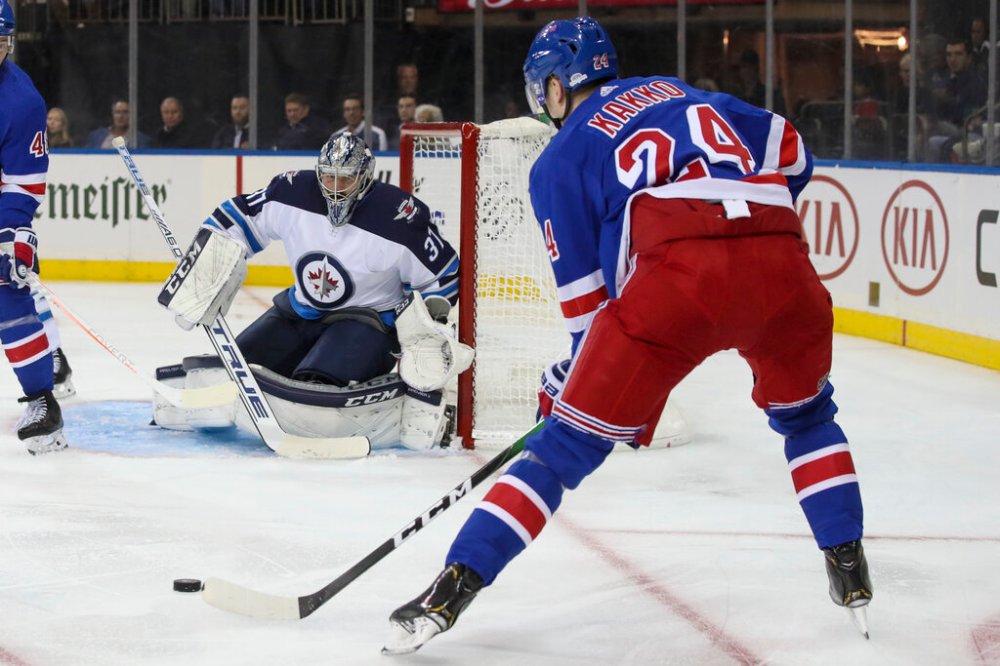
Normally, we’d all be gearing up for a new season, one filling fan bases in all 31 markets with all kinds of hope. At this time last year, I was landing in the Big Apple to cover the Jets on Broadway against the New York Rangers.
In many ways, that seems like five years ago. The world has changed, and a return to what we would now consider “normal” remains a pipe dream.
Unfortunately, so does an on-time start for a 2020-21 NHL campaign that, at best, might get underway around Christmas. At worst? Who knows. I’m beginning to wonder if we’re going to see one at all.
If, as some experts predict, we are still more than a year away from a COVID-19 vaccine, the odds of allowing large indoor gatherings for hockey games are remote. And for a league that counts on ticket sales for at least 50 per cent of revenues, that’s bad news.
Those who just experienced it aren’t jumping at the prospect of another bubble situation. Some have gone so far as to compare it to prison, which is absurd. But there’s no question there was an emotional and mental toll these well-compensated athletes separated from families for as long as three months were not used to.
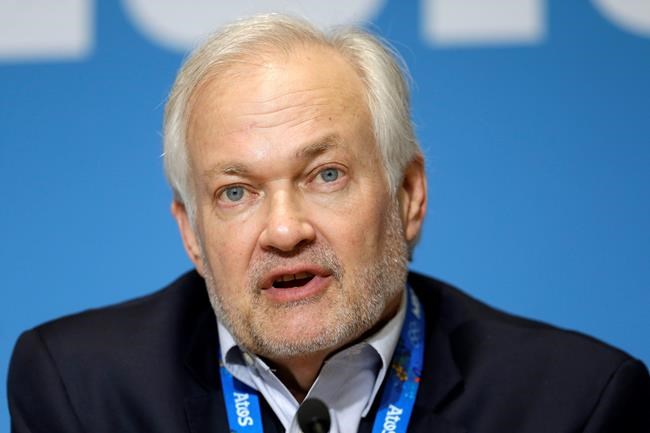
NHLPA leader Don Fehr told The Associated Press the other day this same scenario will not be repeated in the future. Nor do I think the NHL would want it to happen, considering the enormous undertaking and cost involved.
And so the search for the next big “Plan B” begins.
Short of a rapid miracle cure or a complete abdication of duty by government and health officials in NHL markets, the best-case scenario seems to be a reduced season under enhanced safety protocols, likely starting early in the new year, where teams would at least begin playing in empty rinks while also cutting down travel. Perhaps, at some point closer to the end of the regular season or the start of playoffs, small gatherings of fans would start to be allowed, as we’re now seeing in a handful of NFL stadiums.
Think of the MLB model, where a 162-game schedule was slashed to 60, and every team played games within their own division and just one of the other five divisions in the league. Which would also mean players having to accept getting paid only a portion of their salaries. The alternative — no games, no pay — would be worse.
This gets potentially dicey with seven of the NHL’s markets in Canada. The federal government previously balked at allowing the Toronto Blue Jays to host empty-stadium baseball games with visiting teams from around the United States, so it could be tough getting clearance for the 24 American-basee NHL franchises who would be heading up here in a normal regular season to be flying in and out.

That’s why you’re going to start hearing increasing chatter of a potential all-Canadian divisional realignment, a temporary move that would involve Winnipeg, Montreal, Ottawa, Toronto, Calgary, Edmonton and Vancouver playing the majority of its home games north of the border against each other, then heading south for the rest of their schedule.
As the NHL and its players get set to begin meeting in the coming days to discuss all of these issues and concerns, there’s no question they have a big problem on their hands, and big decisions to make.
But when it comes to the bubble, I believe we can say goodbye, and good riddance. No offence, but I hope to never see you again.
mike.mcintyre@freepress.mb.ca
Twitter: @mikemcintyrewpg
Mike McIntyre is a sports reporter whose primary role is covering the Winnipeg Jets. After graduating from the Creative Communications program at Red River College in 1995, he spent two years gaining experience at the Winnipeg Sun before joining the Free Press in 1997, where he served on the crime and justice beat until 2016. Read more about Mike.
Every piece of reporting Mike produces is reviewed by an editing team before it is posted online or published in print — part of the Free Press‘s tradition, since 1872, of producing reliable independent journalism. Read more about Free Press’s history and mandate, and learn how our newsroom operates.
Our newsroom depends on a growing audience of readers to power our journalism. If you are not a paid reader, please consider becoming a subscriber.
Our newsroom depends on its audience of readers to power our journalism. Thank you for your support.
Mike McIntyre is a sports reporter whose primary role is covering the Winnipeg Jets. After graduating from the Creative Communications program at Red River College in 1995, he spent two years gaining experience at the Winnipeg Sun before joining the Free Press in 1997, where he served on the crime and justice beat until 2016. Read more about Mike.
Every piece of reporting Mike produces is reviewed by an editing team before it is posted online or published in print — part of the Free Press‘s tradition, since 1872, of producing reliable independent journalism. Read more about Free Press’s history and mandate, and learn how our newsroom operates.
Our newsroom depends on a growing audience of readers to power our journalism. If you are not a paid reader, please consider becoming a subscriber.
Our newsroom depends on its audience of readers to power our journalism. Thank you for your support.
Advertisement Advertise With Us
Advertisement Advertise With Us
History
Updated on Tuesday, September 29, 2020 10:10 PM CDT: Adds photos
Updated on Wednesday, September 30, 2020 10:11 AM CDT: Corrects typo