

Optimism grows in Churchill
Northern lights may point way to post-pandemic success
Advertisement
Read this article for free:
or
Already have an account? Log in here »
To continue reading, please subscribe:

Digital Subscription
One year of digital access for only $205*
- Enjoy unlimited reading on winnipegfreepress.com
- Read the E-Edition, our digital replica newspaper
- Access News Break, our award-winning app
- Play interactive puzzles
*First annual payment billed as $205.00 + GST for one year. This annual subscription will automatically renew at $233.00 + GST every 52 weeks (10% off the regular annual price of $259.35). Offer available to new and qualified returning subscribers only. Cancel any time.
To continue reading, please subscribe:
Add Free Press access to your Brandon Sun subscription for only an additional
$1 for the first 4 weeks*
- Enjoy unlimited reading on winnipegfreepress.com
- Read the E-Edition, our digital replica newspaper
- Access News Break, our award-winning app
- Play interactive puzzles
*Your next Brandon Sun subscription payment will increase by $1.00 and you will be charged $17.95 plus GST for four weeks. After four weeks, your payment will increase to $24.95 plus GST every four weeks.
Read unlimited articles for free today:
or
Already have an account? Log in here »
Hey there, time traveller!
This article was published 04/01/2021 (2098 days ago), so information in it may no longer be current.
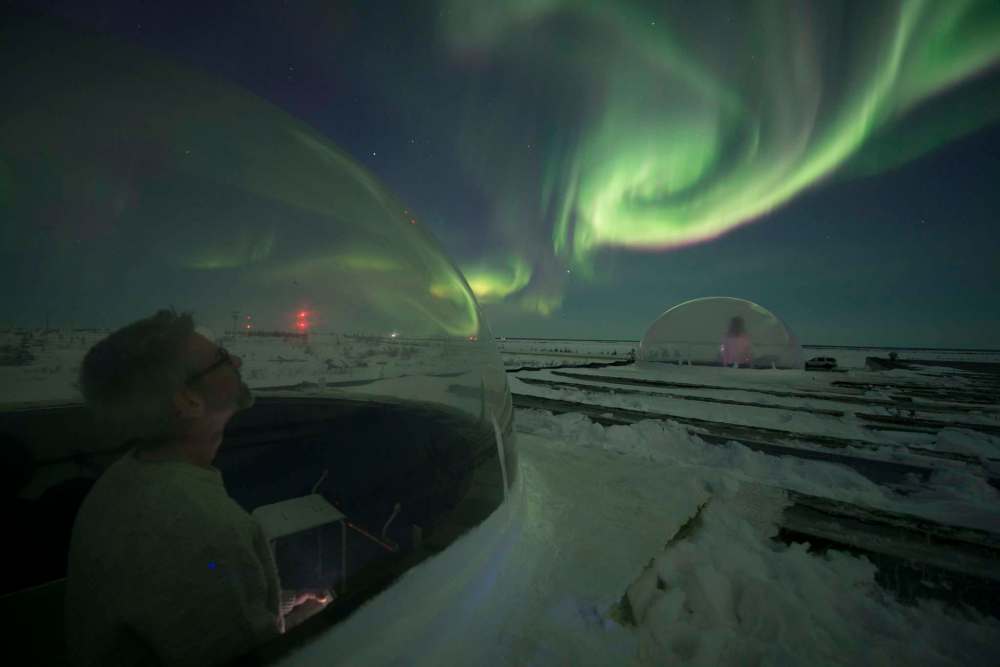
The world’s polar bear capital started 2020 with an epic northern lights season. Following the 2018 reopening of its rail link washed out some 18 months before, Churchill wowed international visitors.
The northern Manitoba town was again prepared to welcome the world, after appearing in the New York Times list of top places to visit in 2020. Then, the COVID-19 pandemic hit.
The locals made the most of their scaled-down summer tour season, and are hoping both to get the town thriving next year, and for more commercial traffic along the railway and port.
“The community has been really resilient, all along the way,” said Churchill Mayor Mike Spence. “It gave us the opportunity to really build upon the potential that we have.”
When the pandemic reached Manitoba in March, longtime tour operator John Gunter recalled a mad dash to get international visitors home as airlines started cancelling flights.
“That was a high point for 2020 for us,” said Gunter, of Frontiers North.
His company employs 30, and normally takes on up to 115 extra short-term staff; it had fewer than 50 people working in total this year.
Gunter largely welcomed summer visitors from Western Canada, who did not have to quarantine under Manitoba’s public health rules.
Tourists were physically spaced more than usual, including on the giant vehicles that roll across the tundra looking for polar bears. Gunter took the opportunity to refresh his marketing materials, filming socially-distanced guests wearing face masks.
He anticipates tourists will want to follow COVID-19 prevention practices for the near future — and visit the North for more than cuddly animals.
“It’s building beyond belugas and polar bears, and really building on our northern lights,” said Gunter, who is trying to start a restaurant aimed at tourists that runs beyond the fall.
This year, the Trudeau government aims to immunize every Canadian who wants to get vaccinated by September. Spence hopes it means more domestic visitors for Churchill, a town of less than 1,000, located some 1,000 kilometres north of Winnipeg.
“It’s really important that more Manitobans, more Canadians come up and see the national wonders… in your own backyard; you’ll be just blown away by it,” the mayor said.
However, Gunter said he’s more focused on “long-haul, high-yield guests” from abroad, who shell out for the unique experiences in the North.
Those overseeing the town’s infrastructure also hope to get more international connections.
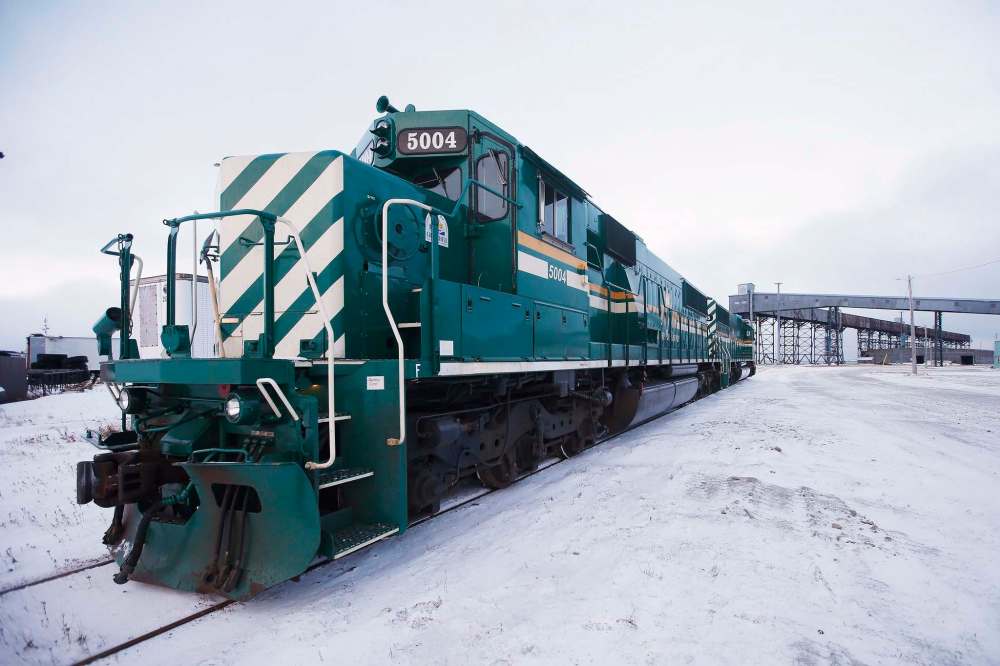
“We actually did pretty well at the Hudson Bay Railway and the Port of Churchill, considering the conditions with COVID,” said Murad al-Katib, who speaks on behalf of local ownership group Arctic Gateway.
The port maintained its usual three grain shipments this year, after signing bargaining agreements with all staff and upgrading the track.
“Water management in northern Manitoba is among the most challenging rail conditions in the world,” al-Katib said.
“This is why you need the continued support of all levels of government. This piece of infrastructure one day will become commercially viable, and the private sector will take over and invest.”
Last summer, a First Nations chief who is part of the Arctic Gateway leadership claimed the railway could stop running by Christmas if it didn’t receive more federal funds. However, al-Katib said it has managed to pull through.
Having locals run the assets is “part of Canada’s long-term solution to systemic racism and class distinction,” he said, because it will get more Indigenous people involved in the economy.
Meanwhile, Spence said the town is still moving ahead with its long-term strategy of trying to solidify itself as a hub for northern logistics.

The plan aims to help all of Manitoba, by getting more goods and fresh food to Nunavut towns and mines through Churchill’s railway and port, instead of the slower, more carbon-intensive route through the Saint Lawrence River.

This year, a University of Manitoba ice research facility is set to open, while the Northern Studies Centre is hoping to resume environmental research it paused during the pandemic.
Spence is effusive about the federal government’s economic supports, both to weather COVID-19 and to help develop local businesses.
He now wants help expanding the airport, and hopes the military will re-establish a permanent presence.
“We can play an important role in Canada’s future,” Spence said.
dylan.robertson@freepress.mb.ca