

Province to delay second doses in bid to immunize more eligible Manitobans sooner
Advertisement
Read this article for free:
or
Already have an account? Log in here »
To continue reading, please subscribe:

Digital Subscription
One year of digital access for only $205*
- Enjoy unlimited reading on winnipegfreepress.com
- Read the E-Edition, our digital replica newspaper
- Access News Break, our award-winning app
- Play interactive puzzles
*First annual payment billed as $205.00 + GST for one year. This annual subscription will automatically renew at $233.00 + GST every 52 weeks (10% off the regular annual price of $259.35). Offer available to new and qualified returning subscribers only. Cancel any time.
To continue reading, please subscribe:
Add Free Press access to your Brandon Sun subscription for only an additional
$1 for the first 4 weeks*
- Enjoy unlimited reading on winnipegfreepress.com
- Read the E-Edition, our digital replica newspaper
- Access News Break, our award-winning app
- Play interactive puzzles
*Your next Brandon Sun subscription payment will increase by $1.00 and you will be charged $17.95 plus GST for four weeks. After four weeks, your payment will increase to $24.95 plus GST every four weeks.
Read unlimited articles for free today:
or
Already have an account? Log in here »
Hey there, time traveller!
This article was published 03/03/2021 (2035 days ago), so information in it may no longer be current.
Second doses of the COVID-19 vaccine will be given to Manitobans four months after the first, in the wake of new guidance from the National Advisory Committee on Immunization.
Provincial public health officials are comfortable extending the period between first and second doses based on emerging evidence showing a single shot of either the Moderna or Pfizer-BioNTech vaccine is still highly effective, said Dr. Joss Reimer, medical lead for the Manitoba vaccine task force.
“Manitoba will be delaying the second dose, and this is true no matter which vaccine we are talking about,” Reimer said Wednesday afternoon.
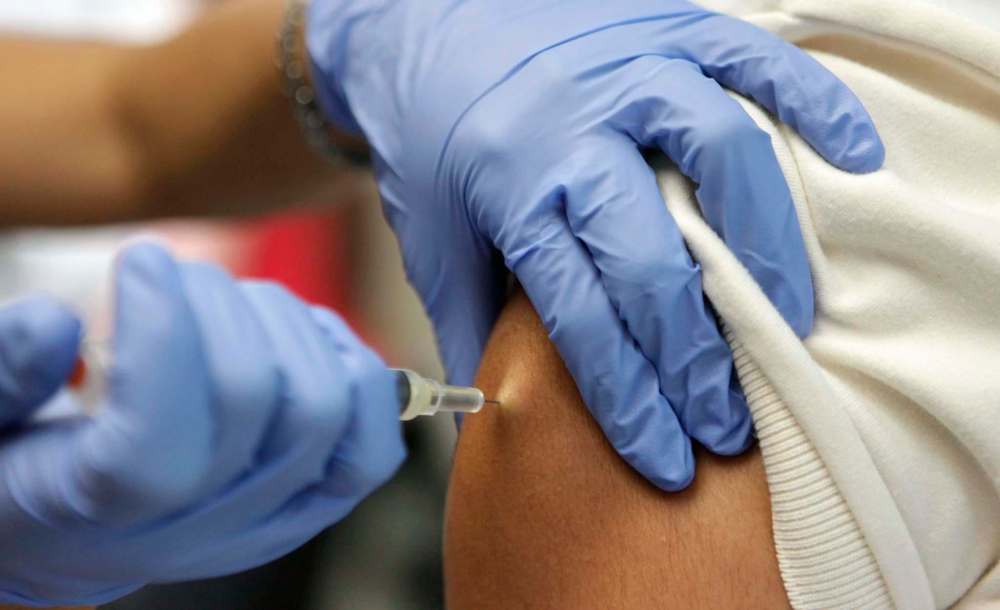
“This approach will allow us to immunize more eligible Manitobans sooner, and this helps protect us all,” she said. “These vaccines are providing a significant level of protection even after one dose. This means that there’s more of a clear advantage to getting vaccine to more people, sooner.”
On Wednesday, the national independent advisory committee updated its guidance and recommended, as long as COVID-19 vaccine supply is limited, jurisdictions should maximize the number of people benefiting from the first dose of vaccine by delaying the required second dose by four months.
“Certainly, the whole goal of this is to speed up the ability to reach all Manitobans with the first dose. So we do anticipate that all Manitobans will be reached much quicker than the original plan of ensuring that the second dose occurred at the three- or four-week window,” Reimer said.
The team is still crunching the numbers to see how the extended period between doses will advance the province’s roll-out schedule, said Johanu Botha, co-lead for the vaccine task force.
Previously, the province’s plans said all eligible Manitobans would have a chance to be vaccinated by the end of August, with a high supply of vaccines.
According to the national advisory committee, an estimated 80 per cent of the population 16 years of age and over could be offered a dose of messenger RNA vaccine by the end of June if a four-month dosing schedule is implemented in March.
“The very nature of pivoting to this dose-one strategy and temporarily delaying the second one is that we will get to the population faster. I think the math is clear,” Botha said. “We will see a shrinking of those timelines; we want to go through our analysis and provide the most accurate picture to Manitobans as possible.”
Individuals who have already booked an appointment for a second shot will still be able to receive the dose as scheduled, Botha said.
As of Wednesday, the total daily capacity for immunizations was 12,499. The province has planned to ramp up capacity to 20,000 daily doses by April 1, in anticipation of increased vaccine supply deliveries.
“We’ve got about a month, just less than a month, to get us to 20,000-doses-a-day capacity, but certainly, at the moment, no red flags in terms of the rate in which we’re creeping up,” Botha said.
The search for suitable sites for large-scale vaccination clinics continues, he said, but has been challenging due to strict infrastructure requirements for infection prevention and control.
With the province opting to delay second doses, Botha said the existing immunization infrastructure can “completely handle” the switch and still keep up with confirmed vaccine supply.
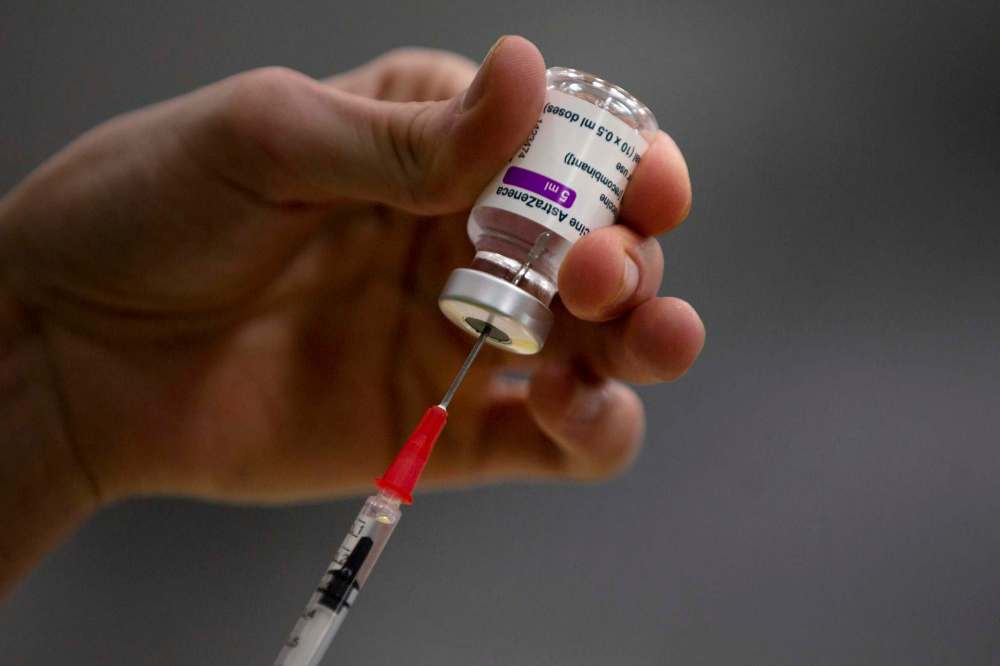
“I think our system is capable of handling it. It’s just a matter of… how much faster do we get through them.”
The province has yet to receive confirmed shipments for Pfizer and Moderna into April, Botha said. The task force is also planning for multiple delivery scenarios, where the province may receive a steady flow of vaccines or bulk deliveries at the beginning or end of the second quarter.
Throughout March, the province is expecting to receive about 15,000 doses per week.
Data on the performance of messenger RNA vaccines in real-world applications has shown a single dose can be highly effective against SARS-CoV-2, the virus that causes COVID-19, said Reimer.

“Across the board, we’re seeing very similar results showing that the first dose is protective in the real world 70 to 80-plus per cent. Which is excellent,” Reimer said. “Some of the data goes as far as two months.”
However, she acknowledged data specific to COVID-19 vaccines does not yet exist to indicate continued efficacy of a single dose for up to four months. As such, the province will be monitoring how the first dose of the vaccine performs over time.
“If there’s any signs after that two-month point that immunity starts to decrease, we can pivot again,” Reimer said. “We need to be ready to adapt to new information as it comes in.
“Based on the information available to us, this is the best plan. We have seen protection in other jurisdictions that have gone this route, and we want to be able to give that same protection to all Manitobans as quickly as possible,” Reimer said. “And then move on to dose two, once we’ve given that first layer of protection to everybody.”
danielle.dasilva@freepress.mb.ca
Expanded eligibility
Manitobans ages 89 and older and First Nations people ages 69 and up are now eligible to get vaccinated against the novel coronavirus.
Public health officials have expanded the eligibility, and said people who are eligible can book an appointment by calling 1-844-626-8222. Appointments are available in Winnipeg, Brandon, Thompson and Selkirk.
More than 80,000 Manitobans have received at least the first dose of vaccine so far.
Related Articles
Ontario to extend COVID-19 shot intervals


Advertisement Advertise With Us
Advertisement Advertise With Us
History
Updated on Wednesday, March 3, 2021 6:06 PM CST: Full write thru with extra info, quotes, sidebar, photos, new headline