

Premier’s advisory group’s focus narrow by design
Advertisement
Read this article for free:
or
Already have an account? Log in here »
To continue reading, please subscribe:

Digital Subscription
One year of digital access for only $205*
- Enjoy unlimited reading on winnipegfreepress.com
- Read the E-Edition, our digital replica newspaper
- Access News Break, our award-winning app
- Play interactive puzzles
*First annual payment billed as $205.00 + GST for one year. This annual subscription will automatically renew at $233.00 + GST every 52 weeks (10% off the regular annual price of $259.35). Offer available to new and qualified returning subscribers only. Cancel any time.
To continue reading, please subscribe:
Add Free Press access to your Brandon Sun subscription for only an additional
$1 for the first 4 weeks*
- Enjoy unlimited reading on winnipegfreepress.com
- Read the E-Edition, our digital replica newspaper
- Access News Break, our award-winning app
- Play interactive puzzles
*Your next Brandon Sun subscription payment will increase by $1.00 and you will be charged $17.95 plus GST for four weeks. After four weeks, your payment will increase to $24.95 plus GST every four weeks.
Read unlimited articles for free today:
or
Already have an account? Log in here »
Hey there, time traveller!
This article was published 26/10/2022 (1423 days ago), so information in it may no longer be current.
It appears the Stefanson government is under the false assumption that only members of the business community are qualified to advise the province on how to make Manitoba a more prosperous and attractive place to live.
The province launched its new Premier’s Economic Advisory Committee last week as part of a commitment to “support Manitoba businesses, create opportunities for young Manitobans and spur economic growth.”
In a news release, the government says it is committed to “making Manitoba a more attractive place for families, businesses and newcomers to live and invest in.” As such, it has created a new economic advisory council to make recommendations on how to better achieve those goals.
Trouble is, the advisory council is made up exclusively of members from the business community. There are no representatives from labour, the not-for-profit sector (including the arts), anti-poverty organizations, the LGBTTQ+ community or environmental groups. The Indigenous Chamber of Commerce has been given a seat at the table, which is a positive step.
MIKAELA MACKENZIE / WINNIPEG FREE PRESS Manitoba Premier Heather Stefanson.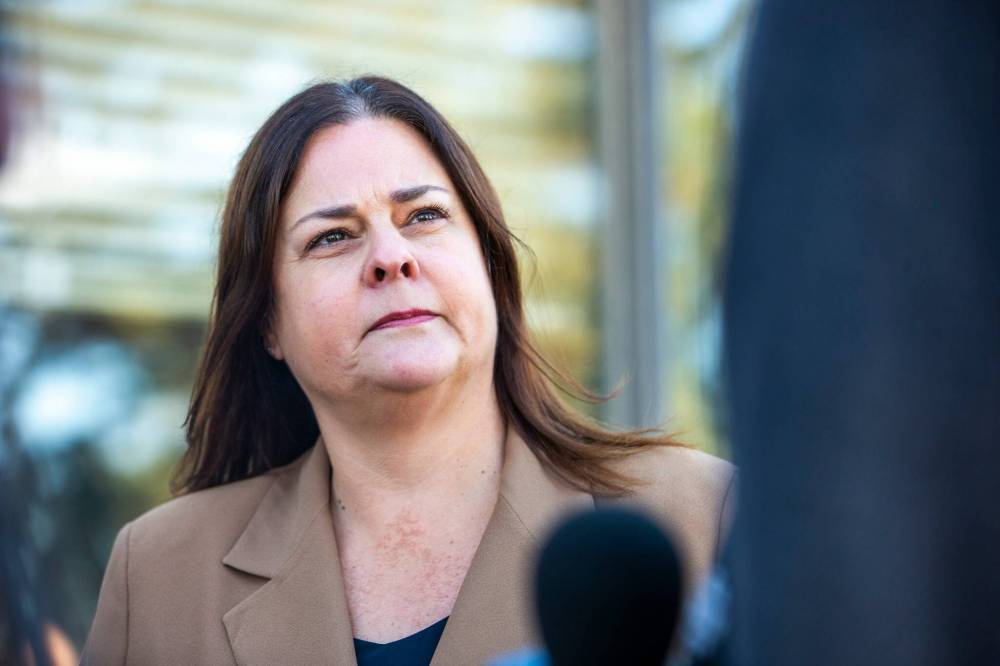
However, there is no representation from First Nations or Métis governing bodies, such as the Assembly of Manitoba Chiefs or the Manitoba Métis Federation. There are also no economists or other academics, such as political scientists or urban planners, on the council who could provide government with valuable input and independent analysis on how to make Manitoba a more prosperous and attractive province.
Instead, government has chosen to hear from a narrow segment of society, whose views are likely limited to how public policy changes affect their specific interests.
The same is true for the working group on tax competitiveness the Stefanson government has created. The new committee, which will provide policy advice to the advisory council on how to modernize the tax system, is made up almost entirely of business community members.
It’s important to hear from the tax experts who have been appointed to the working group. They will no doubt provide the province with valuable advice. However, there are many others outside the business community who have expertise on tax reform, including from the not-for-profit sector and academia, who could offer alternative perspectives.
Municipalities, meanwhile — including the City of Winnipeg — are in a unique position to provide input into tax reform. The need for growth revenues at the local government level, whether through municipal sales taxes or a share of provincial levies, has never been greater. The debate around that is long overdue.
Despite that, municipalities are not part of the Stefanson government’s advisory council, nor the working group on tax competitiveness.
Tax reform affects everyone, not just the business community. How governments tax individuals and corporations is one of the most critical areas of government policy. Elected officials should reach out to a broad sector of society for input on modernizing the tax system, and on growing the economy, to ensure the interests of everyone are represented.
The failure of Premier Heather Stefanson to do so is at odds with the commitment she made last year to do a better job than her predecessor, former premier Brian Pallister, of listening to Manitobans. One of the most important functions of a first minister is to consult broadly before making major policy changes, including tax reform.
It appears Ms. Stefanson still has a lot to learn on that front.