

Waiting for answers, treatment ‘absolute horror,’ frustrated Manitoba cancer patient says

Advertisement
Read this article for free:
or
Already have an account? Log in here »
To continue reading, please subscribe:

Digital Subscription
One year of digital access for only $205*
- Enjoy unlimited reading on winnipegfreepress.com
- Read the E-Edition, our digital replica newspaper
- Access News Break, our award-winning app
- Play interactive puzzles
*First annual payment billed as $205.00 + GST for one year. This annual subscription will automatically renew at $233.00 + GST every 52 weeks (10% off the regular annual price of $259.35). Offer available to new and qualified returning subscribers only. Cancel any time.
To continue reading, please subscribe:
Add Free Press access to your Brandon Sun subscription for only an additional
$1 for the first 4 weeks*
- Enjoy unlimited reading on winnipegfreepress.com
- Read the E-Edition, our digital replica newspaper
- Access News Break, our award-winning app
- Play interactive puzzles
*Your next Brandon Sun subscription payment will increase by $1.00 and you will be charged $17.95 plus GST for four weeks. After four weeks, your payment will increase to $24.95 plus GST every four weeks.
Read unlimited articles for free today:
or
Already have an account? Log in here »
Hey there, time traveller!
This article was published 02/01/2023 (1364 days ago), so information in it may no longer be current.
At the beginning of 2022, Rick Wiens was diagnosed with prostate cancer. At the beginning of 2023, he’s preparing to start chemotherapy — his final treatment option.
The 70-year-old Winnipegger is among an unknown number of Manitobans who are dealing with worsening, life-threatening medical conditions that have only progressed over the course of the pandemic because of delays in testing, diagnosis, specialist consultation, surgery and other treatments.
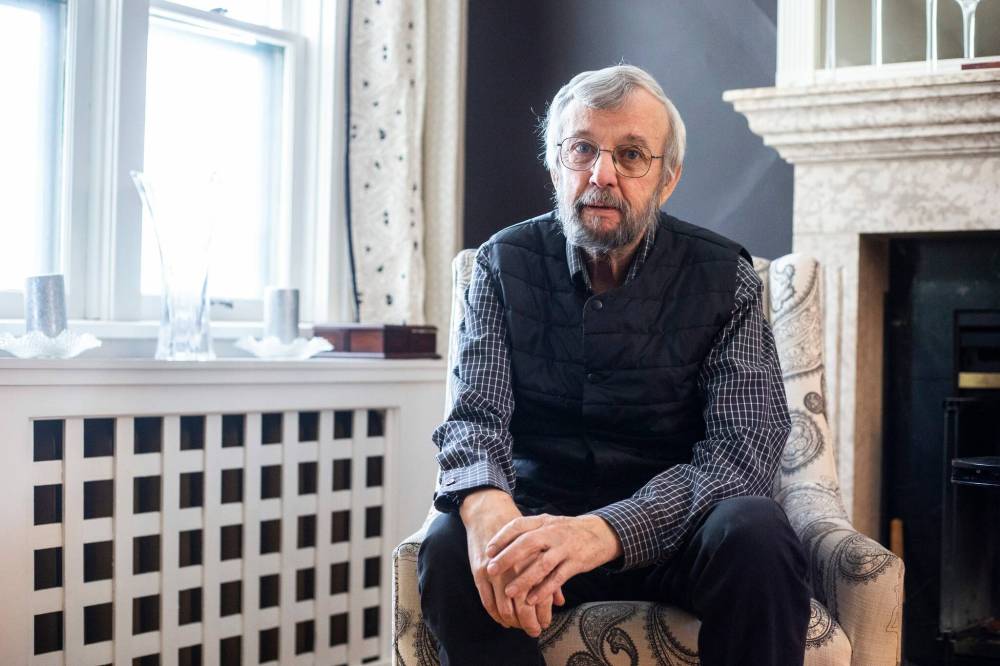
Waiting for answers in a “broken” health-care system is akin to torture, Wiens said.
MIKAELA MACKENZIE / WINNIPEG FREE PRESS
Waiting for answers in a “broken” health-care system is akin to torture, says Rick Wiens, who is set to undergo chemo as a final treatment option for prostate cancer.
“The absolute horror of going through this system is waiting and waiting,” he said.
“You’re waiting for diagnoses, you’re waiting for consultation, you’re waiting for something to be done. And you just keep waiting and waiting.”
The impact of the pandemic on cancer diagnosis and treatment in the province is being studied by a research team at CancerCare Manitoba. So far, it has revealed only a short-lived drop in diagnoses in early 2020, and by September 2020, no decline in diagnoses, radiation or chemotherapy treatments, a spokesperson stated.
Like many, Wiens stopped going for his routine bloodwork in the first months of the pandemic. He was feeling healthy and didn’t want to risk getting COVID-19. He didn’t know he’d later suffer from an aggressive form of prostate cancer.
He found out he likely had the disease last January, but the diagnosis wasn’t confirmed until after a biopsy in April (the results of which didn’t arrive until May). He opted for surgery, and joined the queue in June. Eventually, his surgery date was set for Sept. 13, but it was only prioritized after Wiens spent five weeks reporting worsening symptoms to his doctors and surgeon with no response. In August, he went to urgent care to have a catheter inserted after showing up at a walk-in clinic with a swollen leg. His bladder was near-bursting and causing fluid retention.
A week before the scheduled surgery, Wiens was informed the procedure was being postponed because of a lack of staffed operating-room space. Three weeks later, in early October, he had the surgery and later learned it was unsuccessful because of the way the cancer had grown and attached to other organs. Another delay in getting an appointment with a radiologist had Wiens insisting his family doctor “light a fire under them.”
As a patient, advocacy is necessary, he discovered.
“Learn to advocate for yourself. Do whatever you can not to tolerate the delays that are currently built into the system.”
But radiation wasn’t a treatment option for him, either. The cancer had spread too far. After consulting with a medical oncologist in December, Wiens learned the cancer had metastasized to his bones, lungs and, possibly, to his liver. He said he’s never lost hope, but he can’t help thinking of his prognosis as a “death sentence.” The chemo, he knows, won’t cure him.
“Like the medium is the message, the system is delays,” he said.
“And those delays can sometimes, like in my case, be fatal.”
After his surgery failed, Wiens said three different doctors told him the same thing: the outcome wouldn’t have been any different if he’d had the surgery sooner.
MIKAELA MACKENZIE / WINNIPEG FREE PRESS
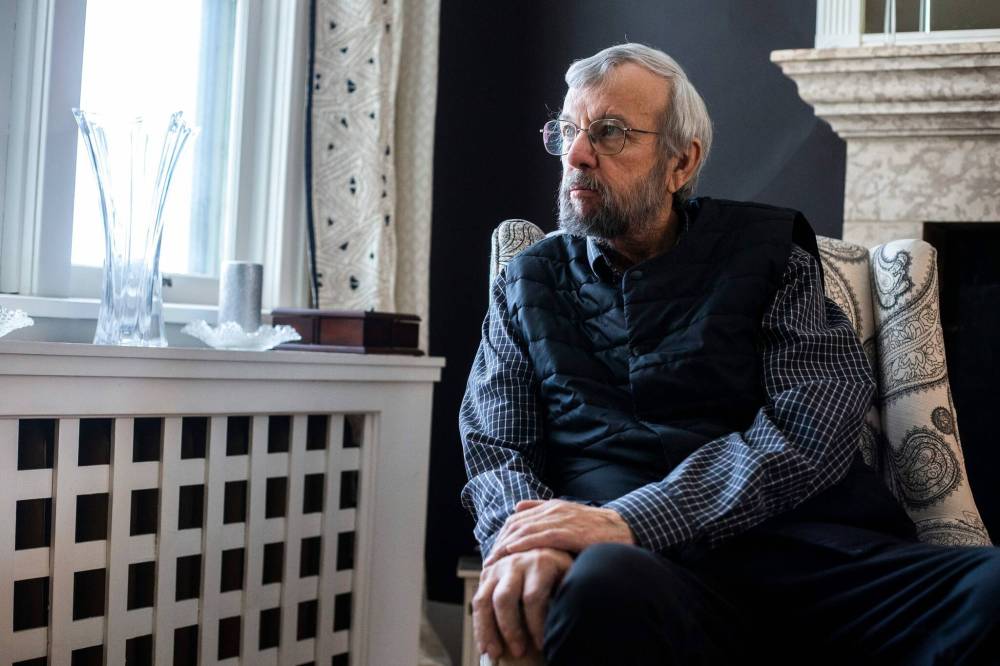
Rick Wiens said his experience is a clear indication the system seriously under-resourced, and the professionals working in it are extremely overworked. He said it’s important for the public to know they have to advocate for themselves.
“Don’t think that the outcome would’ve been different had we done anything earlier. Almost those exact words from three different doctors,” he recalled, saying it sounded to him like a “poor excuse.”
There’s no official estimate of the number of Manitobans who are suffering worsened medical conditions since the beginning of the pandemic. It’s a problem physician-advocacy group Doctors Manitoba is concerned about, spokesman Keir Johnson said.
“Physicians have been concerned since the beginning of the pandemic about how the disruptions in testing and surgeries would lead not only to longer wait times, but also to deteriorating medical conditions that end up requiring more complicated care. That’s why we’ve pressed for more surgical and testing capacity, to get patients the care they need without lengthy delays,” he said.

Data for 2022 is not yet available through CancerCare, but the agency stated about 750 Manitoba men are diagnosed with prostate cancer annually, and about 190 die of the disease each year.
Wiens said his experience is a clear indication the system seriously under-resourced, and the professionals working in it are extremely overworked. He said it’s important for the public to know they have to advocate for themselves.
“In hindsight, if you’re having routine tests done, keep having them,” he said.
“Always remember, your frustration is a single frustration. The people you need to contact to get the help you need, who are working in this broken system, have to deal with dozens, scores, perhaps hundreds of those frustrations. Remember this when advocating for yourself and try your best to be kind. They didn’t make it this way.”
katie.may@freepress.mb.ca
Katie May is a multimedia producer for the Free Press.
Our newsroom depends on a growing audience of readers to power our journalism. If you are not a paid reader, please consider becoming a subscriber.
Our newsroom depends on its audience of readers to power our journalism. Thank you for your support.
Katie May is a multimedia producer for the Free Press.
Our newsroom depends on a growing audience of readers to power our journalism. If you are not a paid reader, please consider becoming a subscriber.
Our newsroom depends on its audience of readers to power our journalism. Thank you for your support.
Advertisement Advertise With Us
Advertisement Advertise With Us