

Manitoba uses crime fund to pay for northern internet
Advertisement
Read this article for free:
or
Already have an account? Log in here »
To continue reading, please subscribe:
Digital Subscription
One year of digital access for only $1.44 a week*
- Enjoy unlimited reading on winnipegfreepress.com
- Read the E-Edition, our digital replica newspaper
- Access News Break, our award-winning app
- Play interactive puzzles
*Billed as $5.77 plus GST every four weeks. After 52 weeks, price increases to the regular rate of $19.95 plus GST every four weeks. Offer available to new and qualified returning subscribers only. Cancel any time.
To continue reading, please subscribe:
Add Free Press access to your Brandon Sun subscription for only an additional
$1 for the first 4 weeks*
- Enjoy unlimited reading on winnipegfreepress.com
- Read the E-Edition, our digital replica newspaper
- Access News Break, our award-winning app
- Play interactive puzzles
*Your next Brandon Sun subscription payment will increase by $1.00 and you will be charged $17.95 plus GST for four weeks. After four weeks, your payment will increase to $24.95 plus GST every four weeks.
Read unlimited articles for free today:
or
Already have an account? Log in here »
Hey there, time traveller!
This article was published 25/07/2023 (1182 days ago), so information in it may no longer be current.
The Manitoba government is spending $100,000 from its criminal property forfeiture fund to bring Elon Musk’s satellite internet service to eight remote First Nations for court and justice purposes.
Justice Minister Kelvin Goertzen said Starlink will be used for virtual court appearances, victims’ services, crisis teams and MMIWG teams in the northern communities.
Vulnerable youth will use the high-speed internet service for remote access to services or supports offered through a new youth healing lodge in Thompson that is run by Manitoba Keewatinowi Okimakanak, the province announced Tuesday.
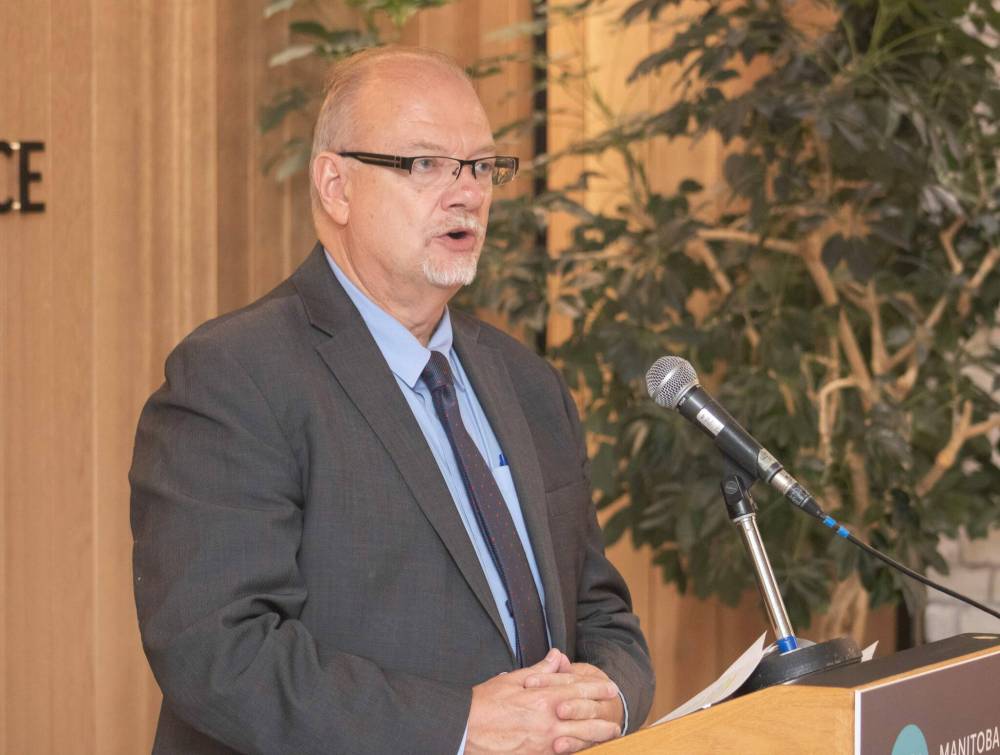
Mike Thiessen / Winnipeg Free Press
Justice Minister Kelvin Goertzen said Starlink will be used for virtual court appearances, victims’ services, crisis teams and MMIWG teams in the northern communities.
MKO represents 26 northern First Nations.
The service will be used in Misipawistik, Chemawawin, Mathias Colomb, Mosakahiken, Bunibonibee and Tataskweyak Cree Nations, and Northlands Denesuline and Shamattawa First Nations.
In a news release, Goertzen said the broader community will use Starlink for education, training and programming.
MKO Grand Chief Garrison Settee cited medical consultations as another example.
“The exciting thing about this initiative is that the setup time to provide an active link and put it in service isn’t long,” he said in the news release. “We can see the benefits in days, not years.”
First Nations safety officers will use the systems to communicate with other police agencies and people involved in the justice system.
The province said the internet project is being carried out in partnership with MKO and the Manitoba Association of Chiefs of Police.

Provincial law allows the government to seize assets, such as homes or cars, that are confirmed or alleged to be proceeds of crime or were used to commit one.
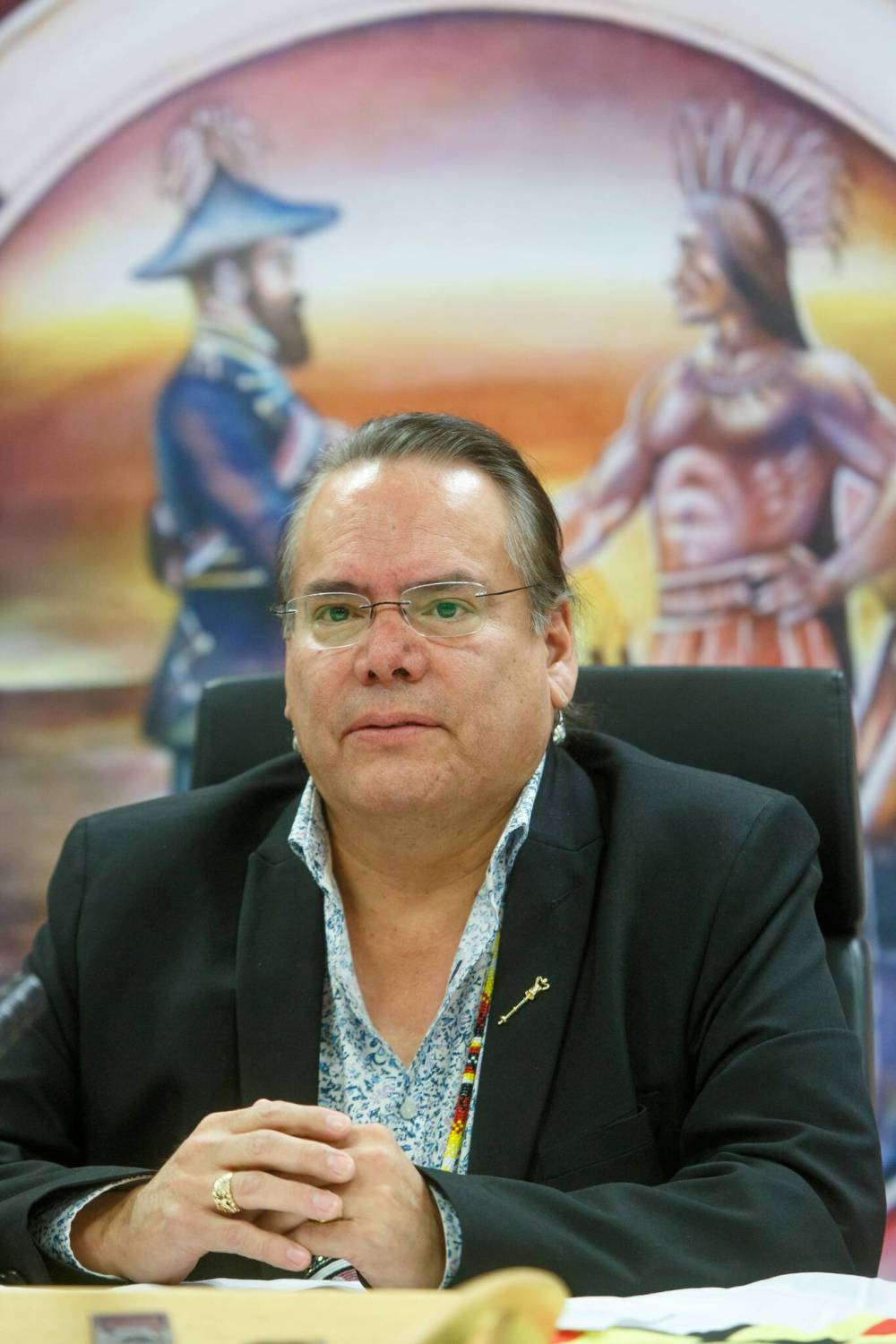
MIKE DEAL / WINNIPEG FREE PRESS FILES
“We can see the benefits in days, not years,” said Grand Chief Garrison Settee of the Manitoba Keewatinowi Okimakanak (MKO).
Cash and proceeds from the sales of forfeited properties are put into the criminal property forfeiture fund, which is used to compensate victims and help fund victim services and specific initiatives by Manitoba police agencies.
In 2022-23, the criminal property forfeiture unit seized an estimated $7 million, said its executive director, Melinda Murray, at a July news conference.
At that event, $1 million was allocated to crime prevention measures and training for Winnipeg Police Service officers.
— Staff