A pattern of none and done Manitoba’s judiciary has failed to offer up any recommendations for change in two-thirds of inquests examining fatal shootings by police, leaving victims’ families and advocates questioning the value of the proceedings
Read this article for free:
or
Already have an account? Log in here »
To continue reading, please subscribe:

Digital Subscription
One year of digital access for only $205*
- Enjoy unlimited reading on winnipegfreepress.com
- Read the E-Edition, our digital replica newspaper
- Access News Break, our award-winning app
- Play interactive puzzles
*First annual payment billed as $205.00 + GST for one year. This annual subscription will automatically renew at $233.00 + GST every 52 weeks (10% off the regular annual price of $259.35). Offer available to new and qualified returning subscribers only. Cancel any time.
To continue reading, please subscribe:
Add Free Press access to your Brandon Sun subscription for only an additional
$1 for the first 4 weeks*
- Enjoy unlimited reading on winnipegfreepress.com
- Read the E-Edition, our digital replica newspaper
- Access News Break, our award-winning app
- Play interactive puzzles
*Your next Brandon Sun subscription payment will increase by $1.00 and you will be charged $17.95 plus GST for four weeks. After four weeks, your payment will increase to $24.95 plus GST every four weeks.
Read unlimited articles for free today:
or
Already have an account? Log in here »
Hey there, time traveller!
This article was published 12/09/2023 (1100 days ago), so information in it may no longer be current.
Under Canadian law, police officers must believe their own life, or that of another, is fundamentally at risk — or at risk of “grievous bodily harm” — to use lethal force.
The Inquest Files
A Free Press investigation into judicial oversight of fatal shootings by police
Part 1: Plagued by delays
Part 2: A mother’s anguish
Part 3: On the witness stand
Part 4: Case closed
That scenario has played out 29 times in Manitoba since 2003, with Winnipeg Police Service responsible for 21 deaths, RCMP for seven and the Manitoba First Nations Police Service for one.
The number of fatal shootings involving law enforcement, both in Manitoba and across Canada, has increased in recent years.
The trend has intensified public scrutiny of police conduct and raises questions about whether mandatory inquests are achieving their goal of exploring ways to prevent future deaths.
To find out, the Free Press put two decades of inquests examining deadly encounters with a police bullet under the microscope. Part 4 of our four-part series looks at how inquests rarely result in substantial change.
For decades, Cree lawyer Donald Worme has had a front-row seat at inquiries, inquests and commissions investigating the treatment of Indigenous people by police.
Worme represented the family of Anishinaabe teenager Matthew Dumas, who was fatally shot by a Winnipeg police officer in 2005, at an inquest.
He represented the family of Neil Stonechild, an Anishinaabe teen who froze to death in 1990 on the outskirts of Saskatoon after being taken into custody by police, at an inquiry into the suspected Starlight Tour.
And he served as commission counsel in the Ipperwash Inquiry in Ontario, which examined the fatal shooting of unarmed Anishinaabe land protester Dudley George in 1995.
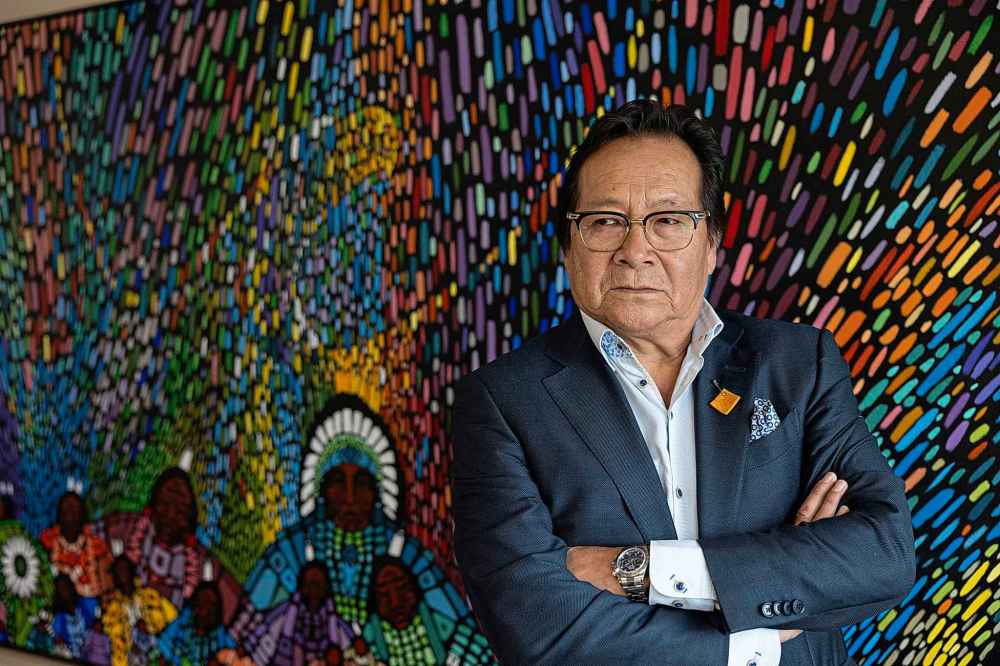
Worme, who is from Kawacatoose First Nation in Saskatchewan, is no stranger to the procedural restrictions, delays and other legal wranglings that are part of the inquest process.
But when presented with the findings of a Free Press investigation, he was taken aback.
Worme called Manitoba’s judiciary “heartless” for opting to make no recommendations in two-thirds of all inquests into fatal shootings by police held over the last two decades.
“It’s just ridiculous,” a stunned Worme said in an interview. “I mean that is unbelievable. That the powers that be would permit such an exercise and then have it (be) completely empty. I just feel for the families that have lost loved ones. Their grief never goes away.”
“I mean that is unbelievable. That the powers that be would permit such an exercise and then have it (be) completely empty.”
Since 2003, police officers in Manitoba have shot and killed 29 people. But just 14 inquests into these deaths have been completed. (One inquest examined two deaths.)
Judges opted not to make recommendations in nine of the 14 inquests; when recommendations were made, they sometimes simply urged a party to “consider” adopting a particular policy, rather than actually implementing it.
Only once has an inquest into a fatal shooting by police called for an increase in funding. In that case, it was for additional RCMP officers at a remote detachment.
And only once has a recommendation touched on mental health, though it was not about the adequacy of mental-health services, but whether the province’s Mental Health Act has strong enough provisions to protect public safety.
The goal of inquests in Manitoba, which are held by a provincial court judge, is twofold: examine the circumstances of how a person died and consider if recommendations can be made to prevent similar deaths in the future.
“Do these institutions not give a damn about their reputations and about their motto to serve the communities?”
The Fatality Inquiries Act — which governs inquests in Manitoba — states any recommendations must be on “provincial laws or the programs, policies and practices of the provincial government or of public agencies or institutions to prevent deaths in similar circumstances.”
In their inquest reports, judges’ explanations for not making recommendations varied: potential changes had already been implemented by the time an inquest rolled around; no deficiencies were identified; or possible changes were outside an inquest’s scope.
Whatever the reason, the lack of recommendations did not sit right with Worme.
“Do these institutions not give a damn about their reputations and about their motto to serve the communities?” he said. “I can only — I mean, I don’t know, I’m uncharacteristically lost for words.”
In light of the public’s desire for increased scrutiny of law enforcement, the Free Press examined the inner workings of these mandatory inquests.
A four-month investigation uncovered an oversight mechanism plagued by delays and tipped heavily in favour of law enforcement and one that has not led to meaningful change.
Despite the dearth of recommendations, Manitoba judges have acknowledged their importance.
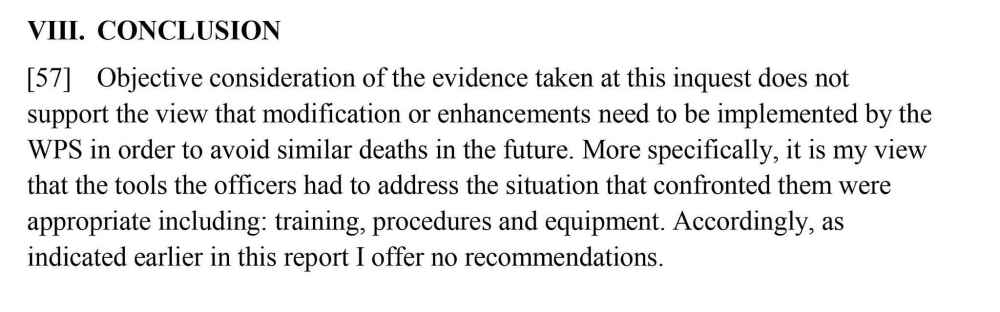
In his report into the 2007 fatal shooting of Roy Bell by a Winnipeg police officer, Judge Dale Schille criticized the 10-year delay for the inquest to take place and wrote the “primary goal” of any inquest is to generate recommendations that might help prevent future deaths.
“The delay is perhaps best considered in terms of the lives that may be put at risk or lost as a result of potential changes not implemented in a timely manner,” Schille wrote.
However, Schille did not make any recommendations.
He pointed out enhancements had been made to Winnipeg police Taser equipment since Bell’s death. An officer’s Taser did not properly deploy prior to Bell being shot.
In an interview with the Free Press during her last week as provincial court chief judge, Margaret Wiebe stressed the judiciary takes its duty to consider recommendations seriously.
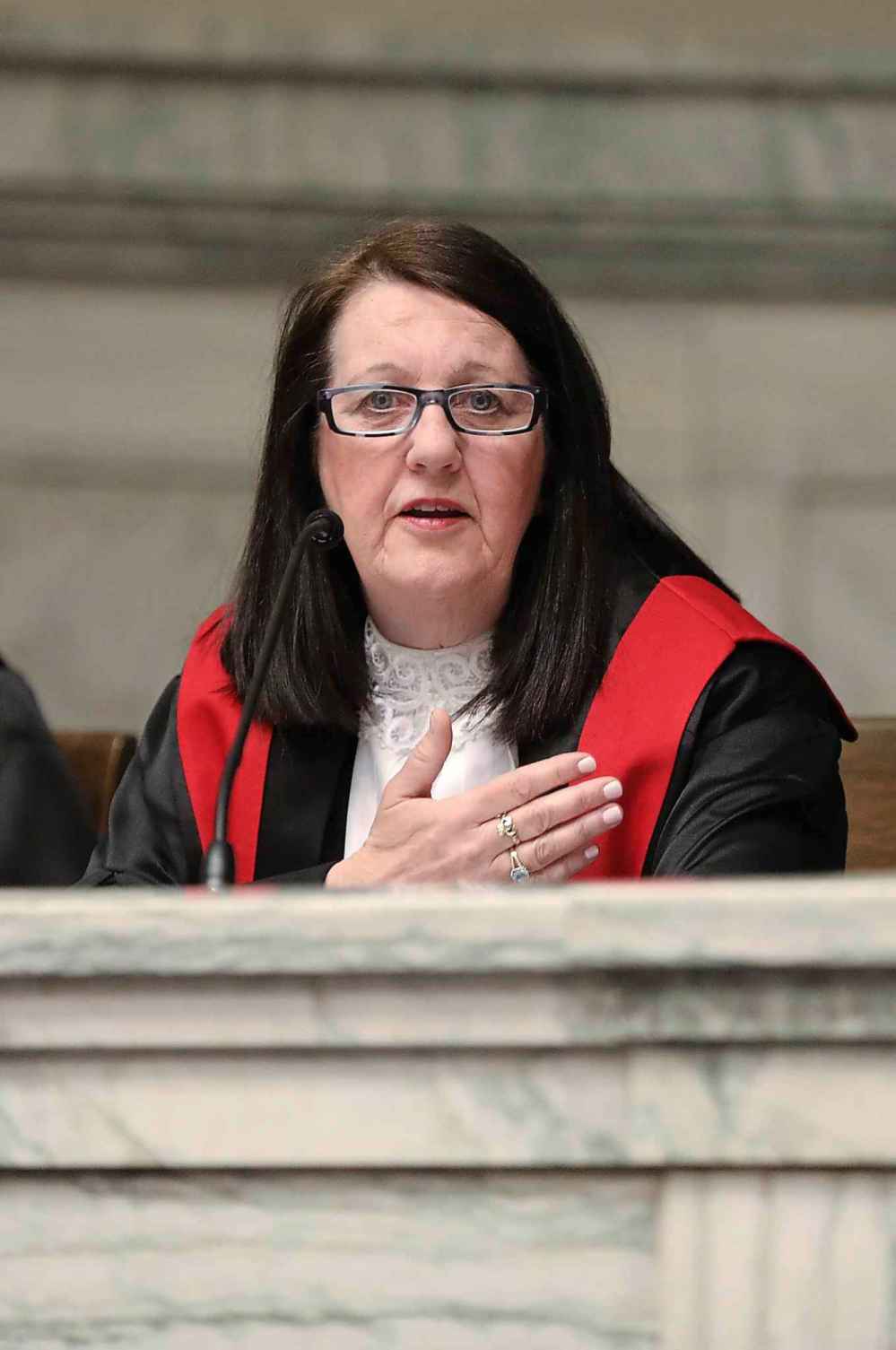
“If there are useful, meaningful recommendations that can be made, the judges are going to make those recommendations,” she said. “It’s important to the families and communities, and we do our best to reflect that.”
When asked what makes a successful inquest, Wiebe referenced recommendations, saying: “Generally, having a good forthright hearing where you do get the facts and are able to make substantive recommendations that reasonably can change something.”
Manitoba’s lack of recommendations does not appear standard across Canada.
In Ontario, for instance, a Free Press review of 16 inquests into police-involved deaths between 2015 and 2019 shows each led to recommendations.
While some inquests — which, in Ontario, are run by a coroner — made just three or four, others made dozens.
A review of a dozen inquests into police-involved deaths in British Columbia within the same time period similarly found each led to at least one recommendation.
Since 1985, the Manitoba Ombudsman has followed up on what action — if any — is taken by public agencies in response to inquest recommendations and reported back to the provincial court.
A Free Press review of government and police responses to the Ombudsman’s inquiries shows judges’ recommendations have not resulted in substantial change.
The Ontario model
The inquest system in Ontario is significantly different than Manitoba’s.
It involves a coroner and a five-person jury of ordinary citizens. The jury is responsible for making recommendations.
Between 2015 and 2019, coroner’s juries for inquests into police-involved deaths made a range of recommendations, including numerous directives on mental health.
They included:
The inquest system in Ontario is significantly different than Manitoba’s.
It involves a coroner and a five-person jury of ordinary citizens. The jury is responsible for making recommendations.
Between 2015 and 2019, coroner’s juries for inquests into police-involved deaths made a range of recommendations, including numerous directives on mental health.
They included:
• To Ontario’s Ministry of Health: Fund a 24-7, province-wide telephone crisis support line for people in supportive housing and community mental health and addiction programs;
• To Ontario’s Ministry of Health: Provide funding for a sufficient number of nurses to staff Mobile Crisis Intervention Teams around the clock within each police division in Toronto;
• To Ontario’s Ministry of Health (and two federal departments): Fund Lac Seul First Nation to hire a certified mental health counsellor and create an in-patient alcohol treatment program within the community;
• To Ontario’s Ministry of the Solicitor General and Ontario Association of Chiefs of Police: Redesign and rename Ontario’s use-of-force model to one that emphasizes de-escalation.
Meaghan Daniel, a Montreal-based lawyer whose practice includes a focus on inquests and on issues affecting Indigenous people, said Ontario’s model, in which ordinary citizens make the recommendations, allows these people “to be brave” in what they recommend. (However, that does not mean their recommendations are adopted, Daniel noted).
“(They) aren’t caught up in their individual silos of expertise and looking at things narrowly, but are hearing this problem with fresh ears and common sense,” said Daniel. “I think that they’re so powerful.”
Having a coroner’s jury make recommendations — instead of a judge, as in Manitoba — also means judges don’t have to worry about potentially being seen as an “activist judge” for making certain recommendations, Daniel added.
— Marsha McLeod
In three of the five fatal shooting inquests since 2003 that resulted in recommendations, judges made a single recommendation. In the fourth case, the judge offered two. The outlier was in the death of 26-year-old Craig McDougall, who was shot and killed by a Winnipeg police officer in 2008.
In that inquest, Judge Anne Krahn made 16 recommendations. Several were framed as calls for the province to “consider” certain policy changes. It meant they could be considered fulfilled after a degree of study, even if the province rejected the actual change.
For instance, Krahn recommended the province and its police services “study and consider” the use of body cameras for on-duty officers. In its response to the Ombudsman, Manitoba Justice said the Manitoba Police Commission had already reviewed the use of body cameras — in 2016 — and determined they should not be used.
It took more than eight years from the time McDougall was killed for the inquest to begin. So in her recommendations, Krahn urged the province to consider establishing legislative timelines in the Fatality Inquiries Act, as well as review whether reinstating an inquest co-ordinator could help with delays. Both recommendations were rejected.
When then-acting Ombudsman Marc Cormier wrote to then Chief Judge Wiebe with an update letter — about 15 months after Krahn’s report was released — several recommendations to the Winnipeg police were still in progress or being considered. The Ombudsman’s file was nonetheless closed.
In a statement in late July, Manitoba Ombudsman Jill Perron said while there are no required timelines her office must follow in its tracking process, once her office receives an inquest report, they typically request an initial response from the entities responsible for the recommendations within three to six months, then follow up on the information provided.
In one inquest — into the death of Benjiman Richard, who was fatally shot by two members of the Manitoba First Nations Police Service on Long Plain First Nation in 2019 — the judge declined to make recommendations, but offered “observations” in four areas. Such statements are not subject to followup by the Ombudsman.

Judge Shauna Hewitt-Michta’s observations included a note about the limited number of police officers who were serving Long Plain at the time. (Police staffing for the First Nation had been increased from five to nine officers by the time of the inquest.)
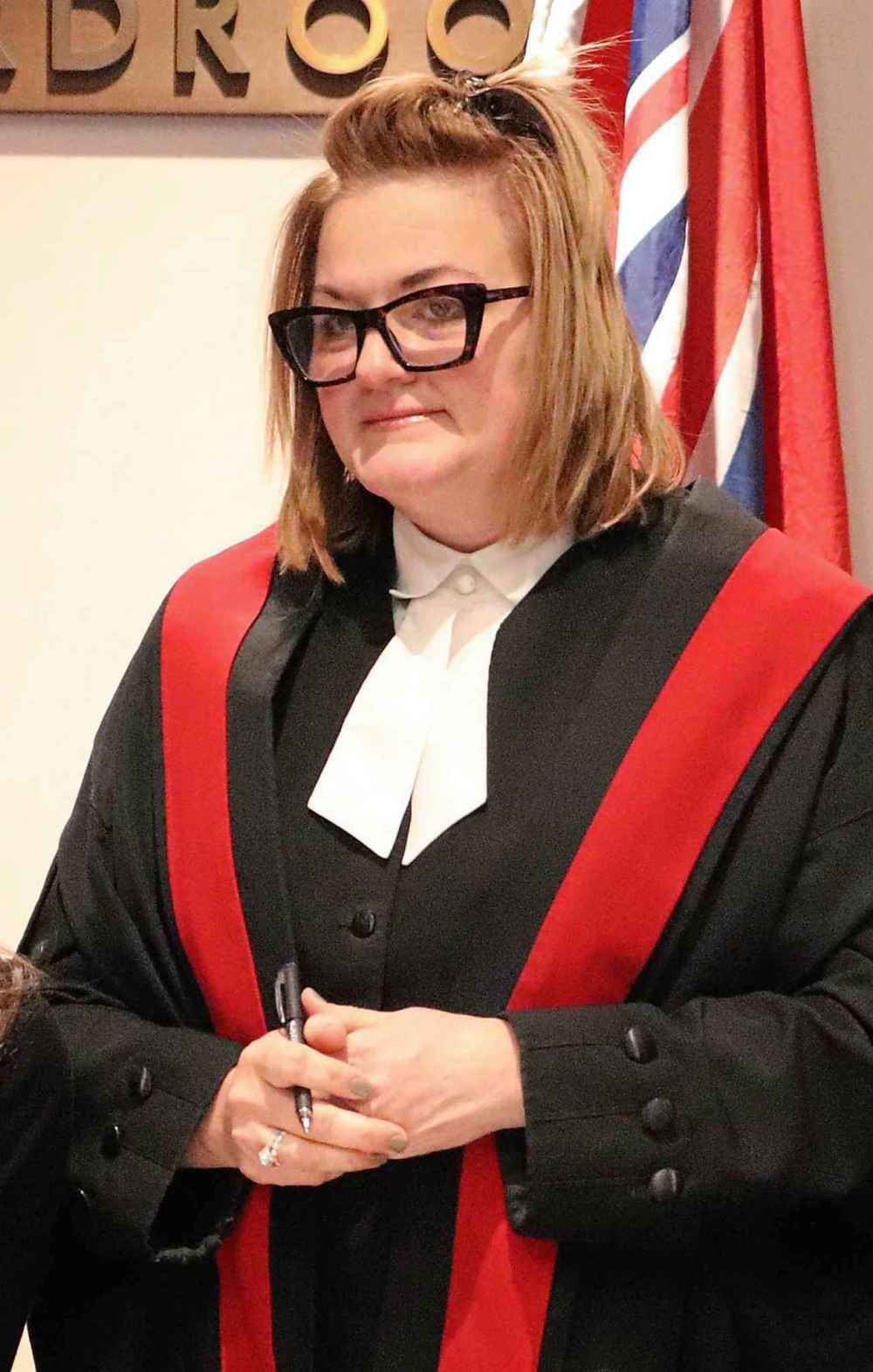
“Police shoulder substantial responsibility to the benefit of society. It is important they have access to the resources, human and otherwise, to realistically and safely meet their obligations,” Hewitt-Michta wrote, but added: “Recommendations about staffing ratios have political and economic consequences and are well beyond the scope of this Inquest.”
Hewitt-Michta’s report was somewhat unique, however.
First, it acknowledged that a situational factor — poor radio and cellphone reception in Long Plain — and related lapses in communication may have contributed to the incident.
Second, it offered a number of personal details about Richard, such as his age, close relationship to his family, and difficulty dealing with the recent deaths of several loved ones.
Most reports did not include similar basic details.
The direction an inquest takes is initially established by the Chief Medical Examiner, which sets out directives when calling for a review of an individual’s death. Those directives are typically not very detailed or specific and the judge is the arbiter on where the line on an inquest’s scope gets drawn.
In some recent cases, Judge Wiebe said, there’s been a push to have the scope be “inclusive of social issues,” which may be beyond that of a traditional inquest.
“We have to be careful that we are acting within our mandate. We can’t be the answer to all social issues,” she said.
“We have to be careful that we are acting within our mandate. We can’t be the answer to all social issues.”
At times, judges have made a point to identify certain recommendations that would be outside the scope.
Take the case of Ahmad Saleh-Azad, a man with schizophrenia fatally shot in 2007 by a Winnipeg police officer while stabbing another man to death. He was living at a housing complex for people with physical and mental disabilities.
The judge noted though it was clear Saleh-Azad “fell through the cracks,” the “appropriateness of housing and support services in place for Mr. Saleh Azad and the availability of other such services in the Province of Manitoba are not within the mandate of this inquest.”
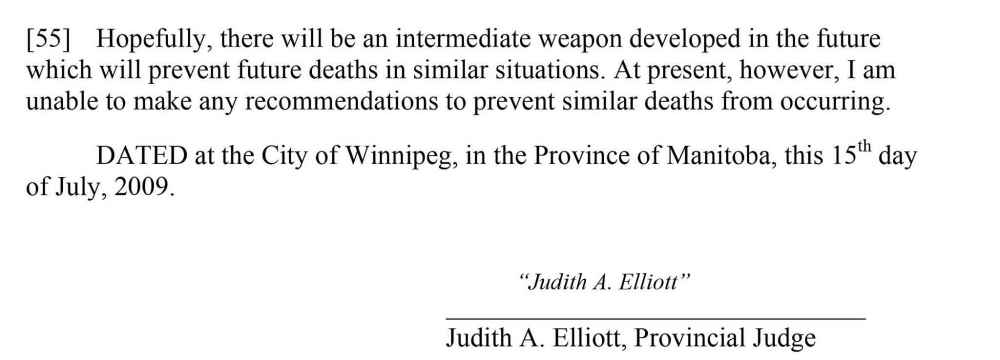
In the inquest into Zunga Bashir’s death in 2005, who was also fatally shot by a Winnipeg police officer while stabbing another man to death, the judge noted officers did not tell Bashir’s brother, who did not witness the incident, that Bashir was dying in the hospital until after they’d taken a statement.
“I think some discretion and compassion could have been exercised,” Judge Judith Elliott wrote, but noted making a formal recommendation around this was outside of the inquest’s scope.
In the Craig McDougall inquest, Judge Krahn wrote, the Winnipeg police lawyer argued most of the recommendations advocated by counsel for McDougall’s father, as well as by inquest counsel, fell outside her jurisdiction.
Krahn made the recommendations anyway.
“I recognize that there is a need for an Inquest Judge to carefully monitor the scope of the Inquest,” Krahn wrote.
“But at the same time, there must be sufficient jurisdiction to meaningfully deal with all of the circumstances surrounding the death to ‘check public imagination’ to ensure that government policies are developed that respect human life.”
That is what Jonathan Williams wanted to see.
His son, Chad, was fatally shot by three Winnipeg police officers in January 2019. Chad, 26, was Anishinaabe from Ebb and Flow First Nation and working as a carpenter at the time, while living with Jonathan.
Williams raised multiple issues with what happened: first, he does not believe the incident played out as officers have said; second, he does not trust the work by the Independent Investigations Unit of Manitoba (IIU), which conducted the investigation into the police’s actions, was done fairly; and third, he does not have faith in the inquest process that followed.
Shortly before the inquest began, Williams said he had a falling out with his lawyer, who’d agreed to represent him pro bono. He was unable to find new counsel on short notice — and felt the Crown running the inquest was working against his interests. The inquest went ahead without his participation.
No expert witnesses testified. Nor did any civilians. The court heard from seven police officers. Officers testified Chad had raised a hatchet like he meant to throw it, prompting the gunfire of three officers. Judge Julie Frederickson made no recommendations.

“It’s because they don’t care,” Williams said, when asked about the lack of recommendations.
“They made (Chad) look like he was a piece of shit garbage,” while the police could do no wrong, he added.
“Whoever has to go through that inquest, I feel very sorry for them, because for the simple reason, everyone is all together and you’re all by yourself,” Williams said.
Williams, who is white, said part of the solution would be having more Indigenous judges.
He also argued Winnipeg police officers should have been wearing body cameras, a recommendation previously rejected by the province following the 2016 McDougall inquest.
The majority of fatal shootings by police in Manitoba — roughly 60 per cent in the last 20 years — have involved Indigenous victims. But direct references to race and racism rarely make it to the final report.
In fact, Krahn’s report into McDougall’s death marked the only time a judge has made recommendations that touched on the distrust of police by many Indigenous people and communities.
In the inquest into the 2005 death of Matthew Dumas, who was from Keeseekoowenin Ojibway First Nation, Judge Mary Curtis made one recommendation: Winnipeg police should make scenario-based training “available/required” to officers at intervals during their career — and have that include a scenario similar to the circumstances of Dumas’s death.
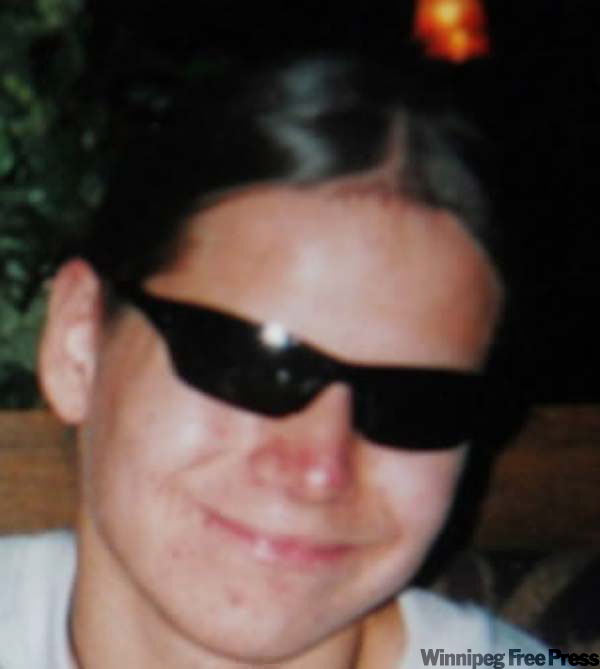
Dumas was erroneously identified by police as a suspect in a robbery on the day he was shot. Winnipeg police had been searching for three people identified as “Native” in dispatches.
When Const. Jonathan Mateychuk spotted Dumas, the officer said he seemed nervous and he tried to stop him. Dumas ran. After a chase and a scuffle, Const. Dennis Gburek shot the teenager when he advanced toward him, raising a screwdriver.
In his opening remarks, inquest counsel Robert Tapper said he was “confident” the judge would find “race had nothing to do with this,” according to University of Manitoba professor Elizabeth Comack’s book, Racialized Policing.
The judge ultimately agreed, saying there was no evidence to show racism played a role in Dumas’s death.
Donald Worme, the lawyer who represented Dumas’s family, said he’d tried to get the court to agree to have an expert witness testify about race and racism — so inquest recommendations could flow from that context. But, he said, the request was “soundly rejected.”
Worme called the single recommendation about scenario-based training not “worthy” of an inquest.
“I’m as confident now as I was then that race had everything to do with it,” said Worme, pointing to the over-policing of Winnipeg’s North End, which has a large Indigenous population.
“I’m as confident now as I was then that race had everything to do with it.”
“(This is) a population that has felt — and indeed has been — oppressed by authorities,” said Worme, who also served as lead commission counsel for the Truth and Reconciliation Commission, which concluded in 2015.
Indigenous people, Worme pointed out, have “long suffered under the heel” of police services, starting with the North West Mounted Police (a forerunner to the RCMP): “when they were confining Indians to reserves; when they were breaking up Indian families; stealing children and sending them to residential institutions.”
That history — and the reasons why an Indigenous teenager might run from police — was “to be avoided at all costs” by the inquest counsel and judge, Worme added.
In her report into Dumas’s death, Judge Curtis concluded: “Mr. Dumas’ behaviour and choices drove the events which led to his death.”
In the case of Eric Daniels, a 28-year-old man from Long Plain First Nation fatally shot by two Winnipeg police officers in 2010, Judge Sandra Chapman came to a similar conclusion, writing: “Mr. Daniels’ very unfortunate demise was caused wholly as a result of Mr. Daniels’ actions.”

In the death of Howard Fleury, an Indigenous man fatally shot by two Winnipeg police in 2005, Judge Catherine Carlson wrote: “Mr. Fleury refused to comply with officers’ repeated demands to drop the knife. Had he complied, he would be alive today.”

Chapman and Carlson each made no recommendations.
Sherene Razack, the Penny Kanner Endowed Chair in Women’s Studies at the University of California at Los Angeles, wrote Dying from Improvement, a book focused on inquests and inquiries into the deaths of Indigenous people in police custody in Canada.
There are typically two problems with inquests, said Razack, who has also taught at the University of Toronto.
Either they conclude nothing could have prevented a death, or, a few minor things could have made a difference. And she cautioned against simple-sounding recommendations, like cultural sensitivity training, as a solution to systemic racism.
A defining factor of inquests, Razack said, is to “speak ill of the dead.”
“You will get a lot of talk about fatty livers and alcoholism. You will not get a lot of talk about the boot print on the chest of the person with said fatty liver,” she added.
“You will get a lot of talk about fatty livers and alcoholism. You will not get a lot of talk about the boot print on the chest of the person with said fatty liver.”
When looking at the judges’ recommendations in Manitoba, the problems that are identified seem to be small issues with police training or policy, requiring minor fiddling.
When no recommendations were made, the problem seemed to be framed as unknown motivations of troubled men.
“The point,” Razack said, “is to say: ‘This body destroyed itself. Case closed.’”
marsha.mcleod@freepress.mb.ca

Marsha McLeod
Investigative reporter
Signal
Marsha McLeod is an investigative reporter at the Free Press. She joined the Free Press in 2023. Read more about Marsha.
Every piece of reporting Marsha produces is reviewed by an editing team before it is posted online or published in print — part of the Free Press‘s tradition, since 1872, of producing reliable independent journalism. Read more about Free Press’s history and mandate, and learn how our newsroom operates.
Our newsroom depends on a growing audience of readers to power our journalism. If you are not a paid reader, please consider becoming a subscriber.
Our newsroom depends on its audience of readers to power our journalism. Thank you for your support.
Related Articles
Inquests into fatal shootings rely heavily on a narrative driven by law enforcement