Hesitancy over Houston model Those on front lines of tackling homelessness caution against fully adopting American city’s model; believe Winnipeg’s solution has to come from within
Read this article for free:
or
Already have an account? Log in here »
To continue reading, please subscribe:

Digital Subscription
One year of digital access for only $205*
- Enjoy unlimited reading on winnipegfreepress.com
- Read the E-Edition, our digital replica newspaper
- Access News Break, our award-winning app
- Play interactive puzzles
*First annual payment billed as $205.00 + GST for one year. This annual subscription will automatically renew at $233.00 + GST every 52 weeks (10% off the regular annual price of $259.35). Offer available to new and qualified returning subscribers only. Cancel any time.
To continue reading, please subscribe:
Add Free Press access to your Brandon Sun subscription for only an additional
$1 for the first 4 weeks*
- Enjoy unlimited reading on winnipegfreepress.com
- Read the E-Edition, our digital replica newspaper
- Access News Break, our award-winning app
- Play interactive puzzles
*Your next Brandon Sun subscription payment will increase by $1.00 and you will be charged $17.95 plus GST for four weeks. After four weeks, your payment will increase to $24.95 plus GST every four weeks.
Read unlimited articles for free today:
or
Already have an account? Log in here »
Hey there, time traveller!
This article was published 08/03/2024 (930 days ago), so information in it may no longer be current.
When it comes to tackling homelessness, Houston takes the classic Texas ‘bigger is better’ approach. Winnipeg, meanwhile, has adopted a much smaller — and fragmented — model.
In recent months, Manitoba’s elected leaders have been drawn to the ‘Houston model.’ Winnipeg Mayor Scott Gillingham visited the southern Texas city last September and, upon his return, said he wants all Winnipeg groups working together, sharing data and committing to achieving the same goals.
Premier Wab Kinew has also expressed interest in replicating the Houston model and his government has hinted at development on this front as early as next month’s budget.
Last month, the Free Press travelled to Houston to see firsthand how a city that once had one of America’s highest homeless populations turned its crisis around. So much so, that the now widely lauded Houston model has become shorthand for how to tackle homelessness with data, teamwork and housing.
The process involved significant growing pains, when, more than a decade ago, service providers were forced to shift their focus from emergency shelter and housing for specific groups of individuals to permanent supportive housing for those most vulnerable: those who were chronically homeless. Essentially, this meant those who have been homeless the longest moved to the front of the line, regardless of their background. This was the housing-first model in action — getting people into housing, regardless of what challenges they are facing in life, backed with supports.
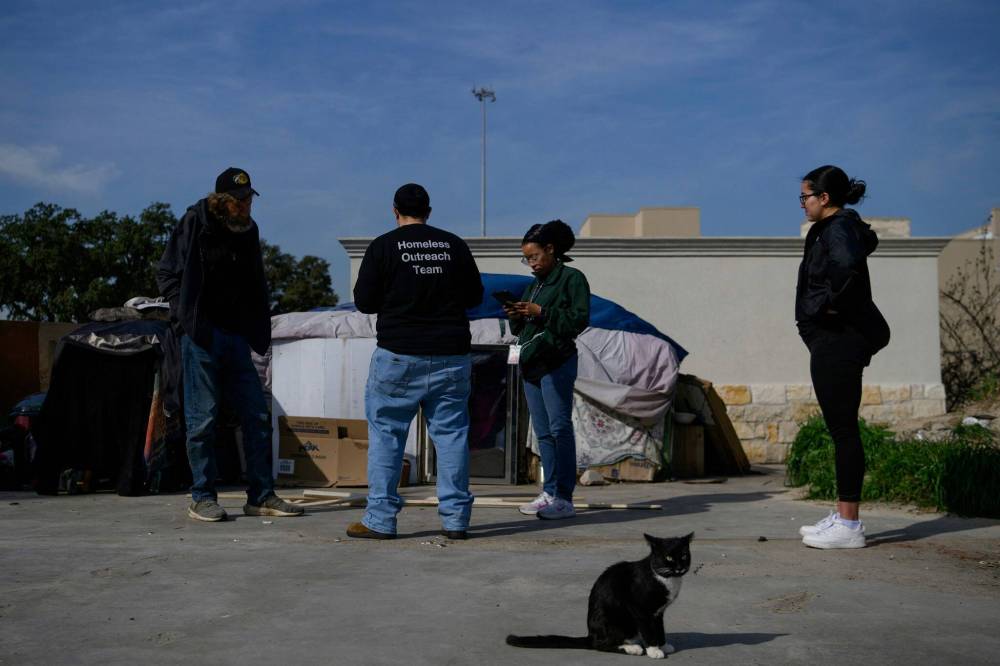
Since 2012, partners in the city have housed more than 30,000 individuals, with a 90 per cent success rate, meaning people did not return to homelessness within two years. Homelessness has decreased by around 61 per cent.
In Winnipeg, a homelessness crisis has been unfolding for decades. Despite work by front-line service providers, the city struggles to house those living on the streets. A 2022 street census found there were an estimated 1,256 people experiencing homelessness — experts say the true number is likely three times higher.
Among local organizations that are already helping and housing Winnipeg’s homeless population, there is an undercurrent of pushback to the recent focus on Houston. They question why the city and province think Houston’s model could directly translate to success in Winnipeg, saying they’d rather receive more support for the good work they’re already doing.
In this second of a two-part series, the Free Press sits down with groups who work with homelessness in Winnipeg to ask what they make of the Houston model and whether it could be replicated here.
Jamil Mahmood acknowledges the value of learning lessons from Houston’s success, but ultimately would prefer a made-in-Winnipeg approach to homelessness.
“We could have saved (the city) all this time of going to Houston,” Mahmood said. “There’s lots of good local research here.”
Mahmood is the executive director of Main Street Project, a non-profit organization working with Winnipeggers who are homeless or otherwise marginalized. The organization helps those who are homeless find emergency shelter, as well as permanent supportive housing, and it takes a harm-reduction, trauma-informed and anti-oppression approach to its work.
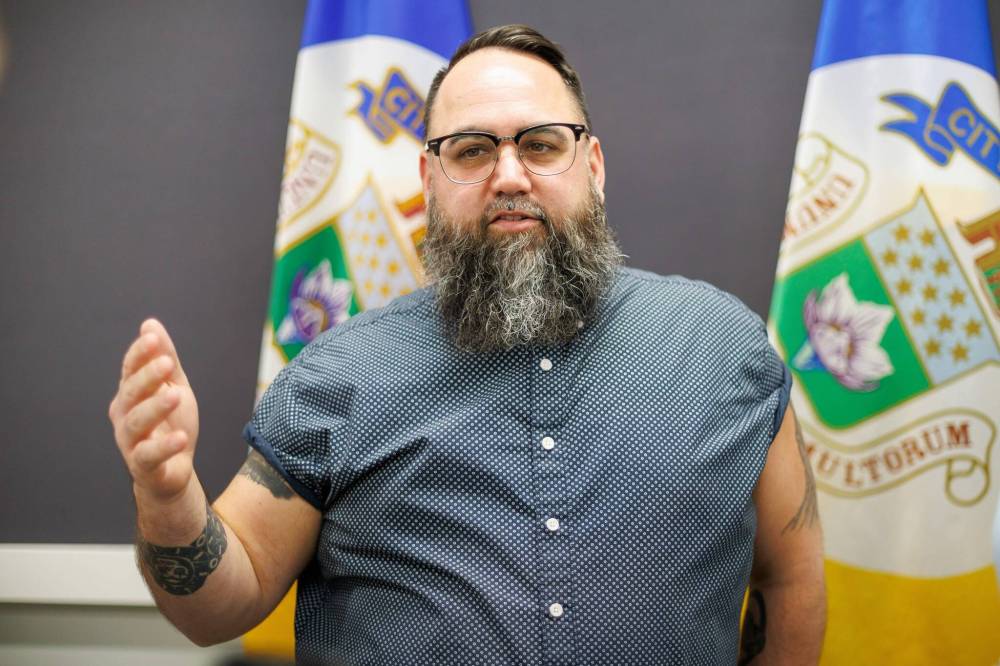
Mahmood takes exception to comments Gillingham has made about the need for all stakeholders to commit to “one co-ordinated approach” and work together.
“I don’t think that’s the case,” Mahmood said. “We’re all pretty co-ordinated. We all talk to each other, we all work well together.”
For example, he said, outreach groups communicate on a Signal chat and plug data about service delivery into a federal government-developed system called HIFIS (Homeless Individuals and Families Information System) — though he added HIFIS is “horrible,” glitchy and limited in what it can track.
He flagged three key factors that hold Winnipeg back from doing a better job of ending homelessness: a lack of funding for service providers; agencies having to compete for the limited funding that exists; and a dearth of low-income housing.
On the funding side of things, money for homelessness and housing initiatives in Winnipeg comes from all three levels of government, as well as philanthropic groups and private organizations. Nationally, the federal government has committed close to $4 billion to its nine-year homelessness strategy, Reaching Home, which aims to reduce chronic homelessness by 50 per cent by 2028. End Homelessness Winnipeg is the local steward for those funds.
As for housing, a 2023 Canadian Mortgage and Housing Corporation report found affordable housing options make up just four per cent of the Winnipeg rental market. There is a dire need for more social housing too, Mahmood said.
“I don’t know anyone that’s running a shelter that wants to be running a shelter,” Mahmood said. “We all want to be running housing organizations… we just haven’t had the money to do it.”
Related Articles
What can Winnipeg learn from Houston’s housing-first approach to addressing homelessness?












Mahmood agreed that for real change, the city needs to shift its mindset from providing emergency shelter — there are about 700 shelter beds in the city, full each night — to permanent housing, something Houston did.
He noted there are key differences between the two cities: weather, which could impact the quality of housing needed in a cold versus warm climate, and the demographic of who is homeless and the supports they need.
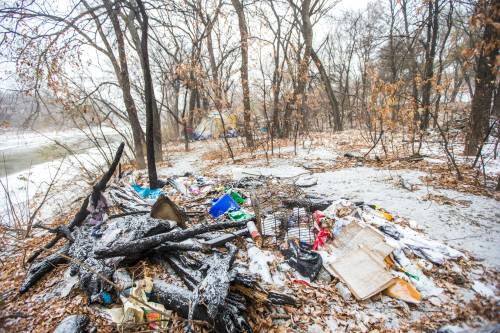
Specifically, Indigenous peoples are vastly over-represented among the homeless population in Winnipeg. According to the 2022 Winnipeg Street Census, nearly 70 per cent of the 1,256 people who were homeless identified as Indigenous. The census also found they were more likely to sleep outdoors, unsheltered, including in encampments.
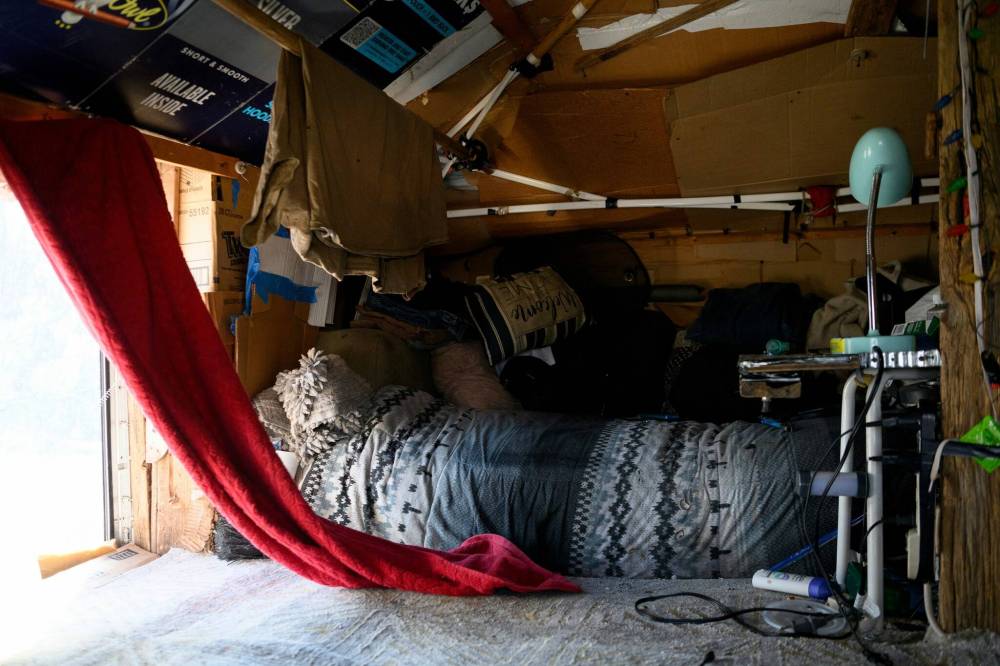
In Houston, the city has aggressively targeted the removal of tent encampments, a practice they call “decommissioning.” But before people are removed, they’re offered housing, with outreach groups setting things up before the encampment is shut down.
Unlike in Houston, there is a deeper complex issue at play here, Mahmood said. Those who are Indigenous and residing in encampments may see it as their right to exist on the land from which their ancestors were forcibly removed. They also need a trauma-based response in the transition to housing, accommodations tailored to their needs, such as communal living, and other supports such as help reconnecting to culture.
Ultimately, Mahmood thinks existing Winnipeg organizations have the expertise to accomplish the same work Houston is doing.
“I think we just need to trust local folks and empower us in the sector to do the work we all want to do,” he said.
Marion Willis says her organization, St. Boniface Street Links, is already putting elements of the Houston model into practice.
Much like in Houston, St. Boniface Street Links deploys outreach teams to meet with people in the community who are homeless, she said. This includes bringing coffee and cigarettes to encampments, learning about the people who live there and how they became homeless.
From there, her organization works to get people into housing, connecting them to wrap-around supports, such as access to occupational therapists, psych nurses and detox, that will help keep them housed.
“You get people out of survival mode,” she said.
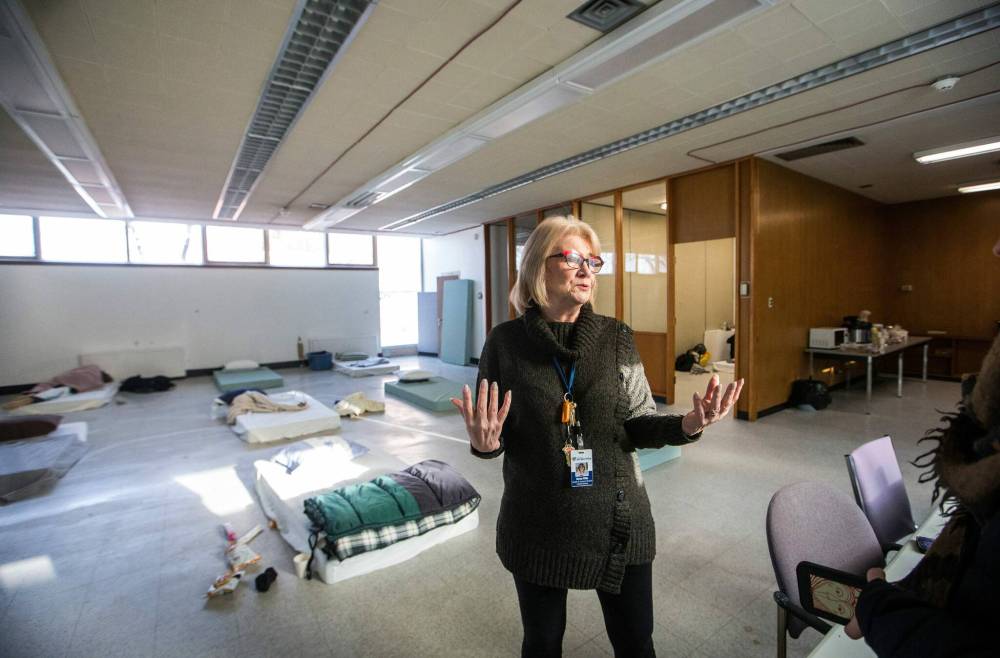
Her team has also done the ground work of building relationships with landlords, seeking out private housing arrangements when necessary, and keeping lines of communication open after someone has been housed. They also help those who are homeless to find income sources that will pay for rent, mainly ensuring they are set up with employment and income assistance (EIA). St. Boniface Street Links will also sometimes pay damage deposits, anything to maintain good relationships with property managers and keep people housed, Willis said.
The accommodations might not be “fancy,” she said, but there’s heat, running water and a roof over people’s heads. Willis’s team works to ensure the accommodations also come with furniture and other amenities.
Willis said her organization has housed 927 of people over the last three years, with a 90 per cent retention rate.
As for the mayor’s comments that stakeholders all need to work together, Willis acknowledges she’s operating largely on her own, but is insistent the work her team is doing is bringing success.
“This is the model that works,” she said.
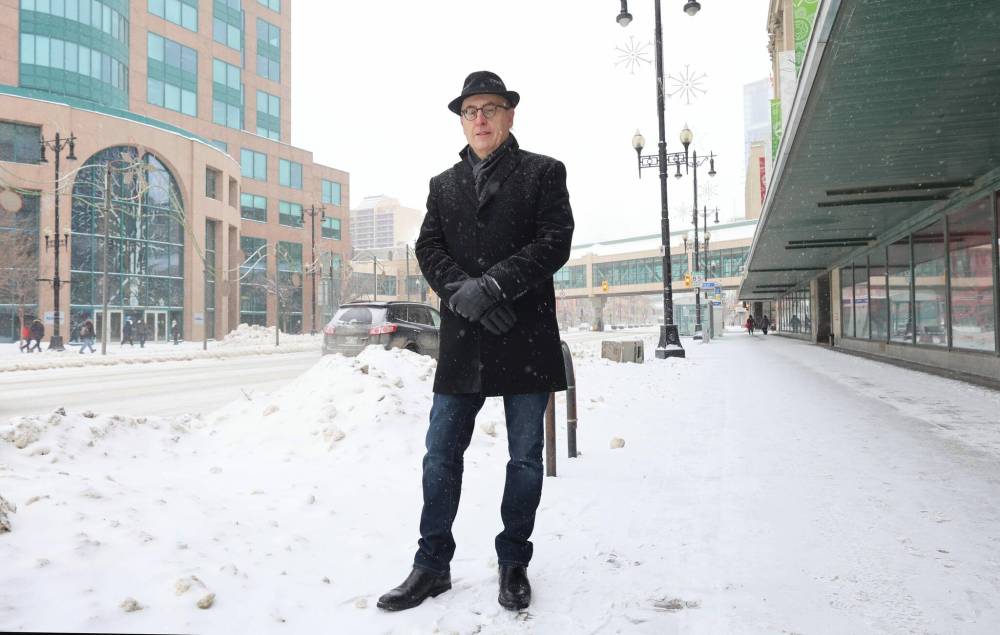
Three years before Houston began tackling homelessness in earnest, Winnipeg was seeing similar success, although on a smaller scale, Jino Distasio said.
In 2009, Winnipeg was one of five cities selected to receive a total of $110 million in federal funding to participate in a four-year trial looking at the effectiveness of a housing-first model. In Winnipeg, the project focus was on ending homelessness for a population that was largely Indigenous and living with mental illness.
“Houston and other cities, I remind people, really picked up on the Canadian housing-first model,” said Distasio, a professor of urban geography at the University of Winnipeg who was a lead researcher in Winnipeg and nationally on the project, called At Home/Chez Soi.
In the project’s first 18 months, more than 1,000 Canadians were housed and provided specialized supports, with about 300 people in Winnipeg offered housing — a fully furnished apartment — and given access to services and caseworkers.
He attributes the success to the “clinical approach” the teams took — targeting those who are chronically homeless and struggling with mental health or addiction, and ensuring they received culturally appropriate supports. The At Home/Chez Soi project proved there are evidence-based interventions that work, he said.
“We sometimes lose sight of the intent of housing-first, which is to transition persons who have the highest level of need, often mental health and addictions, into stable housing with the availability of supports,” he said. “Housing-first is not a Band-Aid for all homelessness, it’s not a housing solution. It’s a very targeted solution that in many ways is clinical in approach.”
“Houston and other cities, I remind people, really picked up on the Canadian housing-first model”– Jino Distasio
So why didn’t the initiative continue, supported by other levels of government?
“We drift, right? You get well-minded politicians and community organizations that feel they have an equally as good solution,” Distasio said. “I get all that, some of it does work … but the evidence is irrefutable that housing-first remains the only proven intervention.”
The path to get back to that pragmatic, clinical approach is not straightforward, but it starts with clear direction from all levels of government, he said, and stakeholder commitment to working together, as Houston is doing.
“If we’re not firing together, we’re not going to solve it,” he said.
Some of that might mean taking independence away from organizations, changing the direction of their work — the kind of seismic shift that occurred in Houston more than a decade ago, Distasio said. He knows a similar move here would stoke tension and unrest, something those calling the shots would need to be prepared for.
If Winnipeg has anything close to Houston’s Coalition for the Homeless — the lead group carrying out the city’s Way Home Continuum of Care response to homelessness — it is End Homelessness Winnipeg, a non-profit organization in a leadership role for delivering Winnipeg’s 10-year plan to end homelessness.
But where Houston has taken a tough-love approach to getting stakeholders on board with a single plan, Winnipeg’s organization takes a more patient, collaborative approach.
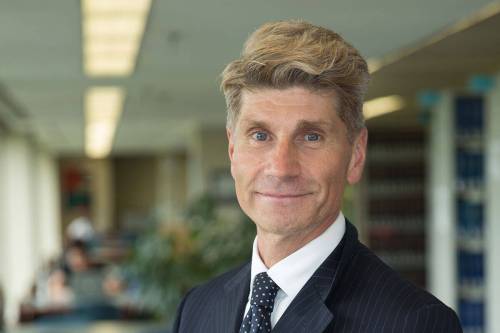
“Listen, understand, convince, be allies,” said Jason Whitford, president and CEO of End Homelessness Winnipeg.

That’s not to say there’s not urgent need for change — and better collaboration across all levels of government and stakeholders, Whitford said. But he believes it’s coming, largely in part through recent commitments from city and provincial leadership.
Premier Kinew, elected last fall, signalled homelessness will be a priority for his government by creating the role of Minister of Housing, Addictions and Homelessness. Bernadette Smith, the minister of that department, told the Free Press her government believes housing plus wraparound supports is key to addressing homelessness. She said the government is “approaching this work collaboratively with all levels of government, community partners and those with lived experience.”
More details are expected after next month’s provincial budget.
End Homelessness Winnipeg, meanwhile, is upping its collaborative approach. It is in the process of creating a “community sector table” that brings together anyone connected to the issue of homelessness, including those with lived experience, philanthropic groups, Indigenous leaders and the business community, said Jackie Hunt, senior director strategy and impact with End Homelessness Winnipeg.
Hunt said looking elsewhere for a different approach might not be necessary.
“There are a lot of groups here who really feel we’re doing good work,” she said.
katrina.clarke@freepress.mb.ca

Katrina Clarke
Investigative reporter
Katrina Clarke is an investigative reporter at the Winnipeg Free Press. Katrina holds a bachelor’s degree in politics from Queen’s University and a master’s degree in journalism from Western University. She has worked at newspapers across Canada, including the National Post and the Toronto Star. She joined the Free Press in 2022. Read more about Katrina.
Every piece of reporting Katrina produces is reviewed by an editing team before it is posted online or published in print — part of the Free Press‘s tradition, since 1872, of producing reliable independent journalism. Read more about Free Press’s history and mandate, and learn how our newsroom operates.
Our newsroom depends on a growing audience of readers to power our journalism. If you are not a paid reader, please consider becoming a subscriber.
Our newsroom depends on its audience of readers to power our journalism. Thank you for your support.