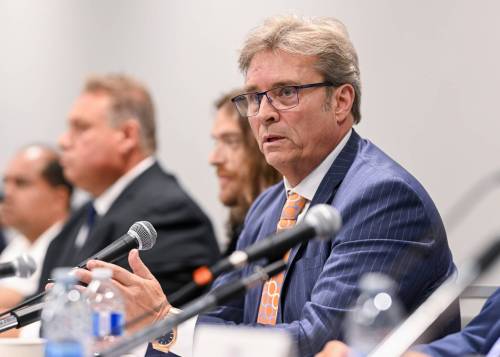
Judge grants Crown request for psych assessment of Skibicki
Read this article for free:
or
Already have an account? Log in here »
To continue reading, please subscribe:

Digital Subscription
One year of digital access for only $205*
- Enjoy unlimited reading on winnipegfreepress.com
- Read the E-Edition, our digital replica newspaper
- Access News Break, our award-winning app
- Play interactive puzzles
*First annual payment billed as $205.00 + GST for one year. This annual subscription will automatically renew at $233.00 + GST every 52 weeks (10% off the regular annual price of $259.35). Offer available to new and qualified returning subscribers only. Cancel any time.
To continue reading, please subscribe:
Add Free Press access to your Brandon Sun subscription for only an additional
$1 for the first 4 weeks*
- Enjoy unlimited reading on winnipegfreepress.com
- Read the E-Edition, our digital replica newspaper
- Access News Break, our award-winning app
- Play interactive puzzles
*Your next Brandon Sun subscription payment will increase by $1.00 and you will be charged $17.95 plus GST for four weeks. After four weeks, your payment will increase to $24.95 plus GST every four weeks.
Read unlimited articles for free today:
or
Already have an account? Log in here »
Hey there, time traveller!
This article was published 14/05/2024 (855 days ago), so information in it may no longer be current.
Admitted serial killer Jeremy Skibicki has been ordered to undergo a psychiatric assessment to determine whether he should be found not criminally responsible in the slayings of four Indigenous women in Winnipeg two years ago.
Prosecutors requested the assessment Tuesday. Skibicki’s defence team has commissioned its own assessment to support a not-criminally-responsible finding and is expected to call the psychiatrist who conducted the assessment to testify after the Crown closes its case.
Skibicki, 37, has pleaded not guilty to four counts of first-degree murder in the slayings of three Indigenous women — Rebecca Contois, 24; Morgan Harris, 39; and Marcedes Myran, 26; and a fourth unidentified woman known as Buffalo Woman.

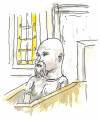
Jeremy Skibicki
Skibicki admits he killed the women, but his defence argues he should be found not criminally responsible by reason of mental disorder.
Prosecutor Chris Vanderhooft said the Crown was only in a position to make its application after Skibicki’s defence team recently provided the Crown with the medical report, formally making Skibicki’s mental state at the time of the killings a trial issue.
Under the Criminal Code, the court can order a psychiatric assessment at any stage in the trial if “the accused puts his or her mental capacity for criminal intent into issue.”
“We previously were dealing with the subject without the benefit of (the defence’s) expert opinion report,” Vanderhooft told King’s Bench Chief Justice Glenn Joyal Tuesday.
Vanderhooft said the Crown had retained a forensic psychiatrist “in anticipation of this matter unfolding in the way that it has.” Vanderhooft said the psychiatrist has reviewed Skibicki’s investigative file, custodial reports and medical file and has concluded a clinical assessment should be conducted.
Defence lawyer Leonard Tailleur said he was “naturally opposed” to a second assessment being ordered.
Pressed by Joyal to provide a more detailed legal argument as to why the assessment should not be ordered, Tailleur said: “The best interest of my client is to be protected at all times.”
“Is that the best argument you have?” Joyal said.
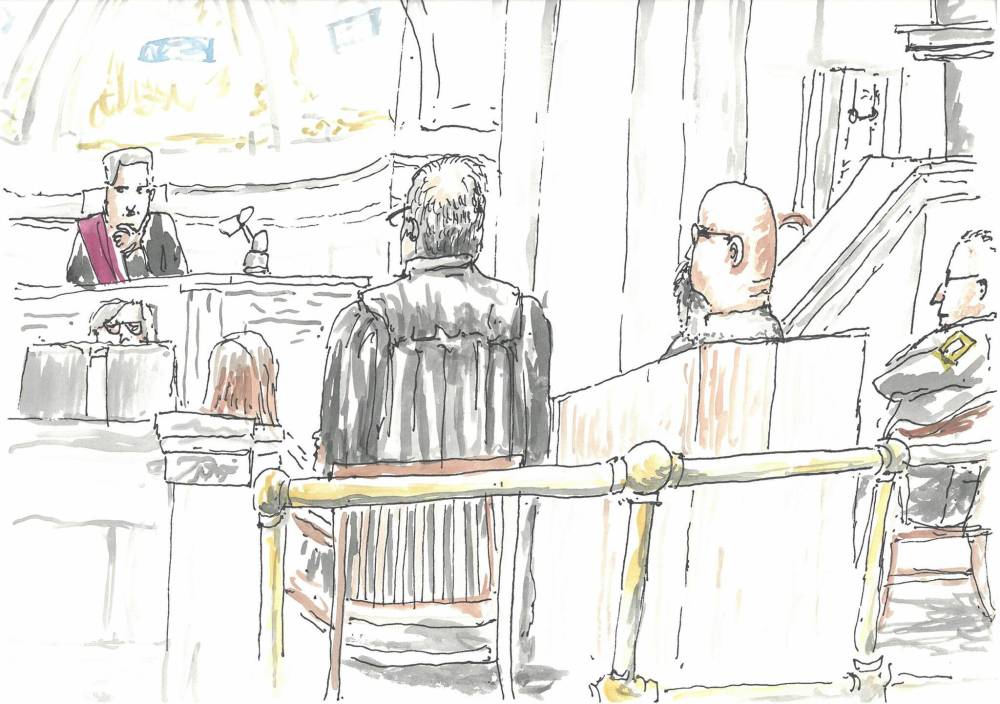
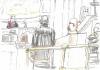
JAMES CULLETON ILLUSTRATION
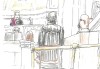
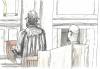
King’s Branch Justice Glenn Joyal oversees the trial of Jeremy Skibicki last week.
“That’s the best argument, m’ lord,” Tailleur replied.
“That’s not a good argument,” Joyal said before agreeing to the assessment, which will be conducted Sunday and Monday.
Tailleur said he had discussed with Skibicki the possibility of an additional assessment being ordered and advised him to “co-operate completely.”
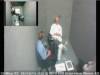
In a police interrogation video in which he admitted to the slayings, Skibicki claimed he had been diagnosed with borderline personality disorder and post-traumatic stress disorder and that he had been using meth prior to three of the killings.
Earlier Tuesday, court was told a DNA expert examined more than 120 pieces of physical evidence to try to identify Buffalo Woman, but brought investigators no closer to giving her a face.
Skibicki, in an interview video recorded following his May 17, 2022 arrest, told investigators he killed the woman sometime around March 15, 2022.
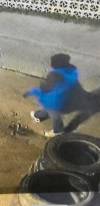
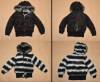
Court heard testimony from Florence Celestin, an RCMP DNA specialist who examined dozens of pieces of physical evidence seized by police, including a reversible Baby Phat jacket that Skibicki said he sold on Facebook Marketplace after killing Buffalo Woman.
Celestin said examination of the Baby Phat jacket generated a mixed DNA profile, with one male contributor — not Skibicki — and a female contributor whose DNA profile could not be found in any DNA database.
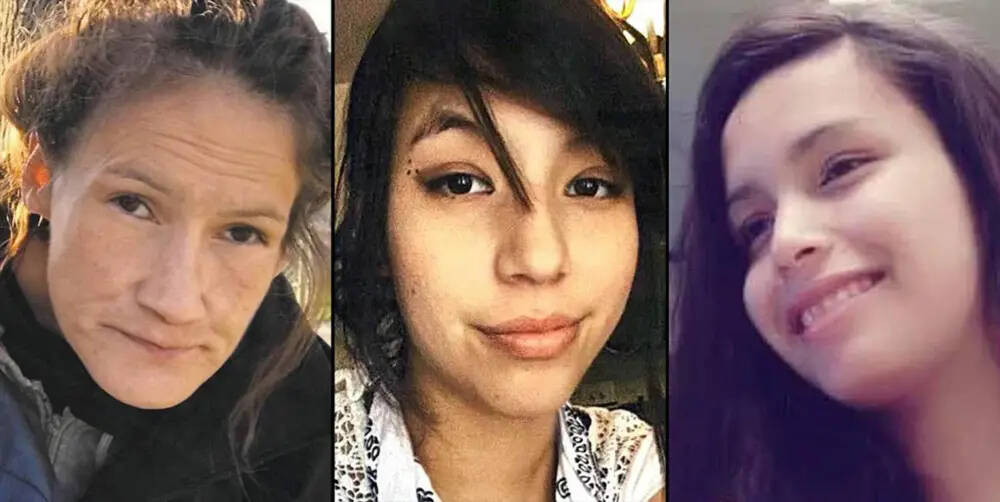
CANADIAN PRESS FILES
Victims of admitted serial killer Jeremy Skibicki (from left): Morgan Beatrice Harris, Marcedes Myran and Rebecca Contois.
DNA provided to police by the parents of a missing St. Theresa Point woman, Ashlee Shingoose, confirmed Shingoose was not Buffalo Woman, court heard. Shingoose’s DNA was found in Skibicki’s apartment.
Prosecutors say Skibicki is not suspected of any crimes against Shingoose, who was among nine unidentified women as of 2022 — other than the homicide victims — whose DNA was found inside Skibicki’s McKay Avenue apartment.
DNA samples provided by Harris’s sister and daughter, and Myran’s mother, confirmed the presence of the women’s DNA in Skibicki’s apartment and on items seized from an apartment garbage bin.
dean.pritchard@freepress.mb.ca

Dean Pritchard is courts reporter for the Free Press. He has covered the justice system since 1999, working for the Brandon Sun and Winnipeg Sun before joining the Free Press in 2019. Read more about Dean.
Every piece of reporting Dean produces is reviewed by an editing team before it is posted online or published in print — part of the Free Press‘s tradition, since 1872, of producing reliable independent journalism. Read more about Free Press’s history and mandate, and learn how our newsroom operates.
Our newsroom depends on a growing audience of readers to power our journalism. If you are not a paid reader, please consider becoming a subscriber.
Our newsroom depends on its audience of readers to power our journalism. Thank you for your support.
Related Articles
DNA evidence of unidentified victim of Winnipeg serial killer found on jacket