

Sponsored Content
Manitoba-Made Technology Could Transform Internet Access in the North
UM RESEARCH: Delivering Solutions

Advertisement
Read this article for free:
or
Already have an account? Log in here »
To continue reading, please subscribe:
Digital Subscription
One year of digital access for only $1.44 a week*
- Enjoy unlimited reading on winnipegfreepress.com
- Read the E-Edition, our digital replica newspaper
- Access News Break, our award-winning app
- Play interactive puzzles
*Billed as $5.77 plus GST every four weeks. After 52 weeks, price increases to the regular rate of $19.95 plus GST every four weeks. Offer available to new and qualified returning subscribers only. Cancel any time.
To continue reading, please subscribe:
Add Free Press access to your Brandon Sun subscription for only an additional
$1 for the first 4 weeks*
- Enjoy unlimited reading on winnipegfreepress.com
- Read the E-Edition, our digital replica newspaper
- Access News Break, our award-winning app
- Play interactive puzzles
*Your next Brandon Sun subscription payment will increase by $1.00 and you will be charged $17.95 plus GST for four weeks. After four weeks, your payment will increase to $24.95 plus GST every four weeks.
Read unlimited articles for free today:
or
Already have an account? Log in here »
Hey there, time traveller!
This article was published 26/04/2025 (436 days ago), so information in it may no longer be current.
The Problem
While most Canadians take Internet access for granted, those living in northern communities do not.
“We are so connected in the south, but not in the north,” says Philip Ferguson, MIT graduate, University of Manitoba (UM) engineering professor and founding director of the Space Technology & Advanced Research Laboratory (STARLab). “The tools for connectivity are available, we just haven’t delivered them equitably and sustainably across the country. That needs to change.”
Across Canada’s North, a lack of reliable broadband infrastructure continues to limit basic communication, access to healthcare, online education and economic participation.
The Solution
Researchers at UM are working to change that.
Ferguson and his team at STARLab are developing cutting-edge aerospace technology to build a new telecommunication network capable of delivering internet service to northern communities.
The team is building and testing high-altitude drones and airships that will act as mobile platforms to support and extend satellite internet coverage across the Arctic.
“Our drone and satellite technology shows potential to transform access in rural and remote regions,” says Ferguson. “We are working directly with local Indigenous communities to ensure their knowledge of the land and environment shapes how we design and deploy the technology.”
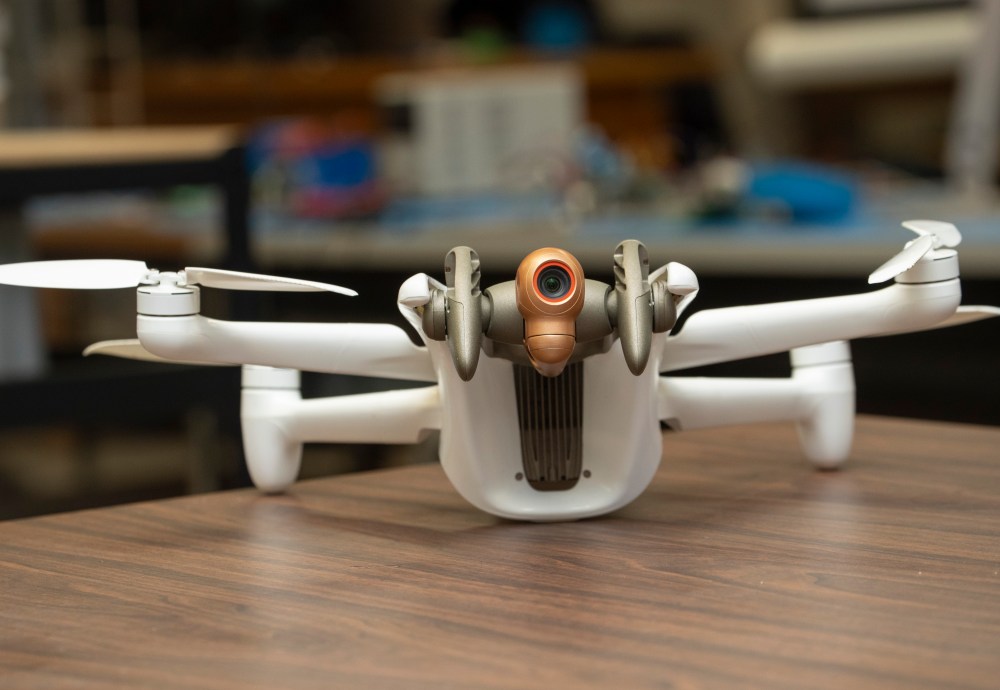
The project is a collective effort that involves a partnership with Telesat, a Canadian-owned satellite company aiming to build a 200-satellite network and provide an alternative to the US-based Starlink network.
“At a time of growing concerns around Arctic sovereignty and security we all face as Canadians – particularly people living in the North – this partnership will provide an excellent opportunity,” says Ferguson.
Currently, satellite coverage over the Arctic is sparce. That will soon change when Telesat deploys a high-tech communications network over Canada’s north.
The Impact
With an extensive, mobile satellite network in the sky, northern residents, businesses and families will be able to participate in the digital economy, access remote education and telehealth services, and share information in a timely manner.
“This is about social and economic reconciliation and ensuring northern communities have the same tools that southern communities already have and take for granted,” says Ferguson.
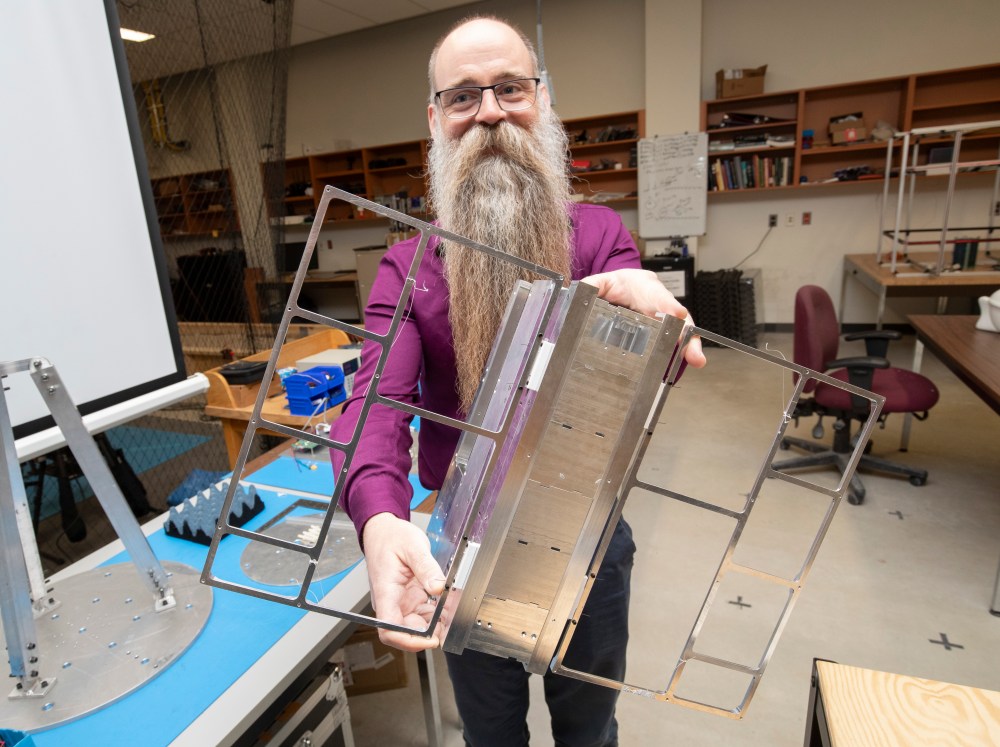
High-speed internet will also support environmental monitoring and sustainable land management.
“People will be able to transmit situational data, such as on weather or ice conditions. Ships could be tracked, and environmental events detected,” says Ferguson. “Hunters can stay connected in blizzards, and the new network could also be used for telehealth. Most importantly, this technology will allow for real time sharing of information right across the board.”
“Our drones and satellites show potential to transform internet access”
And with satellites being built here in Manitoba – STARLab has formed a partnership with Winnipeg-based Magellan Aerospace and the Nunavut community of Chesterfield Inlet – jobs will be created here in Manitoba and up north.
“This is not just about connection, it’s about transformation,” says Ferguson. “It’s about working in partnership with northern communities to build the digital infrastructure they need to shape their own economic futures, while preserving the knowledge and values that make them strong.”
For nearly 150 years, the University of Manitoba has transformed lives through groundbreaking research and homegrown innovation. We push the boundaries of knowledge and do the hard work here in Manitoba to move our community and the world forward. Our researchers tackle society’s most pressing challenges, from healthcare and sustainability to Arctic accessibility and security, delivering solutions that make a real impact. With a spirit of determination and discovery, we are shaping a better future for our province and beyond.
This article is produced by the Advertising Department of the Winnipeg Free Press, in collaboration with University of Manitoba