

Berens River lawsuit over Hydro project filed too late: defendants

Advertisement
Read this article for free:
or
Already have an account? Log in here »
To continue reading, please subscribe:
Digital Subscription
One year of digital access for only $1.44 a week*
- Enjoy unlimited reading on winnipegfreepress.com
- Read the E-Edition, our digital replica newspaper
- Access News Break, our award-winning app
- Play interactive puzzles
*Billed as $5.77 plus GST every four weeks. After 52 weeks, price increases to the regular rate of $19.95 plus GST every four weeks. Offer available to new and qualified returning subscribers only. Cancel any time.
To continue reading, please subscribe:
Add Free Press access to your Brandon Sun subscription for only an additional
$1 for the first 4 weeks*
- Enjoy unlimited reading on winnipegfreepress.com
- Read the E-Edition, our digital replica newspaper
- Access News Break, our award-winning app
- Play interactive puzzles
*Your next Brandon Sun subscription payment will increase by $1.00 and you will be charged $17.95 plus GST for four weeks. After four weeks, your payment will increase to $24.95 plus GST every four weeks.
Read unlimited articles for free today:
or
Already have an account? Log in here »
Hey there, time traveller!
This article was published 06/02/2026 (257 days ago), so information in it may no longer be current.
Manitoba Hydro and the provincial and federal governments have asked a Manitoba court to toss out a lawsuit launched by Berens River First Nation over a decades-old hydroelectric project it alleges has devastated the Lake Winnipeg environment and fishery.
The First Nation, about 275 kilometres northeast of Winnipeg on the eastern shore of the lake, filed its statement of claim in the Court of King’s Bench last June over the public utility’s Lake Winnipeg regulation project, which began operating in 1976.
The project manipulates water levels on Lake Winnipeg for power generation. It includes the Jenpeg generating station and diversion channels that increase the outflow of water from the lake into the Nelson River.
The First Nation alleges the project has worsened water quality, caused floods and erosion and affected traditional harvesting, trapping and hunting areas, as well as damaging the fish population and habitat.
In their statements of defence, Hydro and the two levels of government deny wrongdoing and say the lawsuit is barred under the provincial Limitations Act, which dictates time frames for when civil claims can be filed.
In its statement, Hydro denies the regulation of water levels has caused damage to the lake, arguing that any changes to water quality or flooding occur in a state of nature and aren’t the responsibility of the utility.
It says regulating the water levels reduces shoreline flooding to benefit all communities adjacent to it, including Berens River, and assists in generating hydro power, which supplies energy to all communities in Manitoba, including the plaintiff.
The First Nation is seeking an environmental assessment of the project and input into the decisions that affect the lake.
Before the lawsuit was filed, Berens River hadn’t challenged any of the licences and governmental authorizations issued to Hydro by the federal and provincial governments to operate the regulation project, the utility argues.
In its court papers, the Manitoba government says Berens River members and other Indigenous communities were given opportunities to participate in the final licensing process in the past decade-and-a-half, but Berens River did not participate.
The province granted Hydro an interim licence to operate the project in 1970. The public utility applied for a final licence in 2010, leading the Clean Environment Commission to hold public hearings about the effect of the project on the lake. The province granted a final licence in 2021, which expires in August.
The province said the process to potentially renew the licence will include consultation with Indigenous communities; it pointed to a public hearing held in Berens River in February 2025.
Hydro says no environmental assessment was required when the project was first authorized, but that it has continually undertaken or supported a range of environmental studies and monitoring projects, including as a function of its government licences.
The province also says studies have been conducted on the effects of the project that regulations are in place to protect water resources, ecosystems and health, in its statement of defence.
It says provincial officials continually monitor and take steps to improve the health of the lake via legislation and government programs.
It argues the First Nation does not have the proper legal standing to submit a claim for individual damages for its members, without a court order.
The federal government argues the regulation project is entirely within the province’s “sphere of activity.”
“The central issue in this action is whether Manitoba Hydro, and Manitoba’s authorization of (Lake Winnipeg regulation), caused or contributed to the impacts (Berens River) asserts,” reads the federal government’s court filing, arguing the claim against it should be dismissed.
The province filed a cross claim against the federal government in which it says if the court were to order the province to pay costs, they should be covered by the federal government.
erik.pindera@freepress.mb.ca
Erik Pindera is a reporter for the Free Press, mostly focusing on crime and justice. The born-and-bred Winnipegger attended Red River College Polytechnic, wrote for the community newspaper in Kenora, Ont. and reported on television and radio in Winnipeg before joining the Free Press in 2020. Read more about Erik.
Every piece of reporting Erik produces is reviewed by an editing team before it is posted online or published in print — part of the Free Press‘s tradition, since 1872, of producing reliable independent journalism. Read more about Free Press’s history and mandate, and learn how our newsroom operates.
Our newsroom depends on a growing audience of readers to power our journalism. If you are not a paid reader, please consider becoming a subscriber.
Our newsroom depends on its audience of readers to power our journalism. Thank you for your support.
Erik Pindera is a reporter for the Free Press, mostly focusing on crime and justice. The born-and-bred Winnipegger attended Red River College Polytechnic, wrote for the community newspaper in Kenora, Ont. and reported on television and radio in Winnipeg before joining the Free Press in 2020. Read more about Erik.
Every piece of reporting Erik produces is reviewed by an editing team before it is posted online or published in print — part of the Free Press‘s tradition, since 1872, of producing reliable independent journalism. Read more about Free Press’s history and mandate, and learn how our newsroom operates.
Our newsroom depends on a growing audience of readers to power our journalism. If you are not a paid reader, please consider becoming a subscriber.
Our newsroom depends on its audience of readers to power our journalism. Thank you for your support.
Related Articles
Berens River sues Hydro over Lake Winnipeg project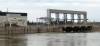

Advertisement Advertise With Us