

Bomb-shelter visits now part of daily routine for ex-Winnipegger living in Tel Aviv

Advertisement
Read this article for free:
or
Already have an account? Log in here »
To continue reading, please subscribe:

Digital Subscription
One year of digital access for only $205*
- Enjoy unlimited reading on winnipegfreepress.com
- Read the E-Edition, our digital replica newspaper
- Access News Break, our award-winning app
- Play interactive puzzles
*First annual payment billed as $205.00 + GST for one year. This annual subscription will automatically renew at $233.00 + GST every 52 weeks (10% off the regular annual price of $259.35). Offer available to new and qualified returning subscribers only. Cancel any time.
To continue reading, please subscribe:
Add Free Press access to your Brandon Sun subscription for only an additional
$1 for the first 4 weeks*
- Enjoy unlimited reading on winnipegfreepress.com
- Read the E-Edition, our digital replica newspaper
- Access News Break, our award-winning app
- Play interactive puzzles
*Your next Brandon Sun subscription payment will increase by $1.00 and you will be charged $17.95 plus GST for four weeks. After four weeks, your payment will increase to $24.95 plus GST every four weeks.
Read unlimited articles for free today:
or
Already have an account? Log in here »
Hey there, time traveller!
This article was published 05/03/2026 (225 days ago), so information in it may no longer be current.
Howard Rypp has been in and out of bomb shelters in Tel Aviv up to 15 times a day since U.S. and Israeli air strikes against Iran triggered a new war in the Middle East Saturday.
Rypp, a theatre producer and filmmaker who grew up in Winnipeg, expressed hope that the war will end soon with as little death as possible, after another sleepless night in a major Israeli city targeted by Iranian ballistic missiles.
“I’m hoping that after all this, the world will be in a better place,” he said Thursday. “I just hope it won’t be weeks, that it will be days that it will be over.”
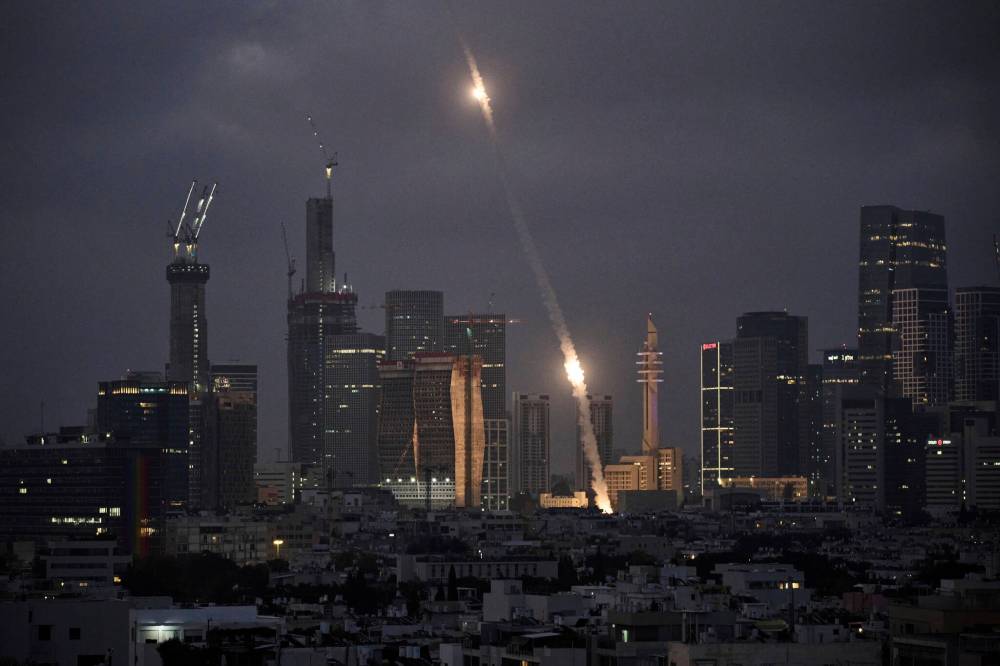
Israel’s Iron Dome air defense system fires to intercept projectiles over Tel Aviv, in 2025. (AP Photo/Leo Correa)
Residents of Tel Aviv, located on Israel’s Mediterranean coast, were tired and trying to find routine, while life was again disrupted by war, he said.
One person was killed and more than two dozen injured when an Iranian air strike destroyed a Tel Aviv apartment building Saturday.
Iran continued to fire missiles toward Israel Thursday, while schools remain closed and some workplaces reopened.
Ottawa has advised Canadians not to travel to several countries in the region, including Israel. Canadians in Israel were advised to leave at the earliest opportunity, when safe to do so.
Foreign Minister Anita Anand said Wednesday that 93 Canadians in Israel were seeking assistance.
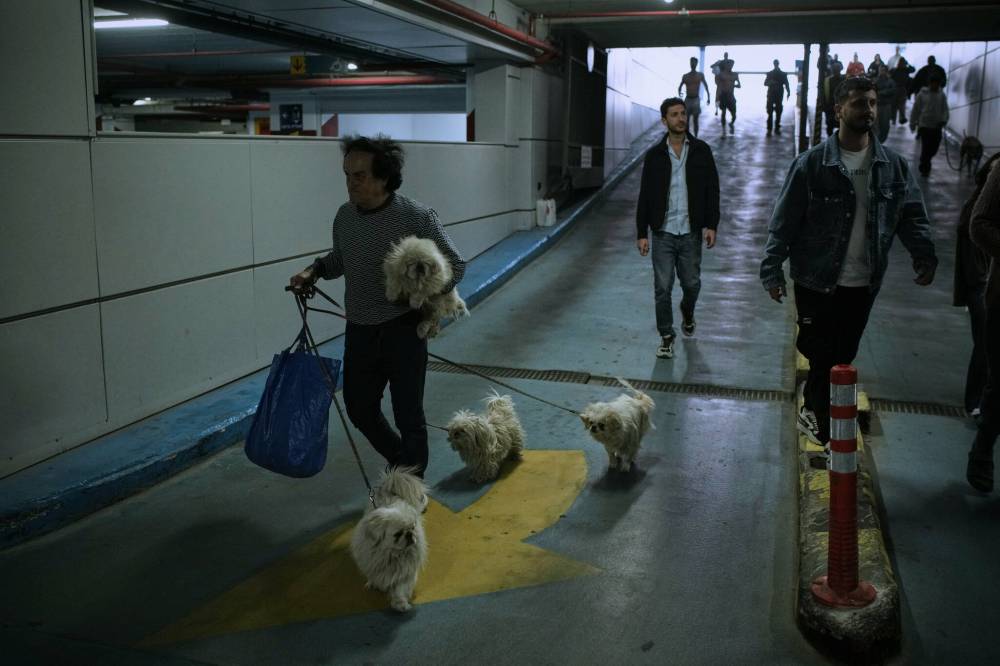
Rypp lost count of the number of times he had to retreat to the underground bomb shelter in his apartment building. He estimated he went into the shelter 12 to 15 times on the first day and night of the war.
He said he went to the shelter six or seven times Thursday before he was interviewed by the Free Press. The first visit was at 3 a.m., when cellphone alerts or warning sirens roused people from their sleep.
“Everyone doesn’t take it lightly,” Rypp said. “We knew that Iran had very dangerous capabilities with their ballistic missiles. If they hit, they can really destroy.”
He said people typically get a 10-minute warning, initially via cellphone alerts, after Israel’s defences detect missiles fired from Iran, giving people time to seek shelter.
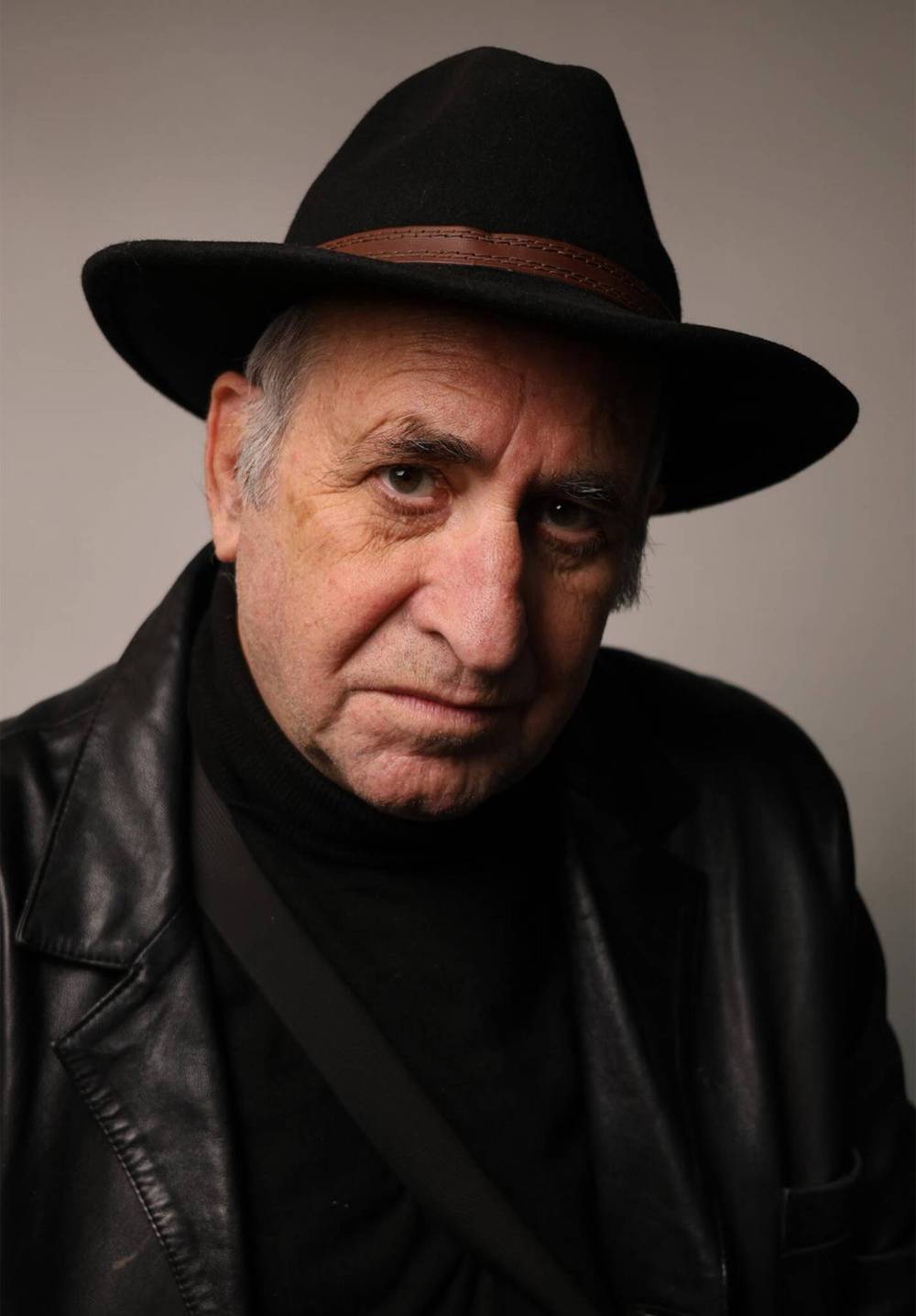
“When they first send the warning, they only know that a bomb has been sent from Iran. They don’t know exactly where it’s going to land,” said Rypp, who has lived in Israel since 1983. “After four to five minutes, they know. Tel Aviv is a major target, so we get a lot of the warnings, and a lot of the warnings are actually real.”
Warning sirens usually go off about 60-90 seconds before impact, Rypp said. Israel’s air defence system has intercepted rockets and drones.
“The problem is when we get the bombs sent from Lebanon, which is happening now, you don’t have as much time to prepare or get ready,” Rypp said. “You’ve got about a minute to get to shelter.”
The Iran-backed militant group Hezbollah, listed as a terrorist organization by Canada’s government, launched missiles and drones into Israel from Lebanon. Israel has retaliated with strikes of its own.
Rypp said cellphone alerts inform people when it is safe to emerge from shelters, anywhere from five to 30 minutes later.
Residents take their pets into shelters and parents have games or activities for their children. People pass the time by chatting or doing activities on their cellphones, Rypp said.
Rushing into bomb shelters is nothing new for Israelis. There is a long history of armed conflict in the region.
The latest war was triggered by strikes that U.S. President Donald Trump said were necessary to eliminate “imminent” threats from Iran and to stop the country’s regime from obtaining a nuclear weapon.
Trump encouraged Iranians to rise up and overthrow the regime that came to power during the 1979 Islamic Revolution.

The death of Supreme Leader Ayatollah Ali Khamenei, who was killed in an air strike in Tehran Saturday, was celebrated in Iran and by members of the Iranian diaspora in Manitoba.
Rights groups said an Iranian government crackdown killed thousands of protesters and bystanders in the weeks leading up to the war.
Israelis hope to see the regime thrown out and Iranian people obtain freedom, Rypp said.
“We all believe that if this is successful and the regime is overthrown, it will be a real game-changer,” he said. “There won’t be as much terrorism in the world.”
chris.kitching@freepress.mb.ca
Chris Kitching is a general assignment reporter at the Free Press. He began his newspaper career in 2001, with stops in Winnipeg, Toronto and London, England, along the way. After returning to Winnipeg, he joined the Free Press in 2021, and now covers a little bit of everything for the newspaper. Read more about Chris.
Every piece of reporting Chris produces is reviewed by an editing team before it is posted online or published in print — part of the Free Press‘s tradition, since 1872, of producing reliable independent journalism. Read more about Free Press’s history and mandate, and learn how our newsroom operates.
Our newsroom depends on a growing audience of readers to power our journalism. If you are not a paid reader, please consider becoming a subscriber.
Our newsroom depends on its audience of readers to power our journalism. Thank you for your support.
Chris Kitching is a general assignment reporter at the Free Press. He began his newspaper career in 2001, with stops in Winnipeg, Toronto and London, England, along the way. After returning to Winnipeg, he joined the Free Press in 2021, and now covers a little bit of everything for the newspaper. Read more about Chris.
Every piece of reporting Chris produces is reviewed by an editing team before it is posted online or published in print — part of the Free Press‘s tradition, since 1872, of producing reliable independent journalism. Read more about Free Press’s history and mandate, and learn how our newsroom operates.
Our newsroom depends on a growing audience of readers to power our journalism. If you are not a paid reader, please consider becoming a subscriber.
Our newsroom depends on its audience of readers to power our journalism. Thank you for your support.
Advertisement Advertise With Us
Advertisement Advertise With Us