A failure to act Family says teen re-victimized by school’s lax response after reporting sexual assault
Read this article for free:
or
Already have an account? Log in here »
To continue reading, please subscribe:

Digital Subscription
One year of digital access for only $205*
- Enjoy unlimited reading on winnipegfreepress.com
- Read the E-Edition, our digital replica newspaper
- Access News Break, our award-winning app
- Play interactive puzzles
*First annual payment billed as $205.00 + GST for one year. This annual subscription will automatically renew at $233.00 + GST every 52 weeks (10% off the regular annual price of $259.35). Offer available to new and qualified returning subscribers only. Cancel any time.
To continue reading, please subscribe:
Add Free Press access to your Brandon Sun subscription for only an additional
$1 for the first 4 weeks*
- Enjoy unlimited reading on winnipegfreepress.com
- Read the E-Edition, our digital replica newspaper
- Access News Break, our award-winning app
- Play interactive puzzles
*Your next Brandon Sun subscription payment will increase by $1.00 and you will be charged $17.95 plus GST for four weeks. After four weeks, your payment will increase to $24.95 plus GST every four weeks.
Read unlimited articles for free today:
or
Already have an account? Log in here »
Hey there, time traveller!
This article was published 20/03/2026 (190 days ago), so information in it may no longer be current.
With its soft lighting and cosy couches, the classroom hangout at the River East-Transcona School Division high school is supposed to be a safe space for students to decompress.
But that changed one Monday in January.
That day, after the supervising teacher had left the room, a teenage girl says she was sitting on the floor with her back against a love seat when a much larger male student sat down on the cushion directly behind her, boxing her in between his knees.
She said he reached over and forced his hands beneath her shirt, grabbing her breasts for several minutes while she froze and did not speak or move.
“I was too scared to say anything.”
A month later, sitting in her living room surrounded by family members, the girl recounts what happened.
The alleged assault was traumatic enough, the girl and her family say, but the response from school administrators and senior division staff felt like betrayal.
When the girl told school staff what occurred, administrators did the minimum they were required to do by law: they called the parents. The girl’s family says that’s where the school’s duty of care ended. They say staff didn’t create a safety plan for the girl, or offer meaningful support, and seemed unsympathetic to her plight.
“Everything they did was wrong. There’s no other way to say it.”
Two days after serving a suspension, the boy — despite having admitted to wrongdoing in a Snapchat message to the girl — was back in school, sharing a classroom and hallways with her.
It wasn’t until 11 days later when police charged him with sexual assault under the Youth Criminal Justice Act (YCJA) and issued a no-contact order that formal steps to keep the students separated kicked in.
The family says they felt the school treated the allegation like a routine disciplinary matter by downplaying the threat, putting the rights of the accused ahead of those of the victim, and ultimately making the girl responsible for her own safety.
“The school has a duty of care for the children when the parents aren’t there,” the mother said. “Everything they did was wrong. There’s no other way to say it.”
When the assault ended — interrupted when another student walked into the room — the girl fled.
She went to her locker, grabbed her jacket and sought refuge in a different classroom where she confided in two friends. They urged her to report the incident to the school’s guidance counsellor, who then informed the principal. That resulted in a call to the girl’s mother.
“The call was simple: there was an assault, and they aren’t able to share any names, so I didn’t know who it was that did something to her,” the mother said, her voice cracking with emotion. “They didn’t say anything about a sexual assault, just that it was an assault. After that, I start freaking out.”
The accused’s identity is protected by the YCJA.
Neither Winnipeg police nor Child and Family Services were notified by school staff that day. Instead, the principal told the family the school would deal with it internally, the mother said.
Marvin Zuker, a professor at the University of Toronto, education law expert and former judge, called that sequence of events a critical breach when it comes to the legal standard of care.
Zuker said the initial lack of supervision, where a teacher had reportedly left the room, set the stage for negligence and potentially criminal behaviour. The subsequent failure to notify law enforcement or child-welfare authorities compounded the liability.
“Historically, if there is one area that has lent itself to negligence, in an educational context, of course, it’s a lack of supervision,” Zuker said. “The moment that teacher walked out of that classroom, there’s no supervision.”
“The moment that teacher walked out of that classroom, there’s no supervision.”
While school administrators may argue that provincial legislation only mandates notifying parents in peer-to-peer incidents, national child-protection experts disagree.
MIKAELA MACKENZIE / FREE PRESS Noni Classen, with the Canadian Centre for Child Protection, says a safety plan should have kicked in immediately after the incident was reported.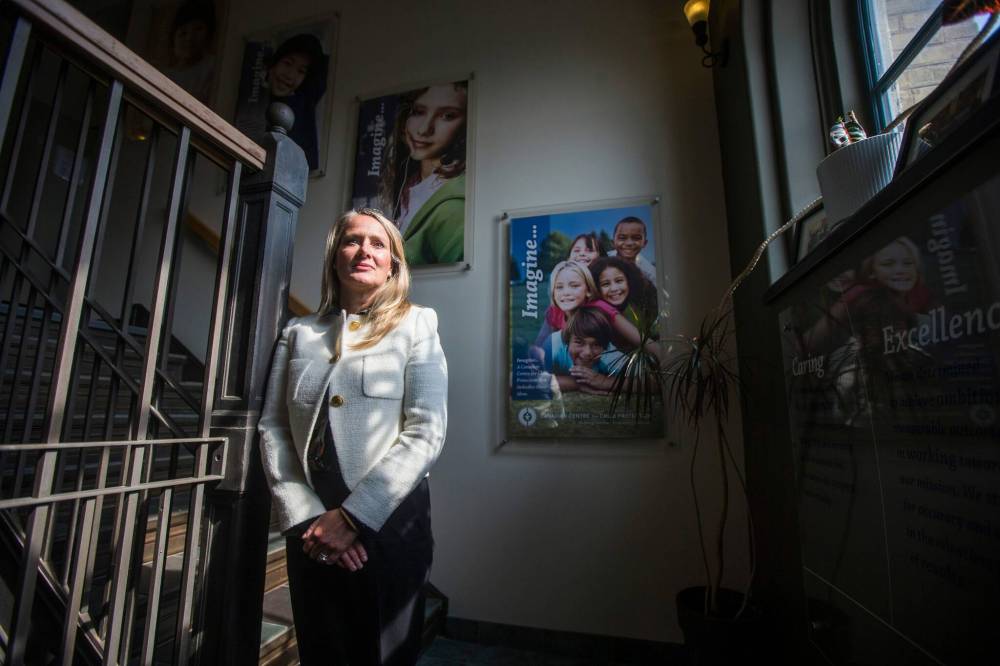
Noni Classen, director of education at the Canadian Centre for Child Protection, said that reading of the law ignores the reality of the trauma that occurred and the inherent risks.
“This is now a child in need of protection,” Classen said. “Based on their code of conduct, their safety planning should kick in immediately — that they would suspend the individual until they determine what’s going on with the person who’s unsafe and the person who’s been perpetrating the harm, and then they decide what’s going to be the best pathway forward.”
She added: “But over and over and over again, what I see is these kids just placed back into the school.”
“Over and over and over again, what I see is these kids just placed back into the school.”
Classen said the school should have immediately engaged outside authorities, regardless of whether they were unsure if the incident crossed the threshold for mandatory reporting.
“In practice, CFS would still want a call on this for intel, in case there’s something else they have on this child,” she said.
Instead, the school suspended the boy for the remainder of the afternoon and two subsequent days. Before he left, he was allowed to go to the gym unescorted to retrieve his belongings while the girl was in phys-ed class.
Two days later, he was back in the same classroom, even though there was no school safety plan in place, the family said.
“She’s been completely abandoned,” Classen said. “I don’t understand why the school would consider this a reasonable response to such a serious situation. I don’t understand it at all.”
Tensions between the school and the girl’s family began to build the day after the alleged assault.
That morning, the mother called the school to speak with the guidance counsellor to find out more about what her daughter had revealed. Instead, she received a phone call at the end of the day from the principal.
In that conversation, the mother was told the school was taking the incident seriously, but if the family wanted charges laid, she had to speak to the police herself.
The vice-principal called the next day to set up a meeting with the school’s resource officer, who is a member of the Winnipeg Police Service, and asked if the family wanted school staff present. The mother said yes, assuming they would be there as a matter of course.
Fearing the school was not being upfront, and concerned because communications were solely over the phone, the family started recording their interactions with school personnel to ensure there was a record of what was transpiring. (The recordings were provided to and reviewed by the Free Press.)
“I’m feeling terrified,” the mother said. “I am scared because I still don’t know what’s going on with the school at this point.”
During the arranged meeting — which also included the girl’s aunt and grandmother — the resource officer outlined the steps that could be taken. No one from school administration was present.
“Right away I ask, ‘Where’s the school on this?’” the girl’s grandmother said. “You would think they would want to be there for something as serious as this.”
After the officer described the differences between informal cautions, formal restorative justice and a criminal investigation, the family chose to pursue charges, ultimately deciding the alleged actions warranted the most consequential response.
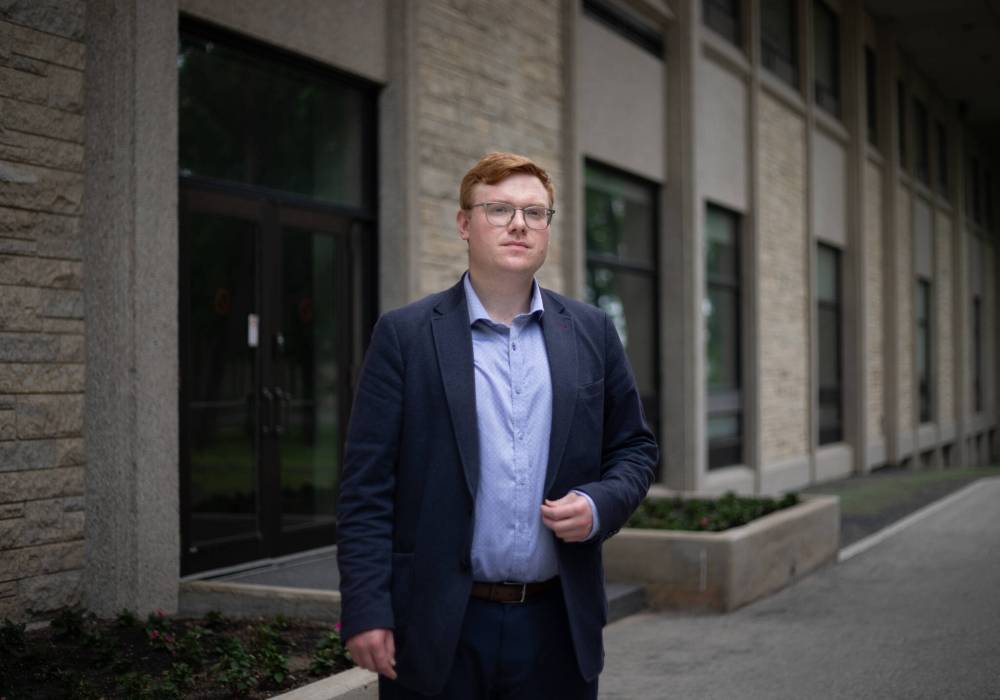
Brandon Trask, a law professor at the University of Manitoba and a former Crown attorney, said it’s not surprising when school officials are absent from such meetings, as they often believe privacy concerns and the YCJA can limit communication or delay steps during an active police investigation, but Trask said that is a misinterpretation of the law.
Trask said the YCJA explicitly permits the disclosure of information to “ensure the safety of staff, students or other persons,” and that schools have the legal authority to be present to act on police intelligence to protect the student.
Worried that the accused would be in the same gym class as her daughter the following week, the mother called the school to see what steps would be taken to ensure her child’s safety.
She said the principal assured her they shouldn’t be near each other, because one group of students would be outside while the other would be in the gym. Instead, bad weather forced both groups to remain indoors, and at one point the accused was close to her group, the girl said.
“I don’t want my kid together with this kid… Why is that so hard to do?”
“I don’t want my kid together with this kid…,” the mother said. “Why is that so hard to do?”
She said when the family questioned the failure to keep the students separated, the school cited the boy’s “right to a public education” and said the girl had the option to leave if she felt uncomfortable.
Classen said the burden of safety should never have been placed on the girl.
“Asking a child if she’s OK and also telling her that she’s the one that could leave the classroom if she feels unsafe, is insanity,” Classen said. “That is not trauma-informed by any measure.”
Landon Sanderson, a recent high school graduate who has worked with Children First Canada as a student advocate, echoed that assessment, saying putting the onus on the victim to navigate a safe space sends a devastating message: “That her voice doesn’t matter and that her lived experience and her story is not valid enough to change anything,” he said.
Feeling like they were getting nowhere with the school, the girl’s aunt took the family’s concerns directly to school division leadership. On Jan. 29 — 10 days after the incident — she spoke with assistant superintendent Cara Colorado.
In a recorded phone call, the aunt detailed what the family viewed as significant breakdowns — zero communication regarding a safety plan, the administration’s absence from the police meeting, and the fact that the victim was forced to share a gym class with the accused — and questioned what message it sent to students.
“The girls are learning at 15, 16, 17 years old, that if you come forward to the school with a complaint about a boy, they don’t protect you,” the aunt told Colorado.
“The girls are learning… that if you come forward to the school with a complaint about a boy, they don’t protect you.”
Colorado acknowledged the girl was re-victimized when the boy was allowed back into her class, and that an administrator should have attended the meeting with the police, the aunt said.
When the conversation turned to protecting the girl, Colorado described how administrators would typically build a comprehensive safety plan that involved looking at class schedules and working out a timeline to eliminate interactions, the aunt said.
When pressed as to why no such steps were taken for her niece, Colorado admitted there was a gap but said she would ask the school to “put in a preliminary safety plan, to rough one out,” the aunt said.
MIKAELA MACKENZIE / FREE PRESS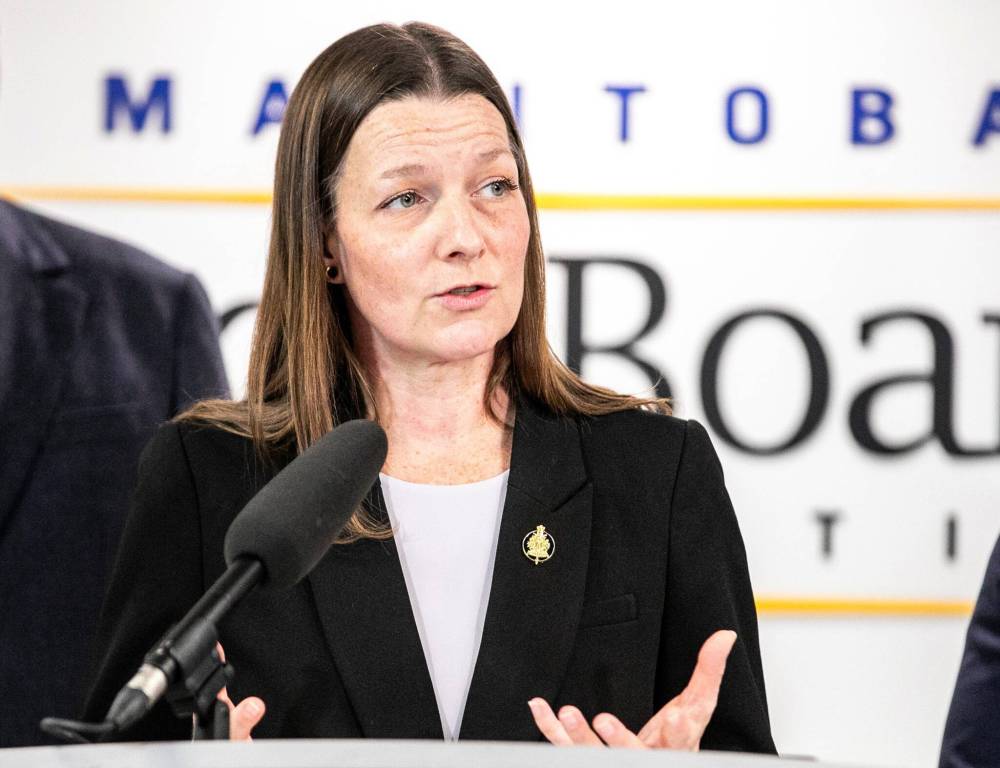
Manitoba Education Minister Tracy Schmidt said in an interview that establishing a formal safety plan is not optional, nor is it something to be figured out on the fly. She noted it is a “legislative requirement” for divisions to have policies dictating exactly how those plans are put into place and how families are engaged.
“We think that that’s a very important part of the process to make sure that students can feel safe at school after an incident like this,” Schmidt said, speaking generally about serious incidents that occur within schools, such as ones requiring police intervention. Schmidt said she was aware of the assault allegations at a RETSD school but is unable to comment on its specifics as it involves minors and is before the courts.
Classen said there is no way a school’s protective measures should be informal or delayed as in this case, already by 10 days.
“A safety plan is a formal, structured safety response that is created with the family, with the child and with everyone that needs to be involved, that are going to be part of adjusting schedules, supervision, separation of students, and making sure also that she has support when she needs it, and understands where to go and how to access it,” Classen said. “People then need to be checking in.”
Only when police arrested the accused the next day and issued the no-contact order did the school initiate a “managed move” to have him removed from the gym class.
Legal experts argue that by waiting for the police to respond, the school division dangerously outsourced its duty of care.
Law professor Trask said while police and courts require proof beyond a reasonable doubt to secure a criminal conviction, the school system has a significantly lower threshold for enacting safety measures.
“Even an allegation needs to be taken very seriously,” Trask said. “The school-related policies don’t have to wait for actions from the police and the criminal justice system in order to take effect….
“Even if nothing ever gets to the point of criminal charges or criminal findings of guilt, you still need to ensure the safety of students and staff.”
“Everybody’s entitled to an education… but that doesn’t mean no matter what you do, you get to go to school.”
Zuker, meanwhile, said the administration is flawed in believing the accused’s “right to a public education” justified his continued presence.
An accused’s right to education, the former judge said, does not supersede a school’s obligation to provide a safe learning environment, nor does it override a victim’s right to physical and emotional safety.
“Everybody’s entitled to an education,” Zuker said. “But that doesn’t mean no matter what you do, you get to go to school.”
Eighteen days after the incident, a meeting was held with school officials to establish a support and safety plan. It soon unravelled, which ramped up the family’s frustrations.
(The Free Press reviewed a recording of the meeting provided by the family.)
Sitting with the school’s principal and vice-principal, the girl’s mother, aunt and grandmother felt the administrators shifted blame, deflected responsibility and maintained they had done all they were required to do.
At one point, during a heated exchange, the administrators questioned the aunt’s and grandmother’s presence, saying they were only responsible for reporting to the mother.
“Our relationship is not with your family, it’s with you,” the principal told the mother. “It doesn’t matter what your family thinks; it’s irrelevant to me…. Hearing from the external family, that’s an important process, but we owe nothing to them.”
Then came what was a stunning admission for the family: the principal admitted that the school was “actually surprised” police were proceeding with charges, when none had been laid following what was considered a more serious recent incident at a nearby school.
“It was something that we thought, there was no question, this should have happened, and it did not move forward,” the principal told the family.
“The legal system is an interesting system, and they make decisions based on a variety of things we are not privy to.”
The family pressed the administration on what supports had been put in place for the girl and were told informal check-ins with a counsellor and the principal occurred. And they asked why the two students had been in the same class.
Ultimately, the administration said, the boy had the right to be present, and the girl, if she was feeling uncomfortable, had the option to leave. The safety plan, the principal said, boiled down to a gym teacher asking the girl at the start of the class if she wanted to go to another classroom.
That understanding contradicts the province’s expectations for student safety. Schmidt said victims must be kept at the centre of the process.
“When a student feels that harm has been inflicted upon them, our expectation is that the perpetrator of that harm would not be permitted to attend school until the safety of the victim can be assured,” Schmidt said.
For the victim’s mother, the administration’s logic made no sense.
“She shouldn’t be the one to be moved — she’s the victim,” the woman said during the meeting.
“She shouldn’t be the one to be moved; she’s the victim.”
Shortly after that Feb. 6 meeting, the mother received a message from the school’s guidance counsellor. The email started by noting the counsellor had checked in with the woman’s daughter and reaffirmed that the girl was “100 per cent innocent” and could “say no to anyone, anytime.”
The counsellor then wrote that she had spoken to the teenager about “having healthy boundaries with friends as well. Not touching their bodies without their consent.”
After the mother replied, reminding of the agreed-upon policy to stick to email for communication — a protocol established during the meeting with school administration — the counsellor elaborated. She claimed another student had felt uncomfortable after the woman’s daughter allegedly touched her hips and complimented her.
The counsellor stated she used the opportunity to remind the daughter “to ask permission before touching others” and to respect “personal boundaries.”
For the family, the emails were insulting. They had no idea what incident was being referred to, noting the girl was also unaware of these claims, and administrators refused to provide further details.
“I was speechless,” the mother said. “I had no idea what to say.”
Later, when the Free Press presented a timeline of events, the school division maintained it had handled the case appropriately.
In a statement, RETSD superintendent Sandra Herbst said while the division can’t comment specifically on confidential student matters or cases before the courts, its first responsibility is for a student’s safety, dignity and well-being.
“When serious allegations arise, our schools’ immediate focus is to stabilize safety,” the statement says.
MIKE DEAL / FREE PRESS RETSD superintendent Sandra Herbst defended the division’s handling of the family’s case.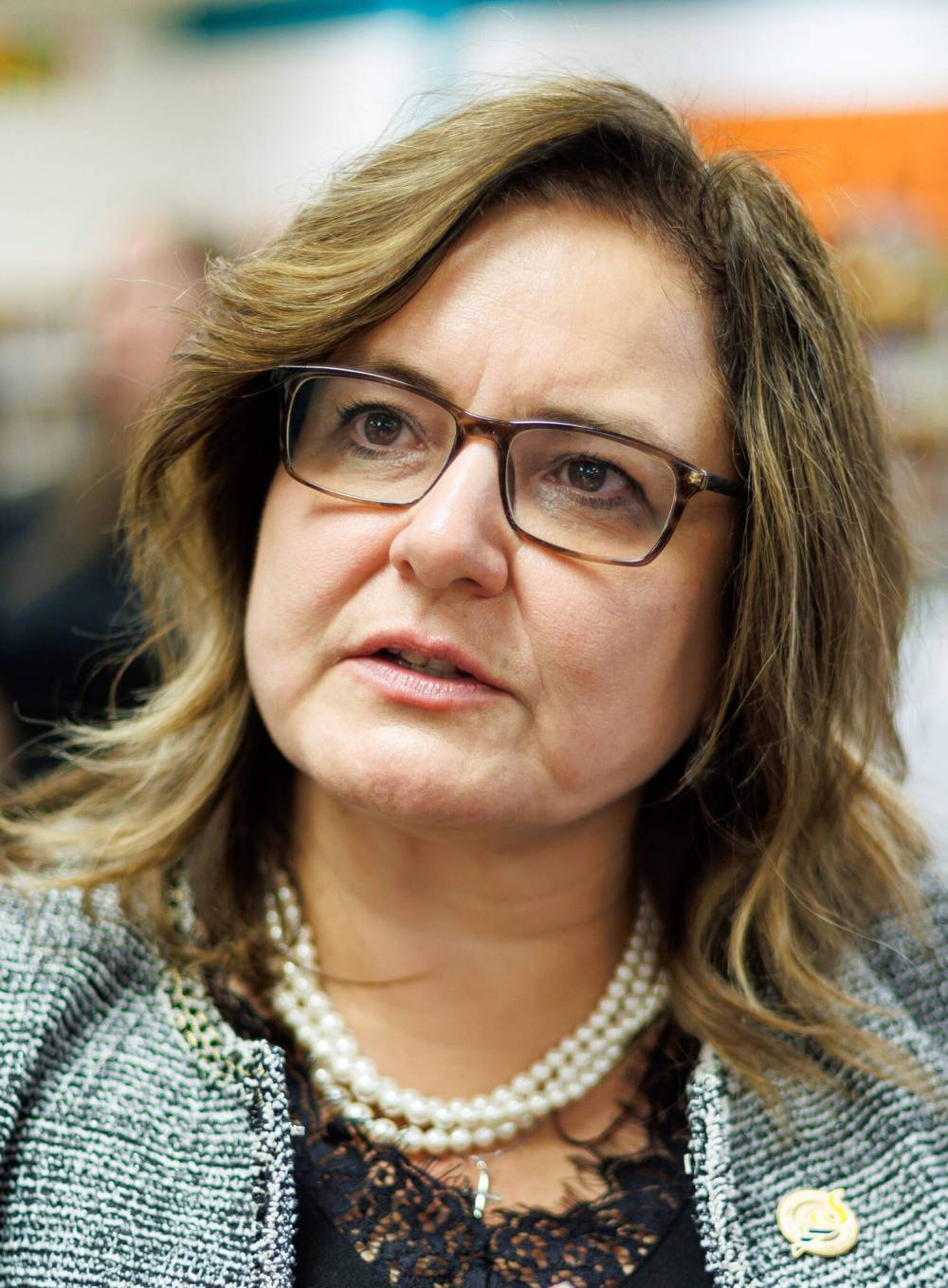
Herbst outlined the division’s procedures, stating that schools implement risk-informed strategies, establish safety-planning protocols in consultation with victims and their families, and offer trauma-informed supports through social workers, psychologists and onsite mental-health therapists.
She said legal and court orders are implemented without delay, safety plans are reviewed and revised to keep student safety at the forefront, and schools continue to communicate with families as needed.
“The Division can confirm that these supports were offered and any court orders were followed,” she said in the statement, which contradicted the assistant superintendent’s comment to the aunt that a safety plan still needed to be “roughed out” 10 days after the incident.
According to Manitoba’s education minister, waiting for the criminal justice system to force a separation is unacceptable. Schmidt clarified that schools have an independent duty to protect vulnerable youth, stating it is “absolutely not” her expectation that administrations wait for a police threshold to be met before enacting administrative safety measures such as student transfers.
“The Division can confirm that these supports were offered and any court orders were followed.”
“Our legislation is very clear,” Schmidt said. “The duty is on the schools to act immediately and swiftly… the adults in that system always have to err on the side of caution, always have to err on the side of immediate response. It should never be treated as a disciplinary matter. Every single child has the right to feel safe in school.”
The family denied Herbst’s assertion that clinicians and psychologists were immediately provided, saying trying to access those supports was another nightmare.
It was not until March 3 — six weeks after the incident — that the family finally sat down with a division social worker.
Instead of discussing a trauma-informed care plan, the aunt described the meeting as a “game of cat and mouse,” with the division representative appearing more interested in fishing for information regarding the family’s legal strategy.
Most distressingly, the social worker hinted the family would likely have to navigate the system through a family doctor and pay for psychological services themselves.
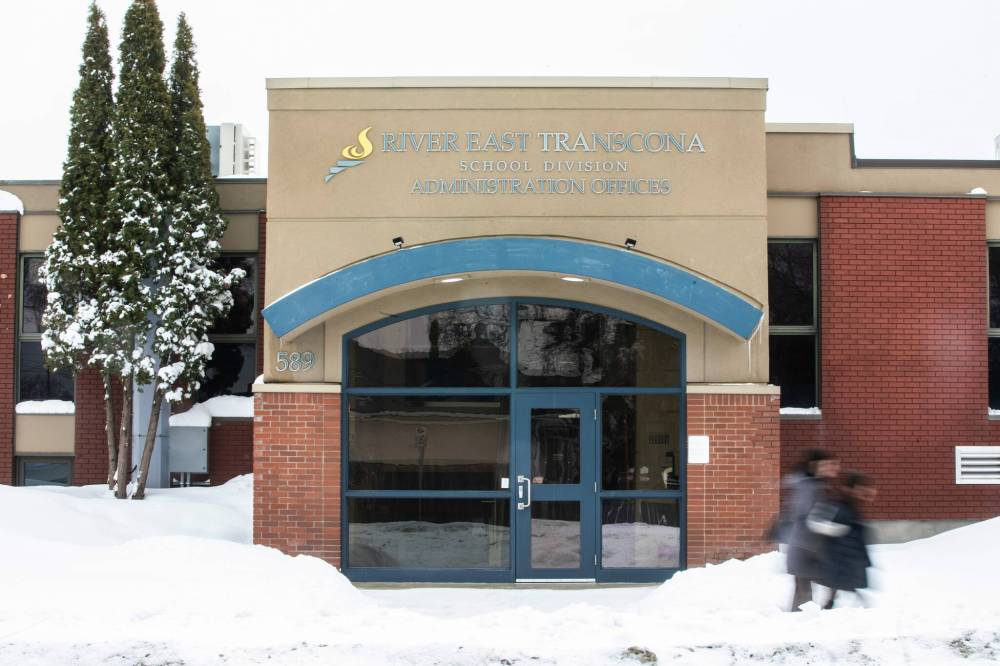
The family said they were exhausted by the school’s delays, defensive posturing and empty promises, and ultimately decided to abandon the school’s support system entirely.
By mid-March, they had cut off communication with the school regarding therapy.
They’ve now turned to the Winnipeg police victim services unit to try and get the girl the care they believe she desperately needs.
The Free Press’s reporting on misconduct in schools is part of an ongoing series. Please email any tips or your thoughts to: classroom.confidential@freepress.mb.ca
jeff.hamilton@freepress.mb.ca

Jeff Hamilton
Multimedia producer
Jeff Hamilton joined the Free Press newsroom in 2015, reporting on the sports and investigative beats until he left the Free Press in July 2026.
Every piece of reporting Jeff produced was reviewed by an editing team before it was posted online or published in print — part of the Free Press‘s tradition, since 1872, of producing reliable independent journalism. Read more about Free Press’s history and mandate, and learn how our newsroom operates.
Our newsroom depends on a growing audience of readers to power our journalism. If you are not a paid reader, please consider becoming a subscriber.
Our newsroom depends on its audience of readers to power our journalism. Thank you for your support.
Related Articles
New teacher commissioner vows to work in province









History
Updated on Monday, March 23, 2026 12:59 PM CDT: Corrects reference to Children First Canada